老松神社, Shinto shrine in Japan
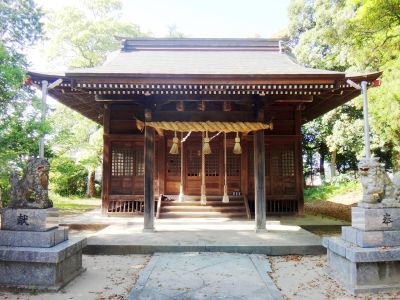
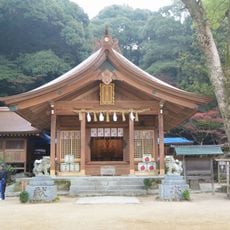
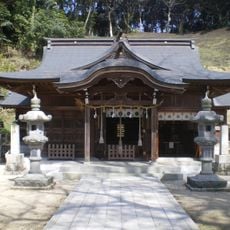
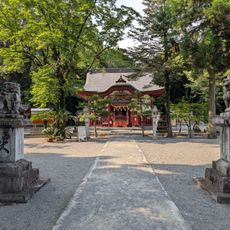
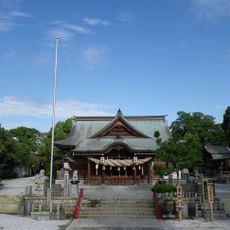
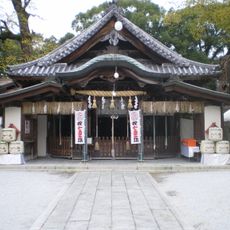
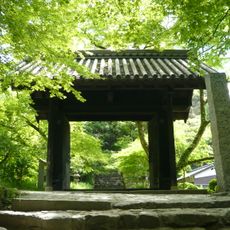
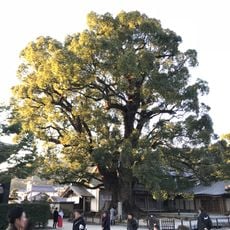
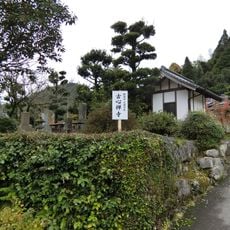
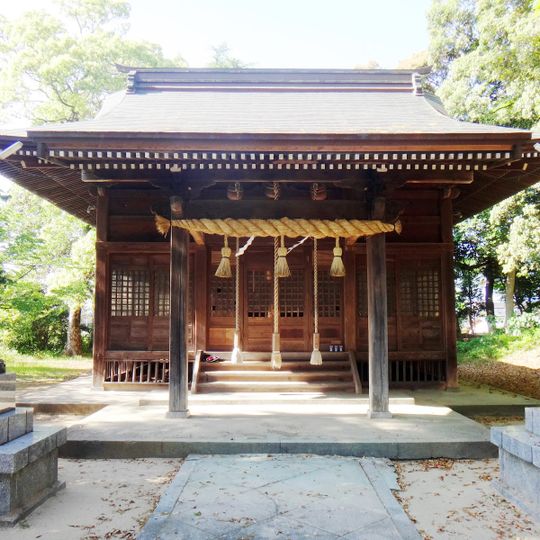
Oimatsu Shrine in Keisen has a worship hall (haiden), a main sanctuary (honden), and a torii gate, with subsidiary shrines to Sugawara, Ōyamazumi, and Kōtama. The shrine's former rank was a village shrine (sonsha).
According to shrine tradition, the site was where Ōkuninushi and Sukunabikona stayed during their travels; in the reign of Emperor Suinin, the Haji clan founded a branch of Izumo Taisha here. In 1024, when Haji District became a manor of Anrakuji (Dazaifu Tenmangū), Sugawara no Michizane was jointly enshrined and the name changed to Oimatsu Daimyōjin. In 1587 Toyotomi Hideyoshi confiscated its lands for siding with Akizuki Taneshige.
The shrine's name changed from Haji-miya to Oimatsu Daimyojin in 1024, when Haji-go became a shoen of Anrakuji (Dazaifu Tenmangu) and Sugawara no Michizane was jointly enshrined. The April and September reisai feature the Haji no Shishimai, a Fukuoka Prefecture intangible folk cultural property begun in 1328 and counted among the roots of lion dances in the prefecture. Uekami and Shimoji districts alternate yearly, each with its own dance: Uekami vigorous and forceful, Shimoji graceful with a wabi quality.
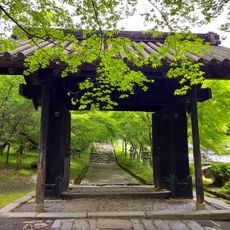
Access is by Nishitetsu bus to the Shimohaji stop, from which the shrine is a 10-minute walk; by car it is about 15 minutes from Keisen Station on the JR Fukuhoku Yutaka Line. The shrine stands in the former Haji village area of Keisen, and the approach passes through the grounds' torii.
The shrine hosts a distinctive form of Shishi-mai lion dance performed twice yearly that splits into two regional styles: the Uekami version is lively and energetic with strong movements, while the Shimoji version displays a more graceful and measured approach. This performance tradition extends back more than 700 years, making it among the earliest lion dances documented in Fukuoka Prefecture.
The community of curious travelers
AroundUs brings together thousands of curated places, local tips, and hidden gems, enriched daily by 95,336 contributors worldwide.