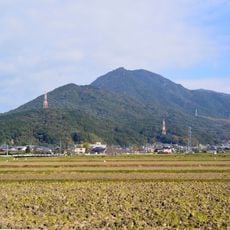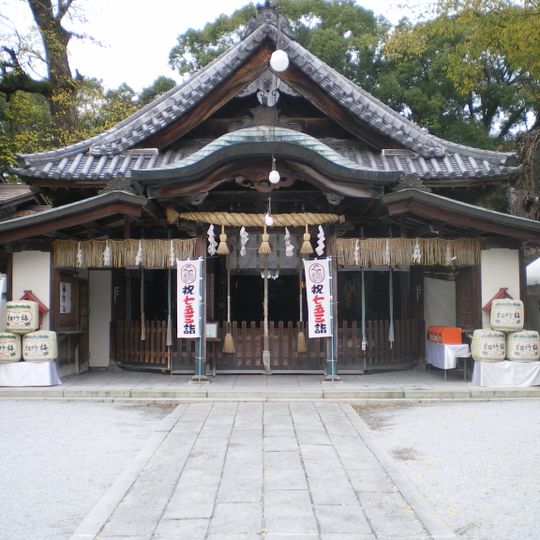
Nōso-hachimangū, Shinto shrine in Japan
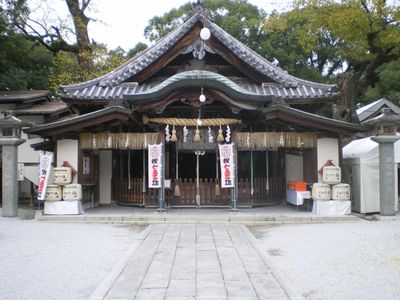
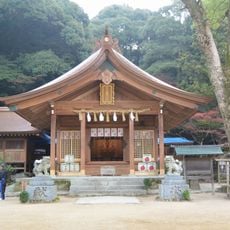
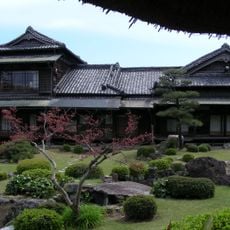
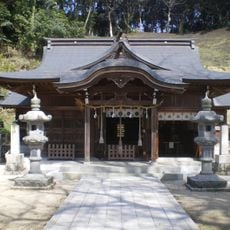
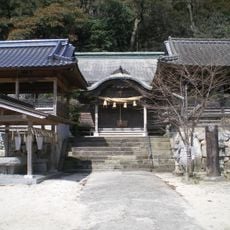
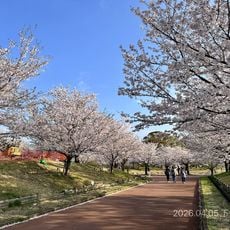
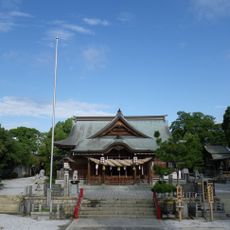
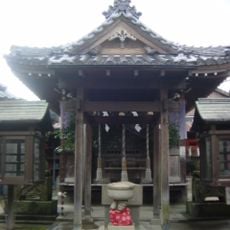
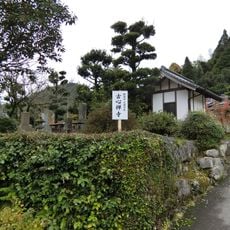
Nōso-hachimangū is a Shinto shrine in Iizuka set on quiet, tree-filled grounds with simple wooden buildings and traditional architecture. The main deities enshrined are Emperor Ōjin, Emperor Chūai, and Empress Jingū, whom visitors honor while seeking blessings for their families and health.
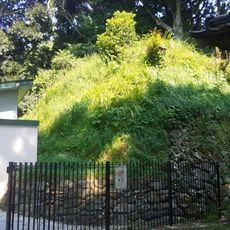
According to legend, the shrine was founded when Empress Jingū built an altar in a nearby forest after her foreign campaigns, with locals believing the name Iizuka derives from this event. By the 14th century, some of the structures visible today were already in place, and in the early 20th century it received official recognition as a Prefectural Shrine.
The shrine is dedicated to Hachiman, a kami revered as a protector of warriors and guardian of communities. Visitors notice offerings and small statues placed by local people, reflecting how the shrine remains woven into their daily spiritual practices and family customs.
Visitors should enter through the torii gate and bow while walking to the main hall as a sign of respect. Access to the grounds is free, and visitors experience the most activity during monthly festivals, especially on the first day of each month at Tsukinamisai or during seasonal celebrations.
The shrine is known for its monthly Tsukinamisai ritual held on the first day of each month, where visitors come to give thanks and make wishes for the coming month. A special highlight is the June Nagoshinoharae ceremony, where a large straw ring called Chinowa is used in a cleansing ritual that visitors pass through to wash away misfortune.
The community of curious travelers
AroundUs brings together thousands of curated places, local tips, and hidden gems, enriched daily by 92,019 contributors worldwide.