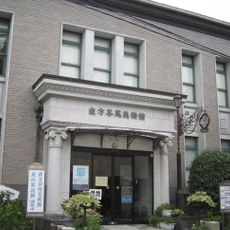
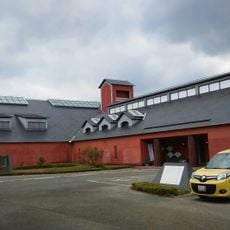
Tagawa City Museum of Art, Art museum in Tagawa, Japan
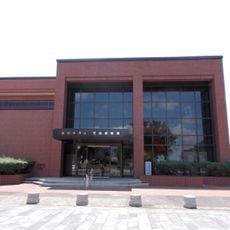
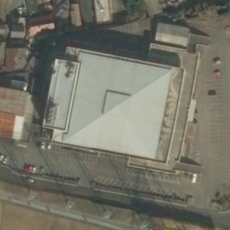
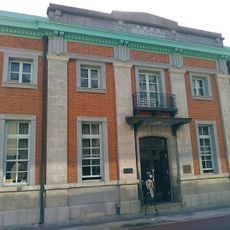
The Tagawa City Museum of Art is an art museum in Tagawa housed in a modern building with multiple gallery spaces for both permanent collections and rotating exhibitions. The spaces are arranged to let visitors explore different art forms and current artistic directions side by side.
The museum opened in 1991 and was the first major art museum in the Chikuho region of Fukuoka Prefecture. Its founding marked a turning point for the area's cultural infrastructure.
The museum features regular exhibitions of artists from the region and shapes the local art scene through its program. Visitors encounter contemporary Japanese artworks that have a connection to the community here.
The museum stands in the Tagawa cultural area next to the Tagawa City Library and a small park. From Tagawa-Ita Station it is a 17-minute walk (1.4 km), from Oyabu Station 16 minutes (1.3 km); buses stop at "Bijutsukan-mae", 3 minutes away. By car, take the Kokura-minami interchange of the Kyushu Expressway (about 22 km) or the Yukuhashi interchange of the Higashikyushu Expressway (17 km).
The museum's collection includes works by artists with ties to the region, among them Akio Nomiyama's "Boku no Umareta Kawa Onga", Shigeo Tachibana's "Shuraku (Puebla)", Taiga Tatsuishi's "Showa Suteki Daiteki", Makoto Matsunaga's "Rights of Humankind" and Tadashi Kawamata's "COALMINE TAGAWA PLAN9". The Kawamata piece takes its title from the coalfields that shaped Chikuho.
The community of curious travelers
AroundUs brings together thousands of curated places, local tips, and hidden gems, enriched daily by 94,830 contributors worldwide.