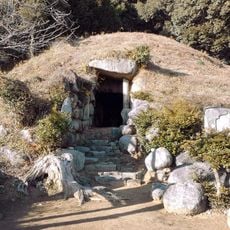
Fūji-Hachiman-gū, Shinto shrine in Japan
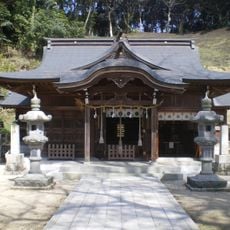
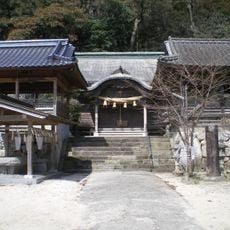
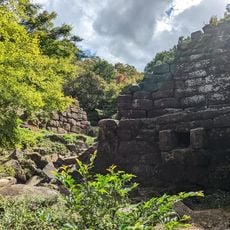
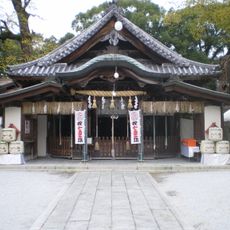
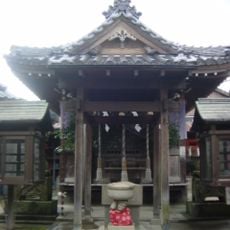
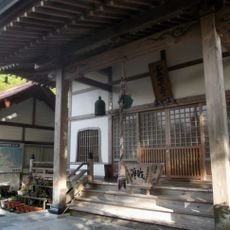
Fūji-Hachiman-gū is a Shinto shrine in Tagawa, Fukuoka Prefecture, standing on Miyayama (Takawayama) hill directly in front of Tagawa-Ida Station. It enshrines six deities: Ōjin, Chūai, Jingū, Watatsumi, Toyotama-hime and Tamayori-hime. The grounds include a main hall, subsidiary shrines such as Gion-sha and Inari-sha, and a large stone at the approach entrance known as the stone where Empress Jingū sat.
Originally called Ida Ōkami and dedicated to the sea deity Watatsumi, the shrine was founded in 204 and its first hall built in 814, when the monk Saichō's prayers ended a drought. In 861 the Hachiman deity was invited from Usa, and in 1688 the lord Ogasawara granted the name Fūji-Hachiman-gū.
This shrine serves as a gathering place where the local community reinforces shared traditions through regular festivals and ceremonies. Families come together during these events to participate in rituals rooted in their customs, making it a living center of cultural practice rather than just a historical monument.
The shrine is located near Tagawa-Ida Station and is easily accessible by train. The roads around the shrine are narrow and parking can be limited, so it is advisable to plan ahead during busy festival times and to visit outside peak hours for a more relaxed experience.
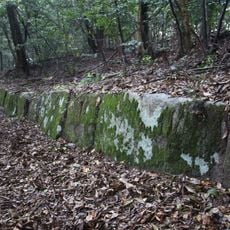
The shrine's annual Kawawatari Shinkō-sai, held on the third Saturday and Sunday of May, was the first item designated a Fukuoka Prefecture intangible folk cultural property and counts among the five great festivals of Fukuoka. A large boulder at the approach entrance is called the Kōgō-gū Empress Jingū resting stone: legend says she sat on it and prayed during a storm on her return from Korea.
The community of curious travelers
AroundUs brings together thousands of curated places, local tips, and hidden gems, enriched daily by 94,232 contributors worldwide.