Kin-gū, Shinto shrine in Japan
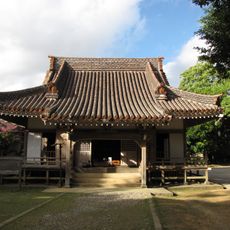
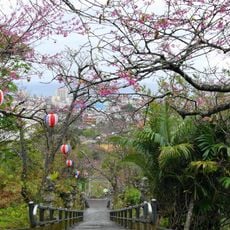
Kin-gū is a small Shinto shrine in the town of Kin on Okinawa, marked by simple architecture and quiet surroundings. The site ranks among the Eight Shrines of Ryukyu and is dedicated to the goddess Izanami.
According to the Ryūkyū-koku yuraiki, the shrine originated in the 1530s–1550s, during the reign of King Shō Sei, when the monk Nisshū enshrined three statues he had carved in a limestone cave at Kin. It became one of the Eight Shrines of Ryukyu under the official shrine system, but had no resident priest: Kin Kannon-ji managed it and it received no stipend from the royal government. In 1879 it was ranked as an unranked shrine.
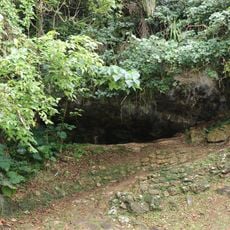
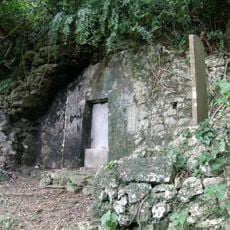
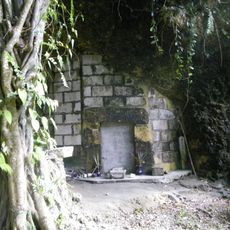
Kin-gū has no shrine building of its own; the cave itself, called Nisshū-dō or Eisake-dō, is the object of worship. Its keeper was the neighbouring Kinkan'on-ji, whose abbot managed the shrine, so no Shinto priest was ever appointed and the shrine received no stipend from the Ryukyu royal court.
The shrine is centrally located in Kin and easy to find with local signage. Visitors should maintain quiet and respectful behavior since the site holds religious significance.
The shrine has no separate worship hall: its kami is the limestone cave itself, called Nisshū-dō or Eisake-dō, where the monk Nisshū is said to have carved the three Kumano deities. In 1939 a revival survey recorded the shrine as a small unglazed clay model about 45 by 60 cm, 76 cm to the ridge.
The community of curious travelers
AroundUs brings together thousands of curated places, local tips, and hidden gems, enriched daily by 93,641 contributors worldwide.