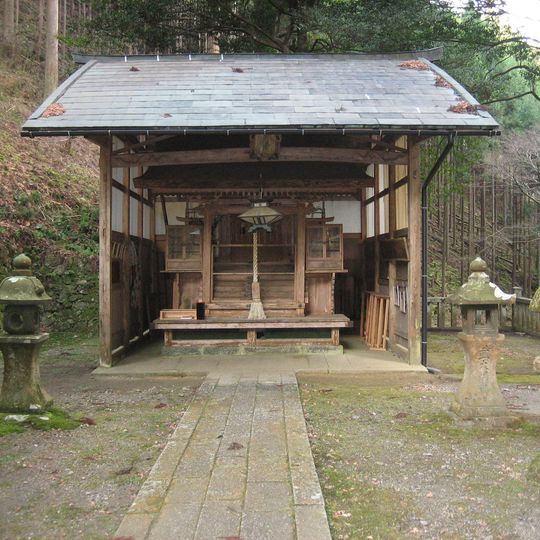
Tofu Shrine, Shinto shrine in Japan
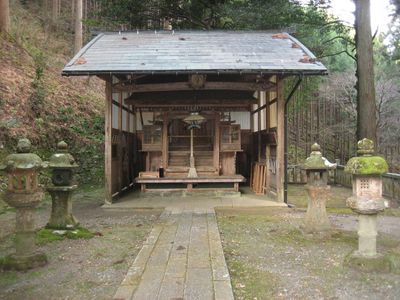
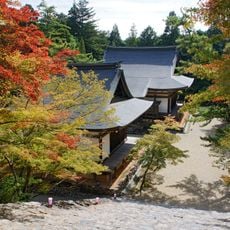
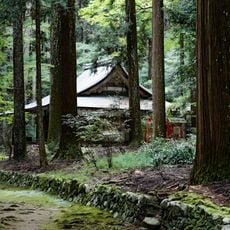
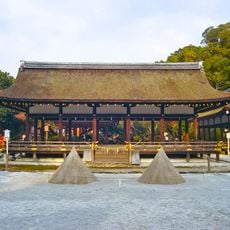
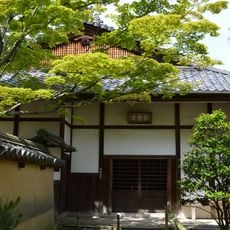
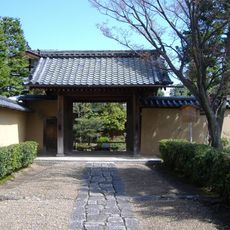
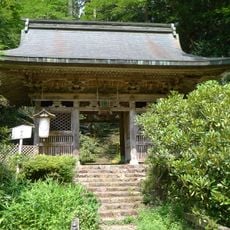
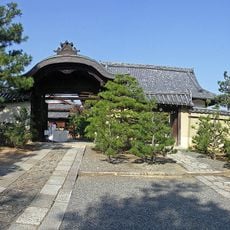
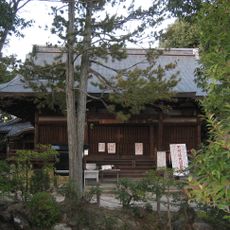
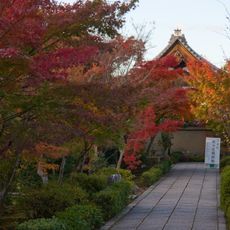
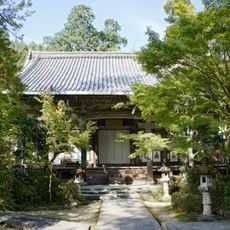
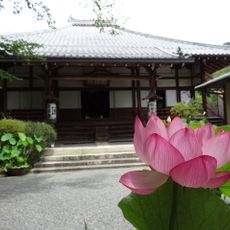
The Tofu Shrine is a shrine in Kita-ku with traditional architecture in the Ishi-no-ma-zukuri style, which links the worship hall, the offertory hall, and the main hall under an H-shaped roof. The main building houses the spirits of Izanami-no-Mikoto and Amaterasu-ōmikami and stands beside a remarkable ginkgo tree believed to be around 600 years old.
The shrine was most likely founded in the early 1300s during the Kamakura period and served as a center of local life. After major destruction during World War II, the shrine was rebuilt from the late 1950s through the early 1980s.
The shrine is deeply rooted in local life, with people coming to pray for happy marriages, healthy relationships, and safety. The community gathers during traditional festivals to celebrate and remember its roots in a simple, welcoming way.
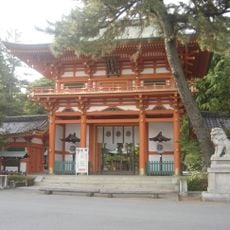
Visitors can walk from the north exit of Oji Station on the Keihin-Tōhoku Line, which takes just a few minutes, and entry is free. A small pavilion called a chōzuya near the entrance allows visitors to wash their hands and rinse their mouths before entering the main shrine area.
The shrine houses the rare Seki Shrine, dedicated to a spirit in charge of hair, which is uncommon in Japanese shrines. A remarkable ginkgo tree believed to be around 600 years old survived even the bombings of World War II, though its top was damaged.
The community of curious travelers
AroundUs brings together thousands of curated places, local tips, and hidden gems, enriched daily by 91,444 contributors worldwide.