Kengō-in, Buddhist temple in Takagamine, Japan
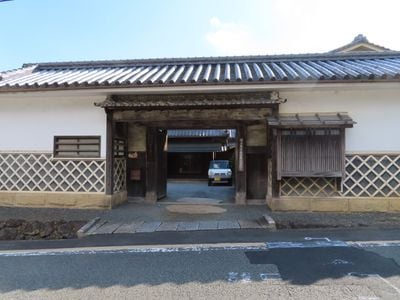
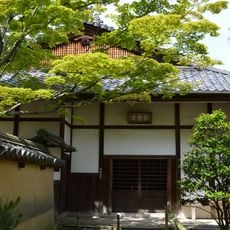
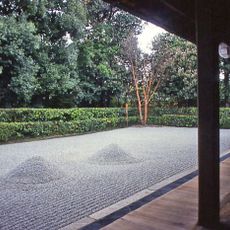
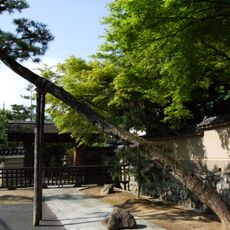
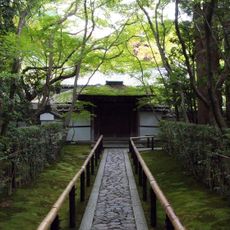
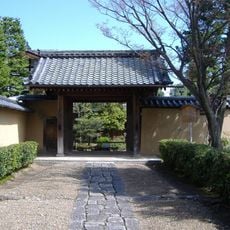
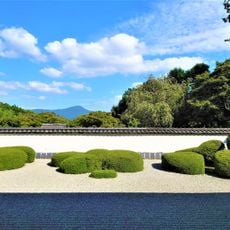
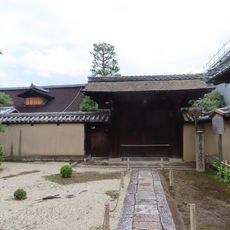
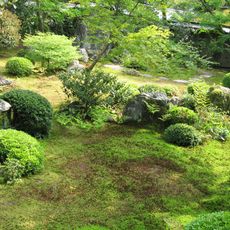
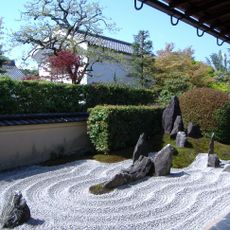
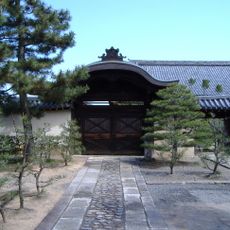
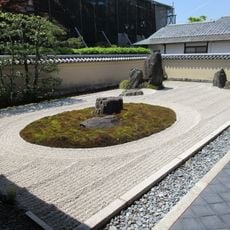
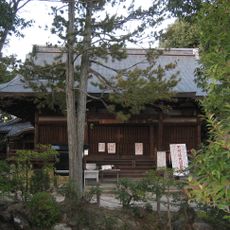
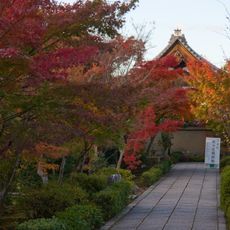
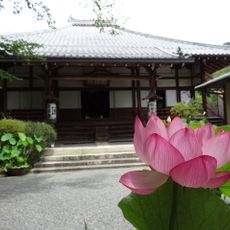
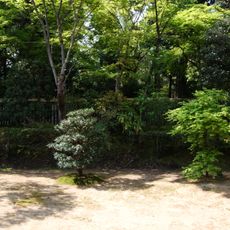
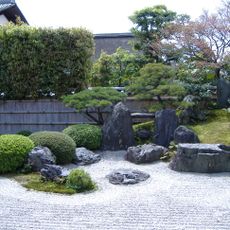
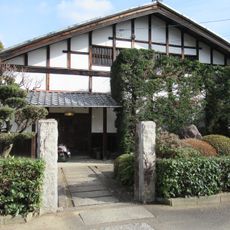
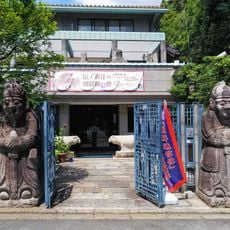
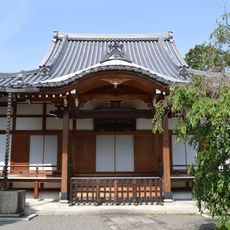
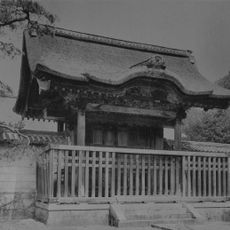
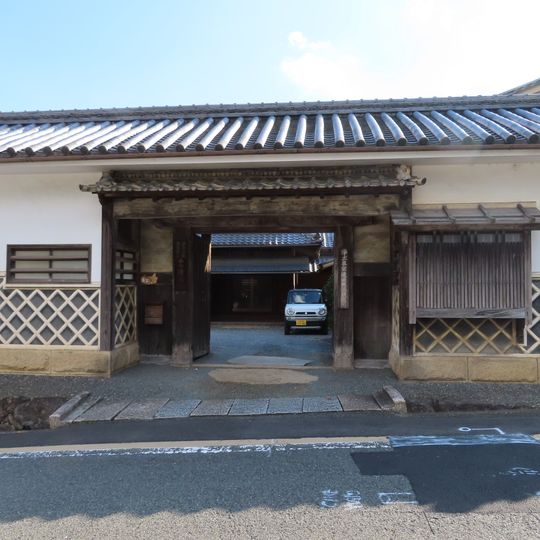
Kengō-in stands on Takagamine Hill in Kyoto's Kita-ku district and features traditional architectural elements alongside several tea houses set within its garden landscape. The grounds connect through pathways and green areas that link the main buildings and various structures.
The temple was established in 1201 through the efforts of Buddhist leader Shōkū and nobleman Kujō Michiie as a spiritual center in northern Kyoto. Over centuries, the site developed into a place that supported both religious practice and artistic endeavors.
The grounds contain several tea houses, including Taikyo-an, which preserves the architectural style and ceremonial practices rooted in Japanese tea traditions. Visitors can observe the spaces where these rituals continue to take place throughout the year.
The temple is accessible by taking the subway to Kitaoji Station and then boarding a bus to a nearby stop in northern Kyoto. Visitors should wear comfortable shoes since the grounds include pathways with slopes and steps throughout the site.
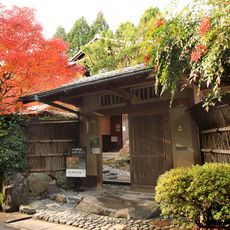
The site is known for its distinctive bamboo fences called Koetsu-gaki that border the grounds in a characteristic way. It also houses sculptures from the Kamakura period depicting Shaka Nyorai and Amida Nyorai, which are regarded as important artistic works.
The community of curious travelers
AroundUs brings together thousands of curated places, local tips, and hidden gems, enriched daily by 92,005 contributors worldwide.