Takahashi Shrine, Shinto shrine in Japan
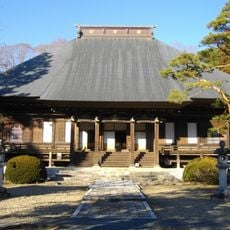
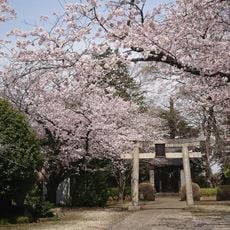
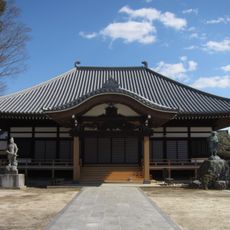
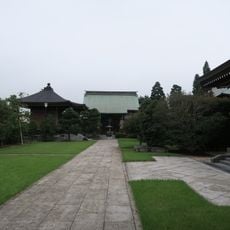
Takahashi Shrine is a small Shinto shrine in Oyama built in the traditional nagare-zukuri style with an extended roof that overhangs on one side, creating a porch area. The building stands on a raised platform and features a simple but carefully maintained honden, or main sanctuary, with naturally colored wooden beams and a gently curved roof that reflects careful craftsmanship.
According to shrine tradition, the site's origin lies in 111 CE, when Yamato Takeru invoked three deities here during his eastern campaign. In 684 the Takahashi clan, descendants of Iwakamutsukari, received the title Takahashi Asomi and enshrined their ancestor, giving the shrine its name. In 1029 a large carp was found when a well was dug; Emperor Go-Ichijo granted the shrine the title "Japan's foremost carp-prohibiting shrine."
The shrine's main deity is Iwakamutsukari-no-Mikoto, honoured as the ancestor of cooking, and cooks still worship at its four branch shrines in Gifu Prefecture. A local taboo follows a 1029 decree: parishioners do not eat carp, avoid dishes painted with carp, and do not raise carp streamers in May, which earned the shrine the name Carp Prohibition Shrine.
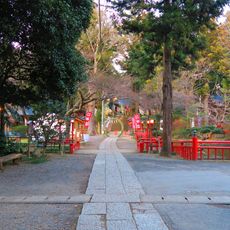
The shrine stands in Oyama, Tochigi Prefecture, and is reached by road rather than by rail; a car or local bus is the usual way. Purify hands and mouth at the temizuya before approaching the sanctuary. The four-sided chinowa is set up for the summer purification rite, when visitors walk through it in a single direction.
Since 1029, when a large carp surfaced while a well was dug and Emperor Go-Ichijō granted the shrine the plaque "Japan's Only Carp-Prohibited Shrine", parishioners here eat no carp, use no dishes painted with carp, and raise no carp streamers in May. The shrine is thus also known as the Carp Myōjin.
The community of curious travelers
AroundUs brings together thousands of curated places, local tips, and hidden gems, enriched daily by 94,369 contributors worldwide.