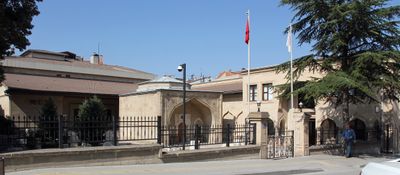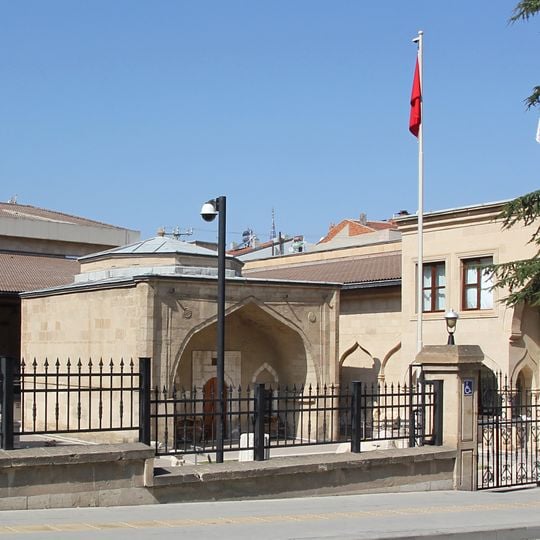
Burdur Archaeological Museum, Archaeological and ethnographic museum in Burdur, Turkey.
Burdur Archaeological Museum is an institution in Turkey that collects and displays archaeological finds and ethnographic objects from the region. The holdings are organized in several areas: a garden with outdoor sculptures, a hall dedicated to statues, and a hall for smaller monuments.
The museum began around the Pirkulzade Library from 1823, which was later converted into a museum building. It expanded in 2006 to accommodate and properly display discoveries from archaeological excavations in the surrounding area.
The museum displays marble statues of deities from Cremna and portrait heads of Roman emperors that show how people engaged with their religious beliefs. These artworks reveal the spiritual practices and artistic skills of those who lived in this region long ago.
The museum features a digital kiosk system that allows visitors to examine ancient city plans and archaeological finds from different angles and perspectives. This interactive setup helps you understand the displayed objects better and grasp their role in the ancient world.
The museum received in 2009 monumental portrait heads of emperors Hadrian and Marcus Aurelius that were discovered during excavations at Sagalassos in 2007 and 2008. These important finds came from one of the region's most significant ancient sites.
The community of curious travelers
AroundUs brings together thousands of curated places, local tips, and hidden gems, enriched daily by 90,864 contributors worldwide.