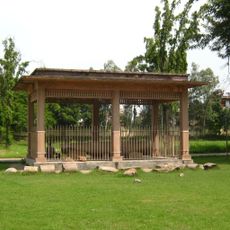
Bihar Province, Administrative province in Eastern India
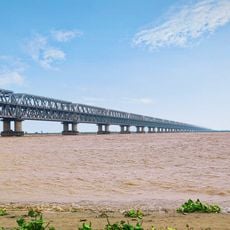
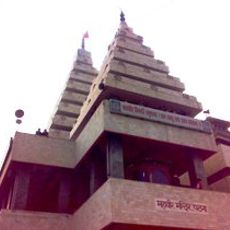
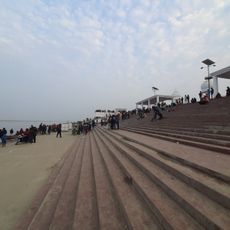
Bihar Province was an administrative territory in Eastern India with Patna as its capital, covering the fertile plains between the Ganges River and the Himalayan region. The province included diverse towns and rural areas with a mix of agricultural land, urban centers, and many ancient religious and educational sites.
The province was formed in 1936 when the combined Bihar and Orissa Province was split into two separate administrative units. This division reflected changing colonial policies and reorganization efforts by British authorities in India.
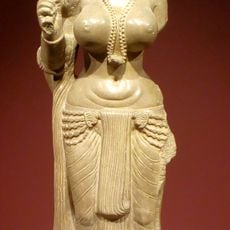
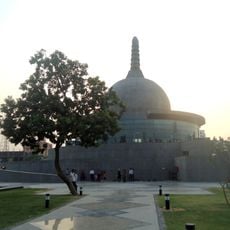
The region served as a major center for Buddhist learning and philosophy from ancient times, shaping how people thought about knowledge and spirituality. This intellectual heritage remained visible in local customs and the way communities valued education and contemplation.
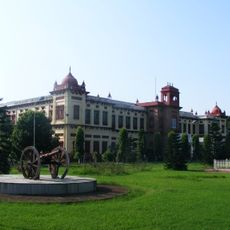
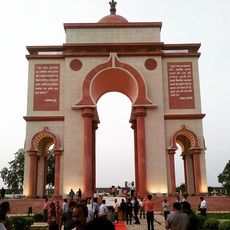
The province was governed through a legislative assembly where elected representatives managed local affairs and public services. To understand how the British colonial system operated, visiting the capital and major towns reveals administrative buildings and structures from this era.
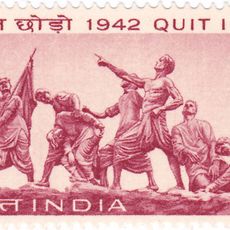
In 1939, the provincial government resigned following Britain's entry into World War II, leading the Governor to assume direct control. This political crisis revealed tensions between local self-government and colonial authority during wartime.
The community of curious travelers
AroundUs brings together thousands of curated places, local tips, and hidden gems, enriched daily by 92,845 contributors worldwide.