Warren Bridge, 19th century bridge in Boston, United States
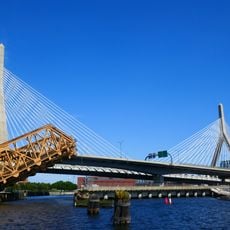
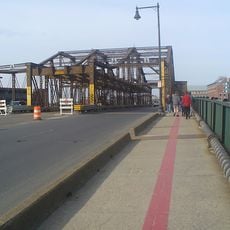
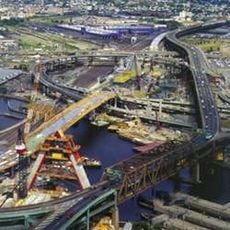
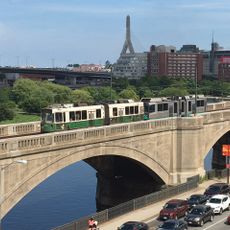
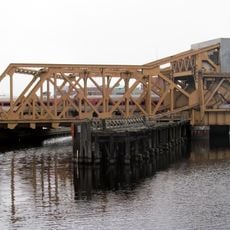
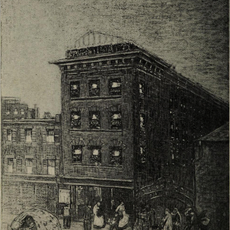
Warren Bridge was a structure that crossed the Charles River from Boston's North End to Charlestown. It connected Beverly Street with City Square, providing a direct passage between the two neighborhoods.
The bridge was authorized in 1828 as a response to high tolls charged on the existing Charles River Bridge. It became the first state-operated toll-free structure and remained in service for nearly 130 years before demolition in 1962.
The bridge was central to a major legal dispute that revealed tensions between new transportation innovations and established monopolies. This case shaped American thinking about public benefit versus private ownership rights.
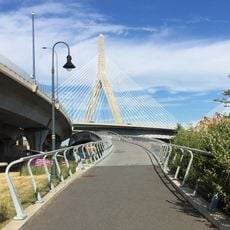
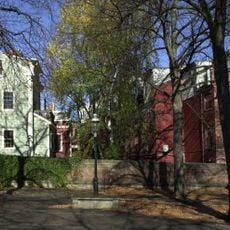
Today visitors can explore the historical site where the structure once crossed the river. The location is easily accessible on foot from the North End and Charlestown.
The famous lawyer Daniel Webster defended the proprietors of the established Charles River Bridge in this dispute, resulting in one of the Supreme Court's most influential rulings. This decision solidified the power of states to control infrastructure in the public interest.
The community of curious travelers
AroundUs brings together thousands of curated places, local tips, and hidden gems, enriched daily by 91,646 contributors worldwide.