Aberdeen, human settlement in United States of America
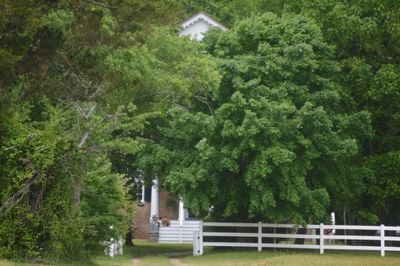
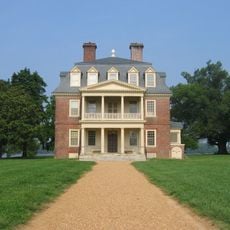
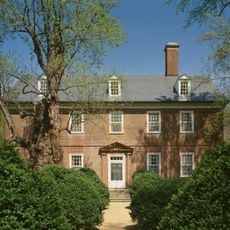
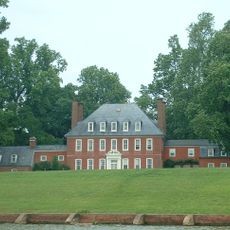
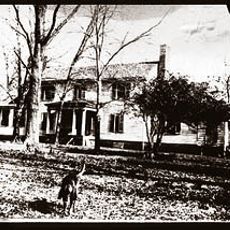
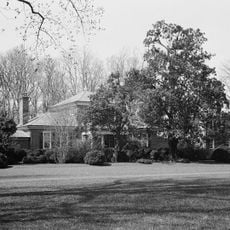
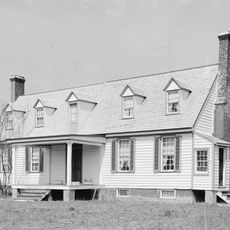
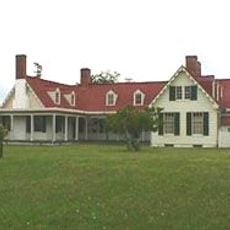
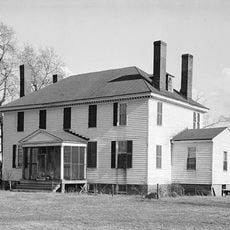
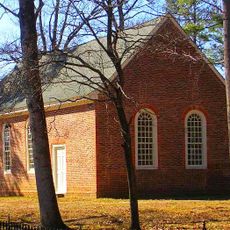
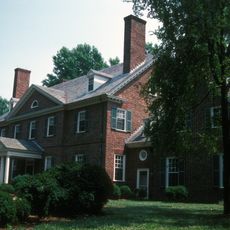
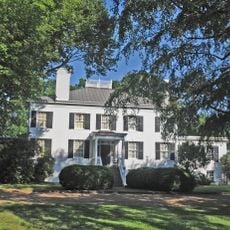
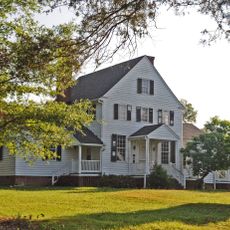
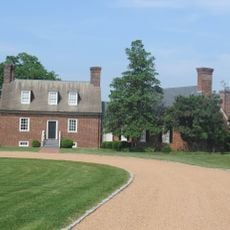
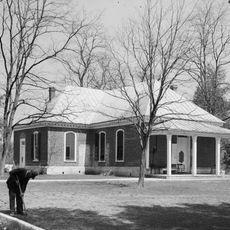
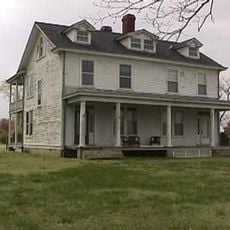
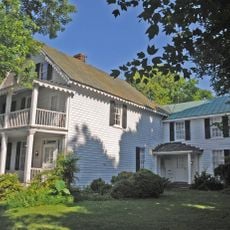
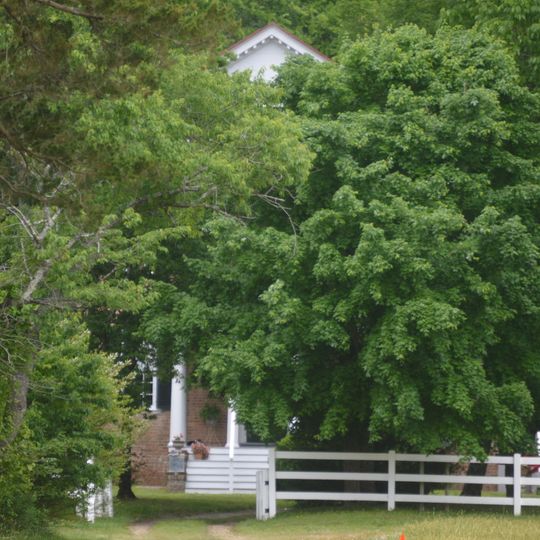
Aberdeen is a large brick house built around 1810 in Prince George County with a rectangular shape and side hall plan. The solid structure shows Georgian style features including a peaked pediment, Doric columns, neatly patterned Flemish bond brickwork, and wood trim from the Federal period on its interior.
Thomas Cocke built the house around 1810 and named it after a Scottish region while inheriting large estate lands from his father. Cocke conducted soil improvement experiments with Edmund Ruffin using marl, work that significantly influenced Virginia farming practices before the Civil War.
The name Aberdeen comes from a region in Scotland, reflecting the Cocke family's heritage and ties to their ancestry. The house and surrounding farmland show how wealthy landowners and those who worked the fields shaped rural Virginia life over many generations.
The house is not open to the public as a museum, but its exterior and surrounding farmland can be viewed from the road. Visitors should respect private property and enjoy observing the architecture and landscape from a distance.
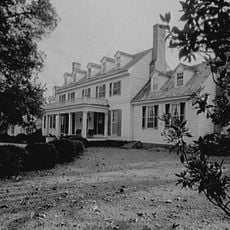
Artist Edward Darby created a pen and ink drawing of the house in the 1930s as part of a Depression-era project to document historic buildings. This artwork preserves the house's appearance from nearly a century ago and shows the detailed craftsmanship of that period.
The community of curious travelers
AroundUs brings together thousands of curated places, local tips, and hidden gems, enriched daily by 92,243 contributors worldwide.