Palácio da Abolição, Palace and official residence in Fortaleza, Brazil
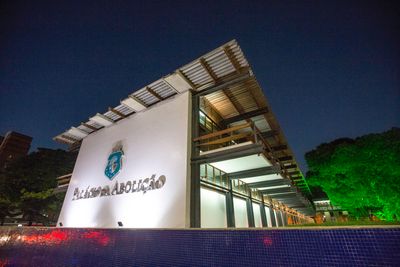
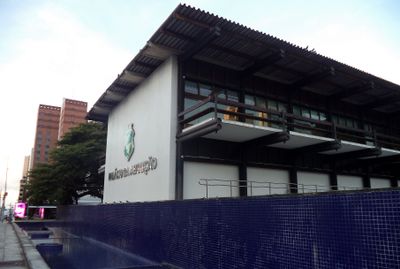
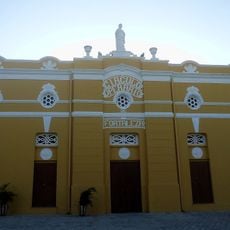
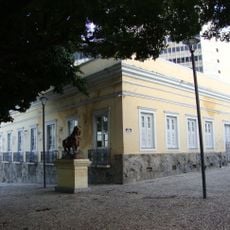
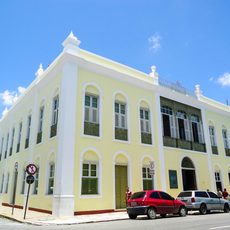
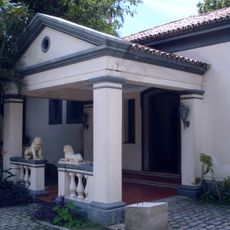
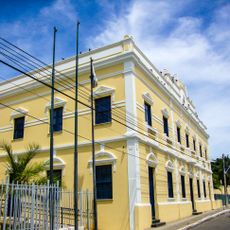
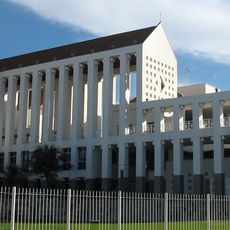
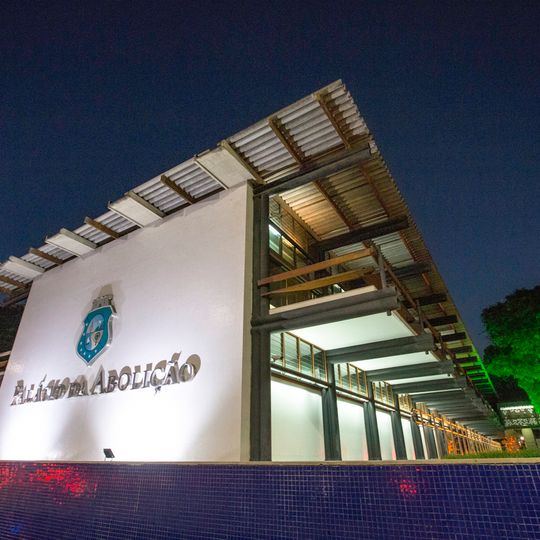
The Palácio da Abolição is the official seat of the government of the state of Ceará, located in central Fortaleza, Brazil. It is made up of four buildings with glass facades and marble details, arranged around inner gardens planted with native species.
Construction started in 1962 and was completed in 1970, designed by Brazilian architect Sergio Bernardes. He was one of the leading figures of modern architecture in Brazil at the time, and the palace reflects the style he developed during that period.
The name of the palace refers to Brazil's abolition of slavery in 1888, a moment that still carries deep meaning in the country. The pyramid-shaped chapel on the grounds stands out among the government buildings and gives the complex an unexpectedly ceremonial feel.
The palace is in central Fortaleza and easy to reach by public transport. The grounds cover a large area, so plan enough time to walk through the gardens, the chapel, and the different buildings without rushing.
A mausoleum on the grounds holds the remains of a former Brazilian president and his wife, which most visitors do not expect to find here. It sits quietly among the administrative buildings, easy to miss if you do not know to look for it.
The community of curious travelers
AroundUs brings together thousands of curated places, local tips, and hidden gems, enriched daily by 91,691 contributors worldwide.