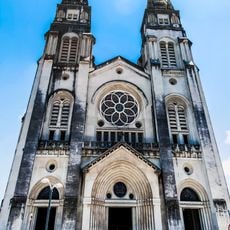
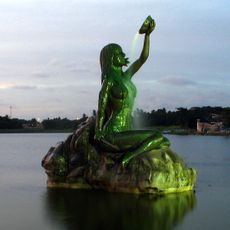
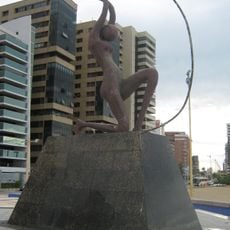
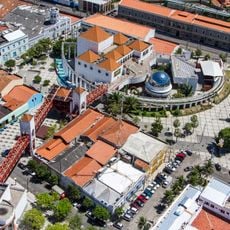
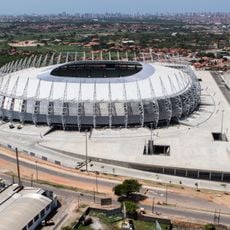
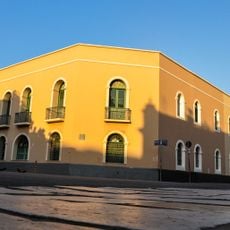
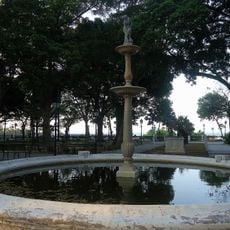
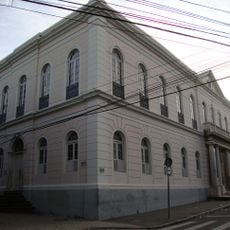
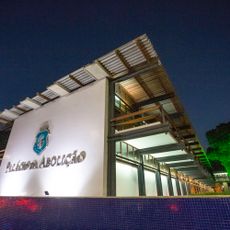
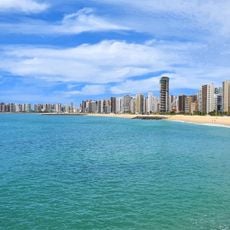
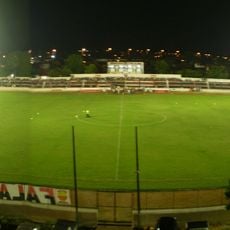
Fortaleza, State capital in Ceará, Brazil
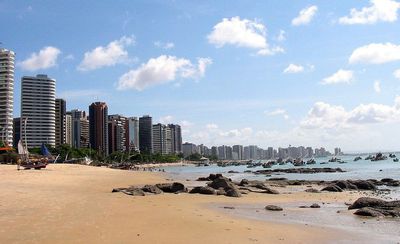
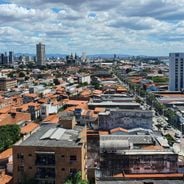
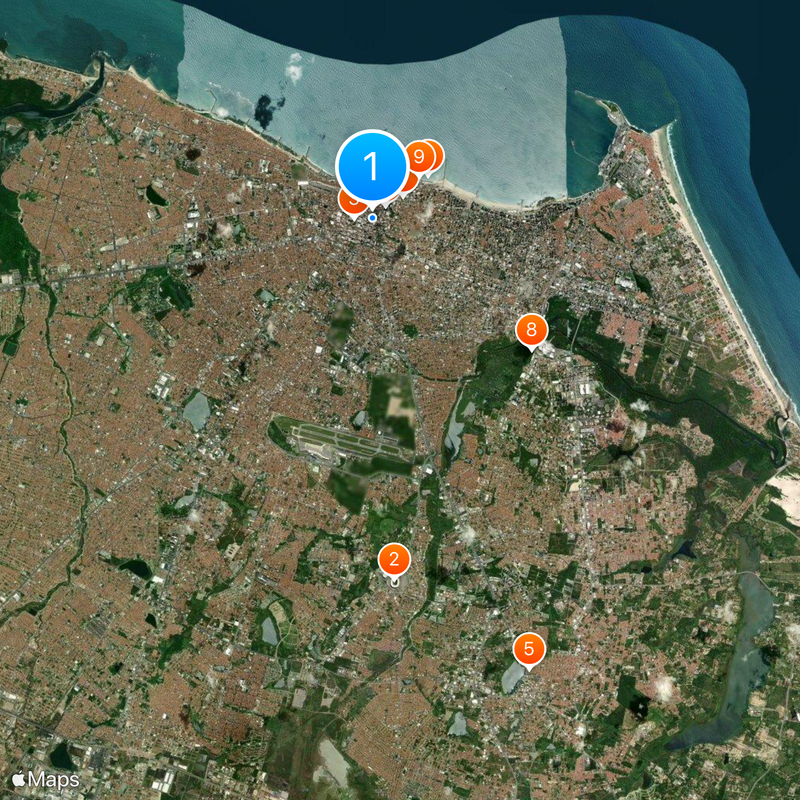
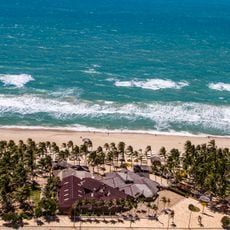
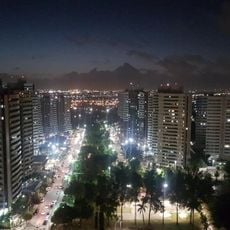
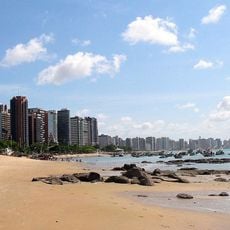
Fortaleza extends along the northeastern Atlantic coast and features wide avenues, protected harbors, and numerous beaches across its metropolitan region of 4 million inhabitants, serving as the capital of Ceará state. The built area encompasses several adjacent municipalities connected by a network of coastal roads, residential districts, commercial zones, and public parks, while expansive sand dunes and lagoons mark the eastern and western limits.
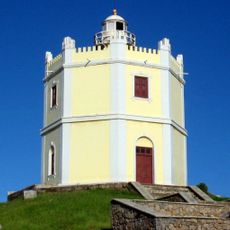
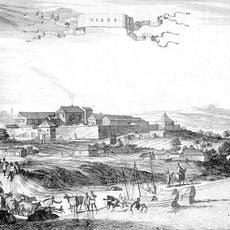
The Portuguese established a defensive fort named Nova Lisboa in 1603, which transformed into Fortaleza da Nossa Senhora de Assunção after the Dutch withdrawal in 1654 and developed into a regional commercial center. During the 19th century, the settlement began to expand as plantation owners from the interior moved to the coastal town and made it the provincial capital, accelerating the shift from a small fortress to an urban center.
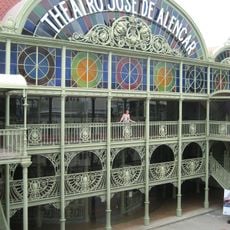
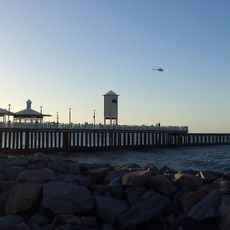
The Dragão do Mar Center of Art and Culture presents exhibitions, performances, and events that reflect northeastern Brazilian traditions through multiple artistic spaces, while residents use the beachfront promenades daily for social gatherings, sports, and informal commerce. On Friday evenings and weekends, families congregate along the coast where vendors sell local foods like tapioca and grilled shrimp, and musicians often perform spontaneous shows of regional rhythms.
Pinto Martins International Airport connects the city with major Brazilian centers, while an expanding metro system and bus network facilitate internal transportation and make most neighborhoods reachable within an hour. The coastal roads remain heavily traveled during the day, especially on weekday mornings and late afternoons, so it is advisable to plan movements outside these peak hours or rely on public transit.
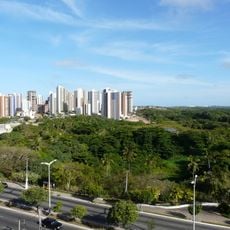
Cocó Park contains large sections of preserved mangrove forests within the urban area, making it one of the largest natural spaces in Latin American cities and providing habitat for crabs, herons, and fish that thrive in brackish waters. Visitors can walk through the mangroves on wooden walkways and hear the sounds of birds nesting among the tangled roots while being only a few kilometers from the busy downtown.
The community of curious travelers
AroundUs brings together thousands of curated places, local tips, and hidden gems, enriched daily by 91,506 contributors worldwide.