Taunus, Mountain range in Hesse and Rhineland-Palatinate, Germany
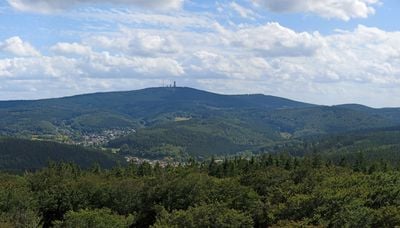
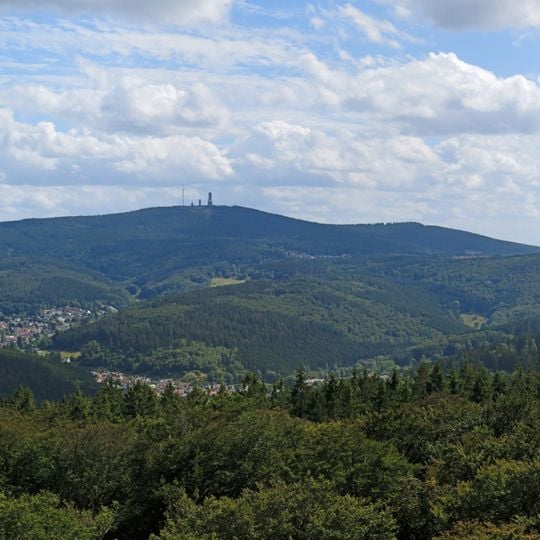
The Taunus is a low mountain range in Hesse and Rhineland-Palatinate with dense forests covering rounded hills and valleys carved by streams. The range rises gradually from river plains and forms a wooded upland dotted with small settlements.
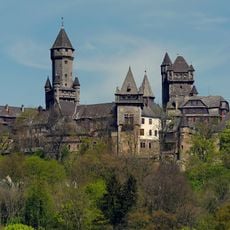
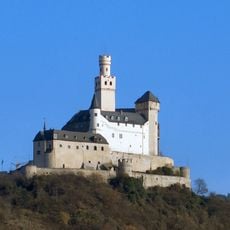
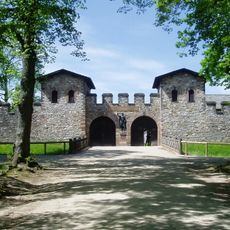
Romans built a frontier defense line in the second century, with forts like Saalburg to control the border through the forests. In the Middle Ages, feudal lords built castles and mined iron and silver, while towns grew near thermal springs.
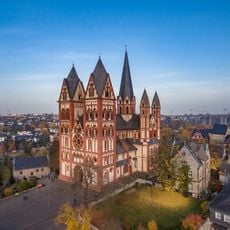
The name Taunus derives from the Celtic word for hill, and the range's spa towns drew European aristocracy to their geothermal springs and mineral waters. The Ford Taunus car line is named after the range. In the Idstein depression, the fertile loess soils of the Goldener Grund supported farming.
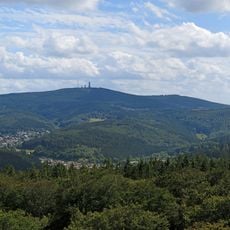
The Großer Feldberg crest, at 879 m the highest point of the Rhenish Slate Mountains, carries masts and a tower visible from afar. South of the main ridge the slopes are steeper and the climate rougher, with more rain and snow; the Hintertaunus to the north is lower, with open plateaus between deep valleys. Trails link the spa towns of Wiesbaden, Bad Homburg and Bad Nauheim on the southern and eastern edges.
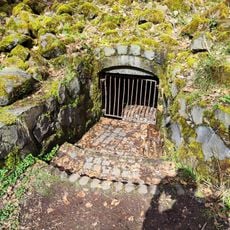
Medieval mining shafts mark the forest landscape where miners extracted ore for centuries. Old pit mounds and slag heaps remain visible in remote valleys, showing this forgotten economy.
The community of curious travelers
AroundUs brings together thousands of curated places, local tips, and hidden gems, enriched daily by 92,366 contributors worldwide.