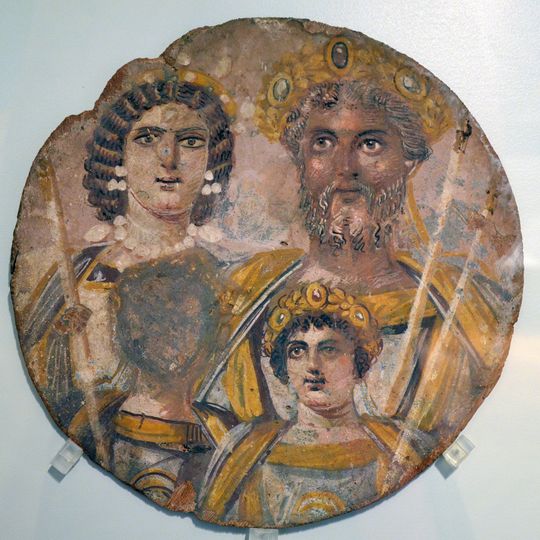
Severan Tondo, Roman panel painting (c. 200 AD)
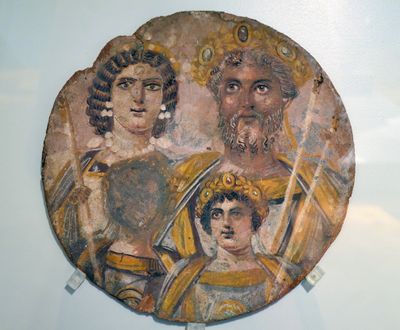
The Severan Tondo is a round wooden panel painted with egg tempera, measuring about 30.5 centimeters across, depicting the Roman imperial family. It shows Emperor Septimius Severus, his wife Julia Domna, and their two sons Caracalla and Geta, all dressed in fine robes and wearing golden wreaths and holding scepters.
The painting dates to around 200 AD and was likely created in Egypt, possibly during the emperor's visit there. The work was later deliberately altered when one son's face was erased following his murder as part of the Roman practice of condemning someone's memory.
The family depicted wears fine robes and golden wreaths that mark their elevated status within Roman society. These visual symbols of authority were displayed throughout the empire to help people recognize and respect the imperial family.
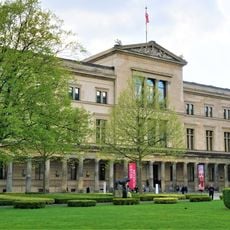
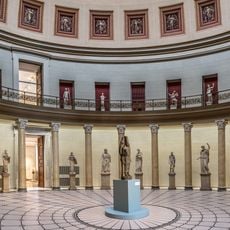
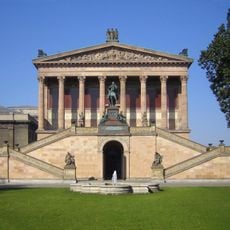
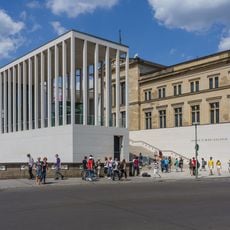
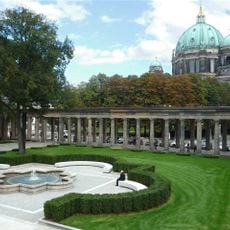
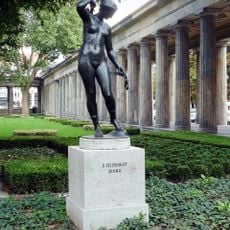
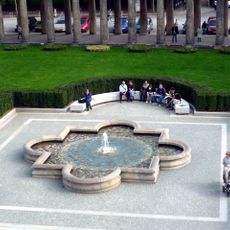
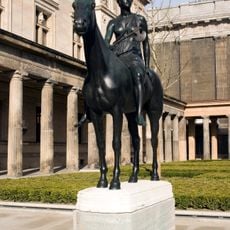
The work is on display in the Antikensammlung at the Altes Museum in Berlin, where visitors can view it directly. Since the panel is small, it is best appreciated from close range where its details become visible.
One son's face has been deliberately smeared away, an unusual surviving example of the Roman practice of condemning someone's memory through defacement. This visible erasure makes the work an extraordinary testament to how political conflict was recorded in ancient images.
The community of curious travelers
AroundUs brings together thousands of curated places, local tips, and hidden gems, enriched daily by 92,782 contributors worldwide.