Lena River, Main river system in Eastern Siberia, Russia
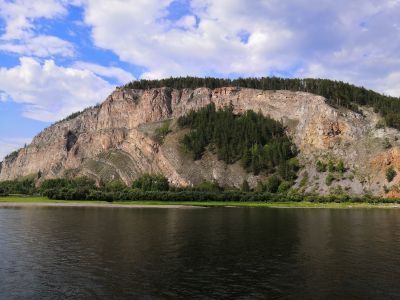
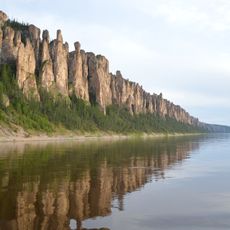
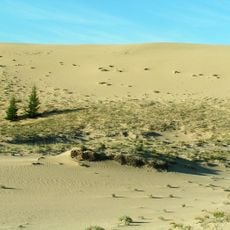
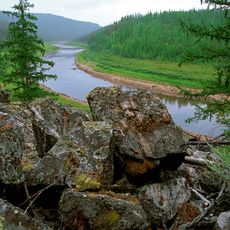
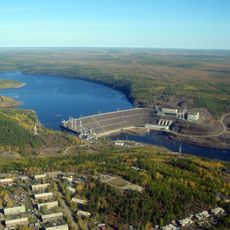
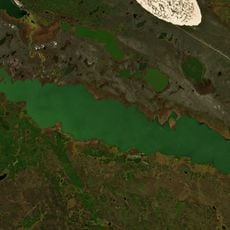
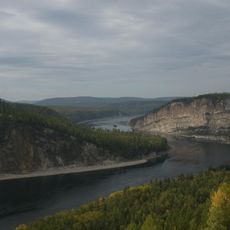
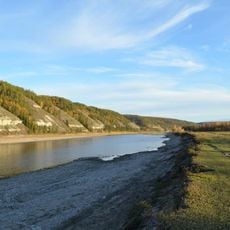
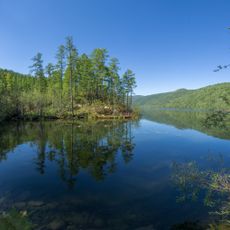
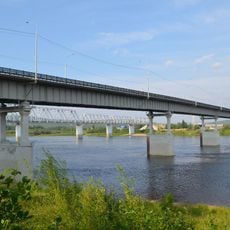
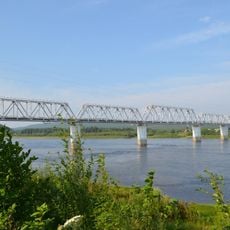
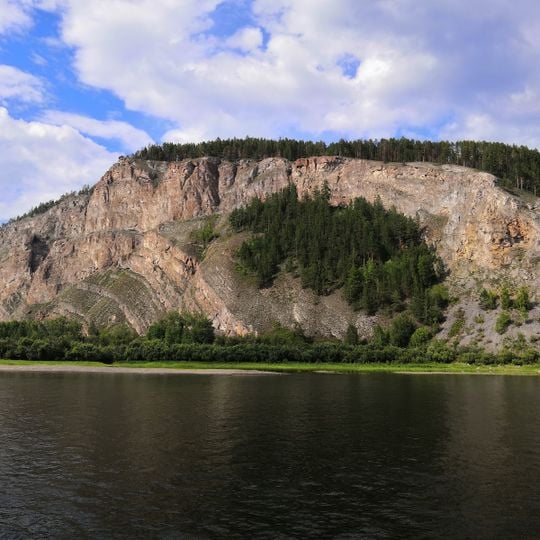
The Lena River is a large waterway system in Eastern Siberia that flows from the south across thousands of kilometers until it reaches the Arctic Ocean. The river cuts through different landscapes, from forested valleys to open lowlands near the coast.
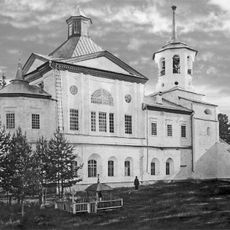
Russian fur traders began exploring the river in the early 17th century and established trade routes connecting its southern and middle sections. These early journeys laid the foundation for later settlements and the region's further development.
Indigenous peoples along the banks have fished and hunted these waters for generations as part of their daily life. These practices continue to shape how communities in remote settlements relate to the river today.
Most sections are navigable for about 4 months each year, while the delta region remains passable for a shorter period. Visitors should expect long winters and the best time for boat travel is between late spring and early fall.
At its mouth, the river splits into several major branches that cover thousands of square kilometers and shift between frozen tundra and wetland. In May the landscape transforms dramatically when snow and ice melt and reshape the entire area.
The community of curious travelers
AroundUs brings together thousands of curated places, local tips, and hidden gems, enriched daily by 90,830 contributors worldwide.