Haleets, Native American petroglyph site on Bainbridge Island, US
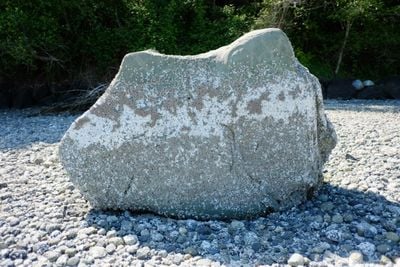
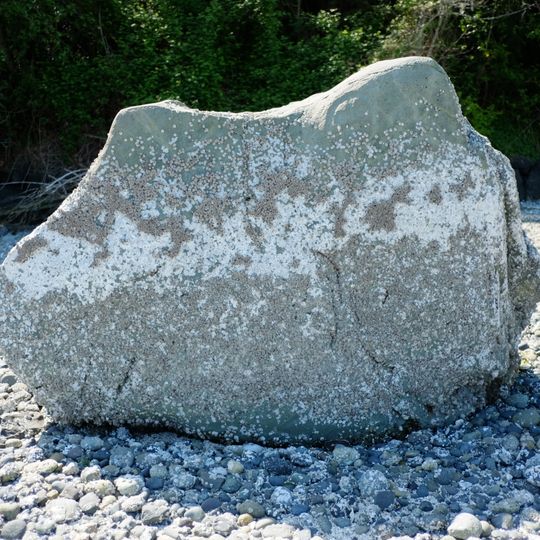
Haleets is a sandstone boulder on Bainbridge Island featuring ancient carvings made by the Suquamish people. The rock, roughly 5 feet (1.5 meters) tall and 7 feet (2 meters) long, sits near the Agate Point shoreline.
The Suquamish people carved petroglyphs on this glacial boulder over several centuries as part of their cultural practices. Later, land surveyors added their own marks beginning in the 1800s, including a geodetic marker in 1934.
The name Haleets comes from the Lushootseed word x̌alilc, which means marked rock and reflects how the Suquamish people used this place as a territorial marker. The carvings served as a way to identify and claim this part of the island.
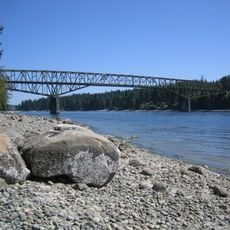
The rock is only accessible during low tide, so visitors should check the tidal schedule for Agate Passage before making the trip. Timing your visit around the lowest tide periods makes the site easiest to reach and explore.
While the original Suquamish carvings are several centuries old, the surveyor marks added later are equally visible on the stone. This layering of different time periods on a single rock shows how the site has been marked and remarked by different people across generations.
The community of curious travelers
AroundUs brings together thousands of curated places, local tips, and hidden gems, enriched daily by 91,256 contributors worldwide.