Kutha, Wikimedia list article
Kutha is an ancient city in Iraq also called Tell Ibrahim, composed of two main mounds shaped like a crescent moon. The larger mound stretches about three-quarters of a mile and contains the smaller one in its curve, with a dry canal bed between them that once connected to the Euphrates River.
Kutha was mentioned as early as 2200 BC by Akkadian king Naram-Sin, who built a temple for the god Nergal there. The city remained a significant center for thousands of years under various rulers, from Babylonians and Assyrians to Persian rule around 530 BC.
Kutha served as a religious center dedicated to the god Nergal and appears frequently in ancient texts from multiple civilizations. The site draws visitors interested in how different cultures shaped this place over millennia through their beliefs and practices.
Visitors should wear comfortable shoes as the ground is uneven with scattered stones and bricks from ancient walls. Bringing plenty of water is important, especially during warmer seasons when the sun beats down on the open ruins.
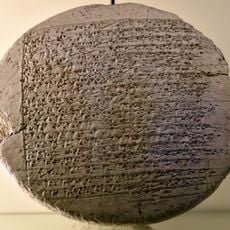
The site was excavated in 1881 by Hormuzd Rassam, who discovered clay tablets with Hebrew and Aramaic writing and what was believed to be Abraham's mausoleum on the smaller mound. These archaeological finds connect different religious traditions and reveal the site's importance across multiple cultures.
The community of curious travelers
AroundUs brings together thousands of curated places, local tips, and hidden gems, enriched daily by 92,529 contributors worldwide.