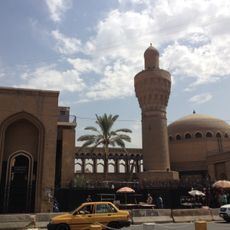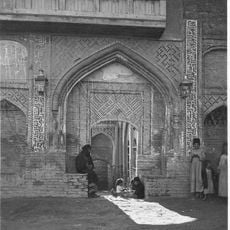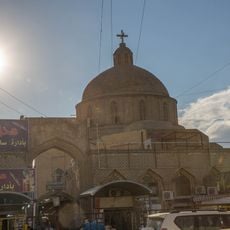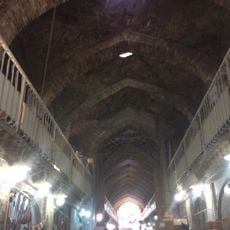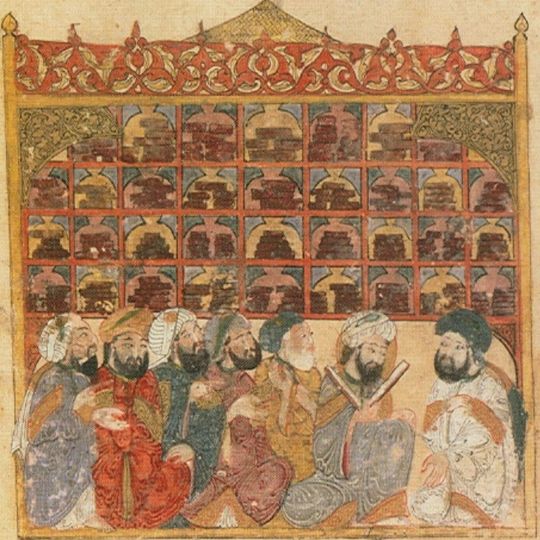
House of Wisdom, Ancient library in Iraq
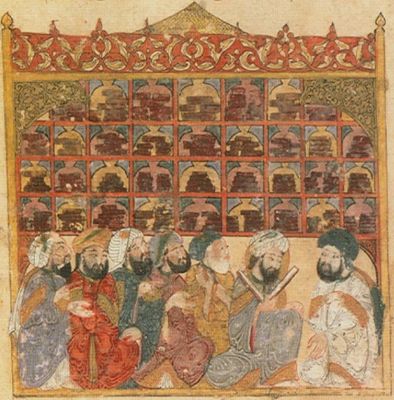
The House of Wisdom was a center of learning during the Abbasid rule in Baghdad and served as both a library and translation hub for ancient texts. The institution consisted of several rooms dedicated to different subjects such as astronomy, mathematics, and medicine, along with workspaces for translators and researchers.
The institution began in the late eighth century under Caliph Harun al-Rashid as a private book collection and later expanded into a public place of learning under Caliph al-Mamun. In 1258, Mongol forces destroyed Baghdad, threw many manuscripts into the Tigris, and ended the library's existence.
The name Bayt al-Hikmah translates to House of Wisdom and recalls a time when scholars from many lands worked side by side. Visitors today can sense the spirit of cooperation that once existed among translators, astronomers, and doctors in modern institutions that honor that tradition.
The site no longer exists in its original form, but modern institutions in Baghdad and other cities commemorate its role. Visitors interested in the history of science can find exhibitions and materials on this subject in museums and cultural centers across the region.
Caliph al-Mamun sent teams to different regions to collect rare manuscripts, some of which came to Baghdad as war prizes after peace treaties. Translators created new Arabic words for scientific concepts that did not previously exist in the language, shaping the development of Arabic technical vocabulary.
The community of curious travelers
AroundUs brings together thousands of curated places, local tips, and hidden gems, enriched daily by 91,647 contributors worldwide.