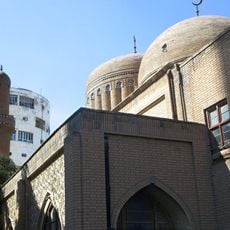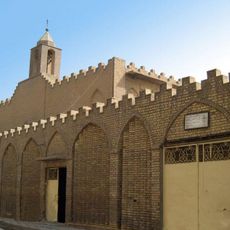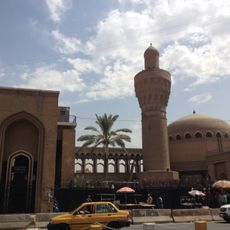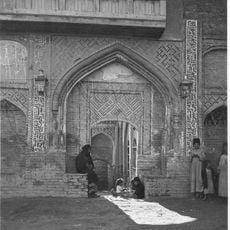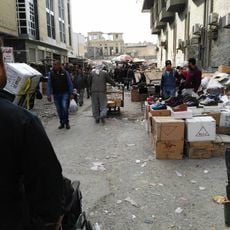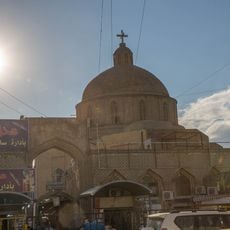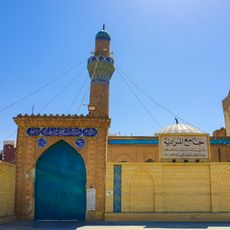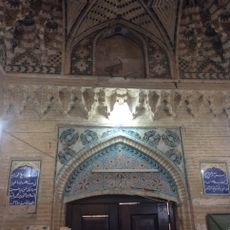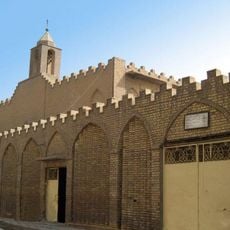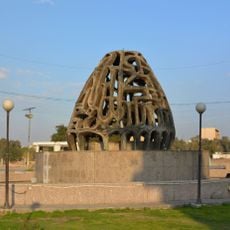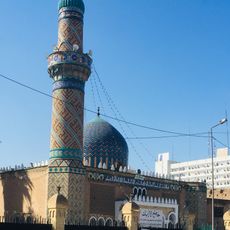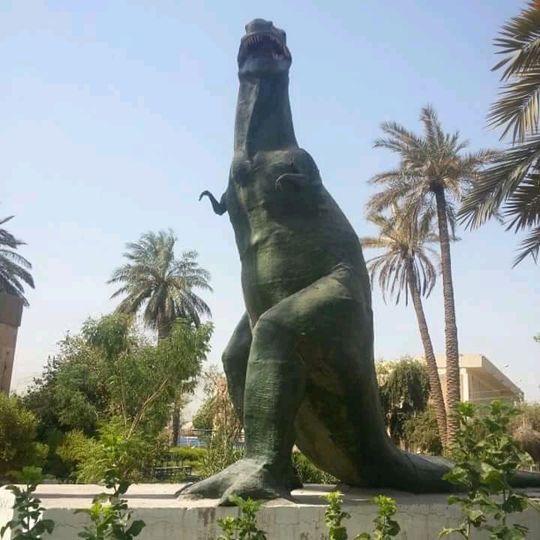
Natural History Museum, Natural history museum in Bab Al-Muadham, Baghdad, Iraq
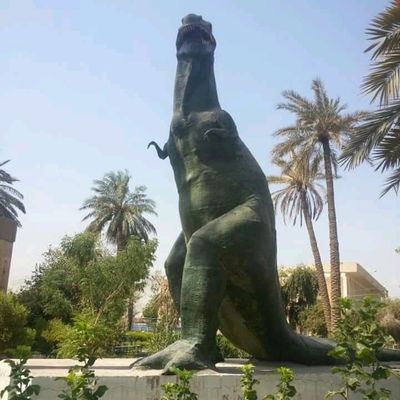
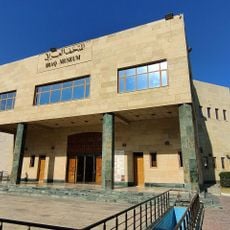
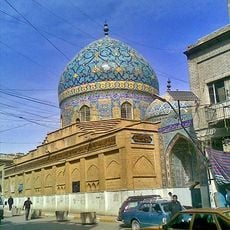
The Natural History Museum occupies a building in Bab al-Muadham, Rusafa, leased from the Ministry of Awqaf and opened on 2 May 1946. Its halls hold taxidermied animals and models, a vertebrate section with 3,560 study bird specimens under 18 orders and 55 families, an insect collection of about 1,300 specimens, and a herbarium of some 1,800 plant samples from 451 genera in 87 families.
The museum opened on 2 May 1946 in Bab al-Muadham, on the birthday of King Faisal II, inaugurated by Crown Prince Abd al-Ilah and Prime Minister Tawfiq al-Suwaidi in a building rented from the Ministry of Awqaf. In December 1946 the Council of Education attached it to the Higher Teachers' College. Renamed the Institute of Natural History in 1962, it was split into a museum and a biological research centre, and moved to another Bab al-Muadham building in 1973 as the Natural History Research Centre.
The museum's name and purpose tie it to Iraq's wildlife: its halls hold Iraqi birds, insects, butterflies and fish, mostly classified, alongside imported specimens. A library founded in 1973 keeps 20,843 volumes and 400 scientific journals, plus maps and microfilm for study.
The museum stands in Bab al-Muadham, in the Rusafa district of Baghdad, beside the former child protection hospital; the building belonged to the Ministry of Awqaf and was leased for the collection. The library, founded in 1973, holds 20,843 volumes and 400 scientific journals, with maps, microfilm and microcards, and works on the winises system.
The museum's library, founded in 1973, holds 20,843 volumes and 400 scientific journals, plus maps, microfilm and microcards. Its bird study collection numbers 3,560 specimens under 18 orders, 55 families and 354 species, while the exhibition hall shows 106 species.
The community of curious travelers
AroundUs brings together thousands of curated places, local tips, and hidden gems, enriched daily by 93,000 contributors worldwide.