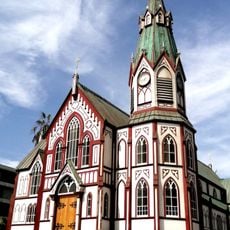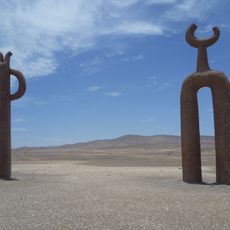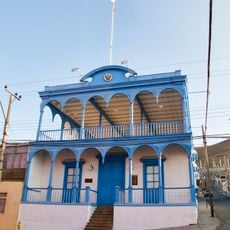
Arica, Coastal city in northern Chile
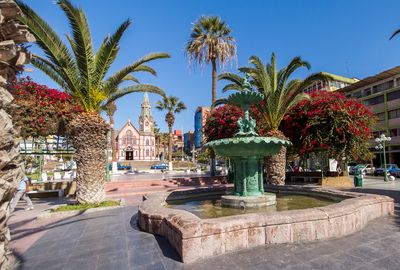
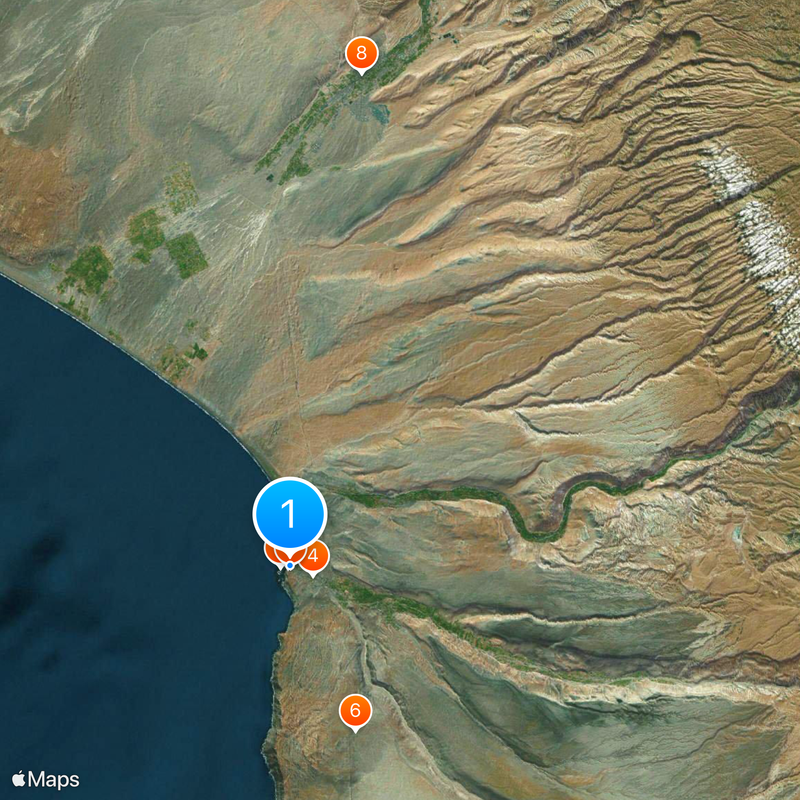
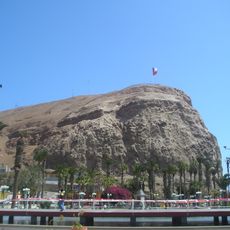
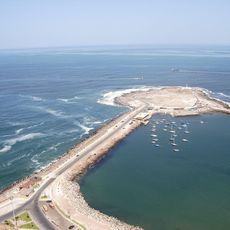
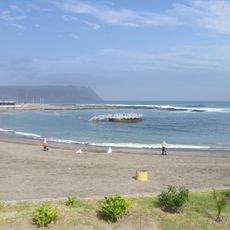
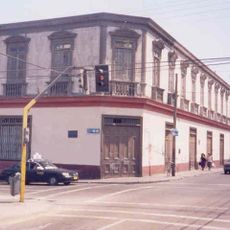
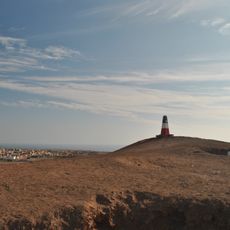
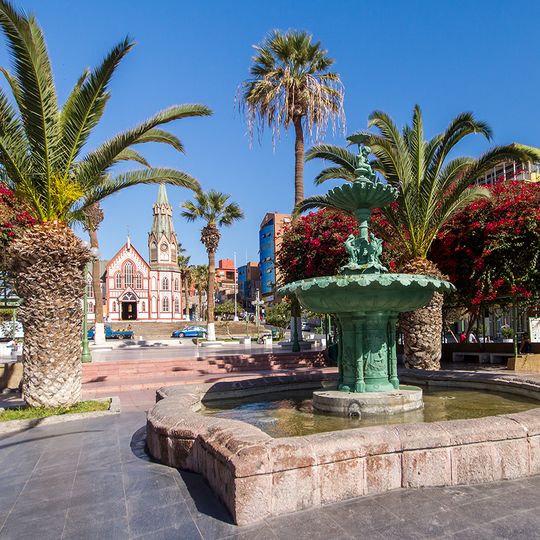
Arica sits on Chile's northern coast where the Pacific meets the Atacama Desert, just two meters above sea level. The city spreads along several beaches and is dominated by the Morro headland, while port facilities and residential neighborhoods line the shore.
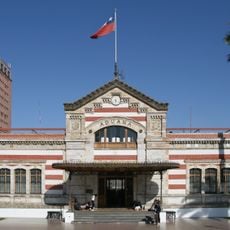
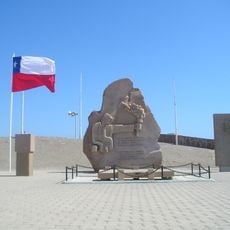
The city belonged to Peru until the end of the War of the Pacific in 1883, when it was transferred to Chile through the Treaty of Ancón. The port developed during the 20th century as a major transit point for Bolivian imports and exports.
The name derives from the Aymara word for pointed peak, referring to El Morro headland that overlooks the harbor and beaches. Locals gather along the waterfront promenade in the evenings, especially near the fish market where vendors sell fresh catches throughout the day.
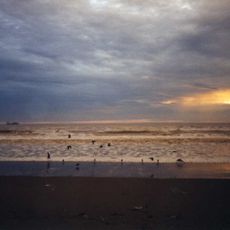
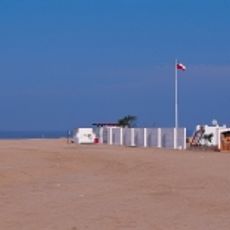
The beaches stretch for several kilometers along the coast and offer calm water for swimming in some sections. The compact downtown area is easy to explore on foot, while local buses connect the outer districts and valleys.
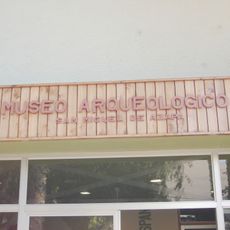
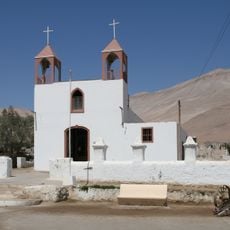
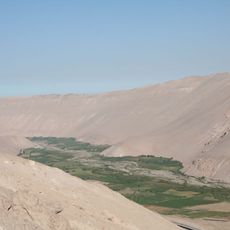
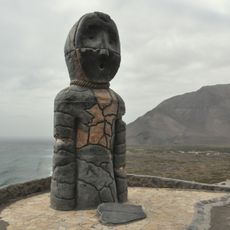
The Museo Arqueológico San Miguel de Azapa preserves Chinchorro mummies that are several millennia older than Egyptian finds. In the nearby valleys, olives and citrus fruits grow despite the extreme dryness of the surrounding desert.
The community of curious travelers
AroundUs brings together thousands of curated places, local tips, and hidden gems, enriched daily by 91,849 contributors worldwide.