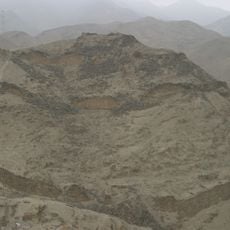
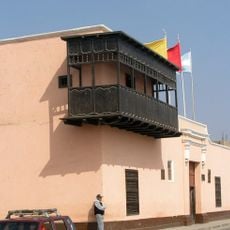
Vichama, Archaeological site in Vegueta District, Peru
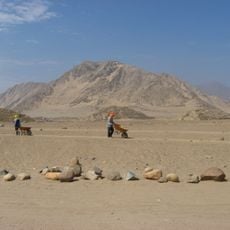
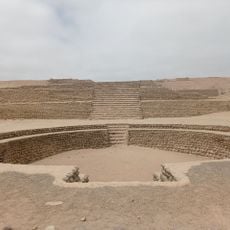
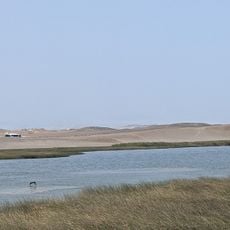
Vichama is an archaeological site near the Huaura River and Pacific coast with nine pyramid buildings spread across about 136 hectares. The structures display carefully designed spaces with murals and artifacts that document ancient life.
Vichama's monumental structures belong mainly to the Early Formative Period, 1800-1200 BC. Since 2007 the site has been researched and conserved by the Caral-Supe Special Archaeological Project, now Zona Arqueológica Caral, directed by archaeologist Ruth Shady Solís.
The excavated murals show people with empty stomachs beside skeletons, telling stories of difficult times when food was scarce. These images offer insight into the daily struggles of the ancient residents.
Visitors reach the site via the Panamerican Highway from Lima, and a guided tour is required for entry. It helps to bring comfortable shoes and sun protection, as the path crosses the sprawling remains.
The site's name comes from Vichama, a pre-Inca deity of the day, vegetation and food, brother and opposite of Pachacámac, god of night. Coastal peoples worshipped him, and the Inca later absorbed both brothers into their pantheon. Colonial sources also record the name as Huichama, Uichama, Uichma and Villama.
The community of curious travelers
AroundUs brings together thousands of curated places, local tips, and hidden gems, enriched daily by 92,604 contributors worldwide.