Bactria, Ancient geographic region in northern Afghanistan
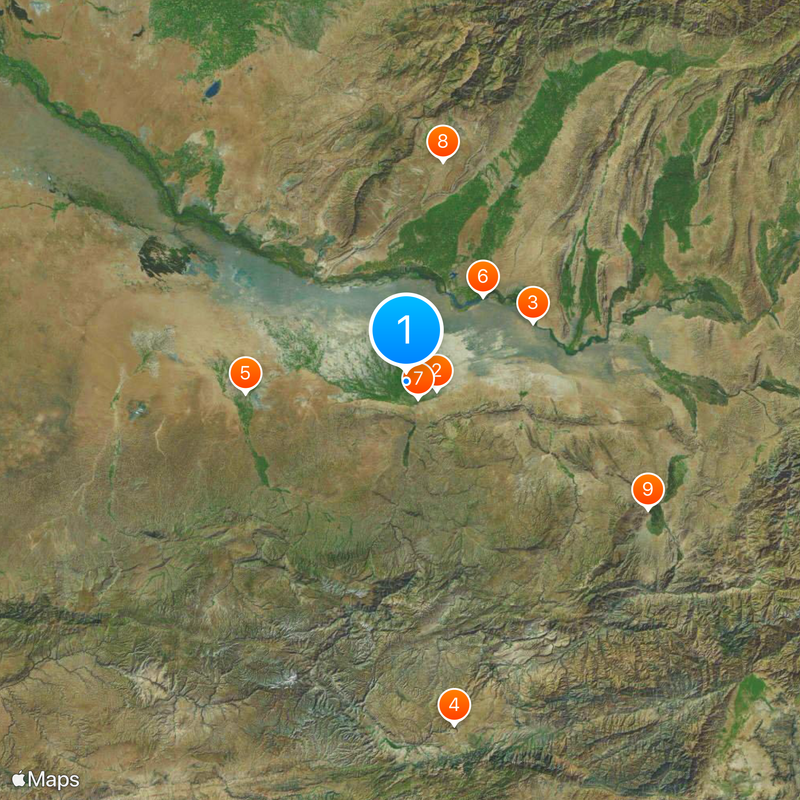
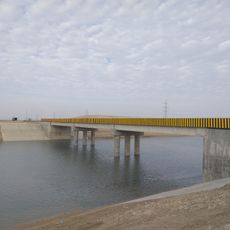
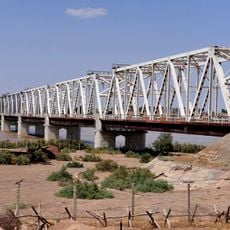
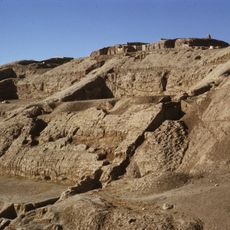
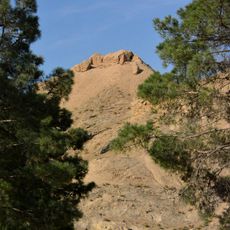
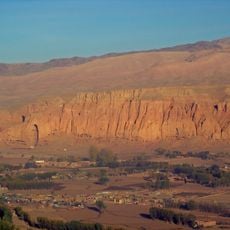
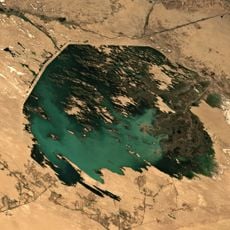
This territory sits between the Hindu Kush mountain range and the Amu Darya River in what is now northern Afghanistan and Central Asia. Fertile plains stretch across the area, once supported by an extensive network of irrigation channels that enabled agricultural settlements to flourish.
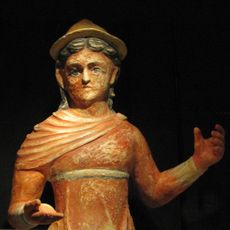
The region shifted from Persian rule to Greek influence when Alexander the Great took control in the year 329 before the Christian era. Later the area became an important center of the Kushan Empire and flourished as a Silk Road hub connecting East and West.
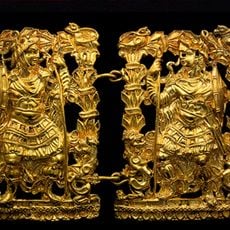
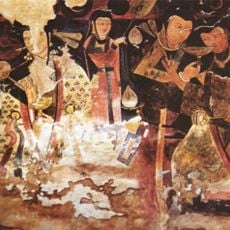
Local communities in the region preserve memories of the Silk Road trade routes through oral traditions and traditional craftsmanship. Archaeological sites like Tillya Tepe attract researchers and visitors interested in the fusion of different artistic traditions.
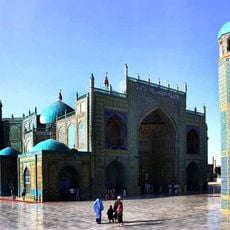
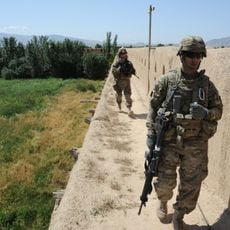
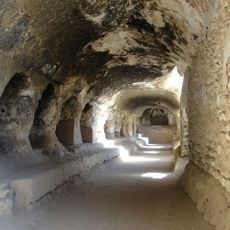
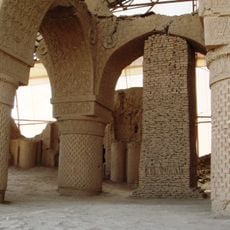
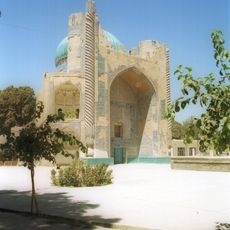
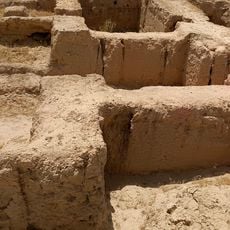
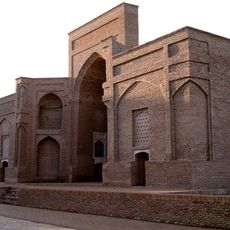
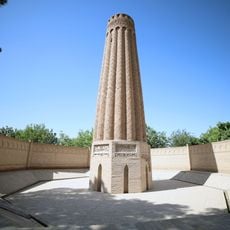
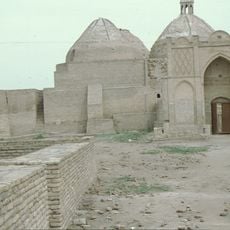
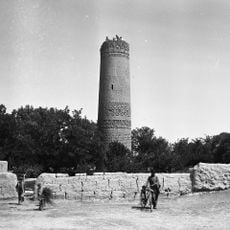
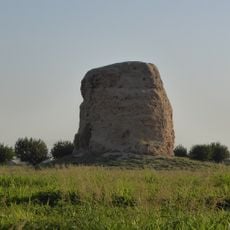
The area contains numerous archaeological sites from different epochs, with the most significant excavations concentrated near the present-day city of Balkh. Travelers should be aware that access and security conditions can vary greatly, so current information is needed before visiting.
Excavations in the area have uncovered more than 20,000 gold items from tombs, including a collapsible crown designed for a nomadic princess. This crown combined ceremonial splendor with functional design and could be folded for travel, reflecting the mobile lifestyle of the elites at the time.
The community of curious travelers
AroundUs brings together thousands of curated places, local tips, and hidden gems, enriched daily by 91,834 contributors worldwide.