Khalchayan, Archaeological site in Surchandarja region, Uzbekistan
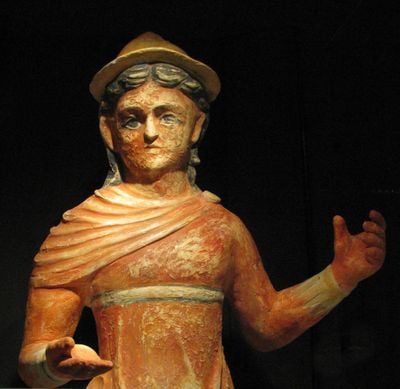
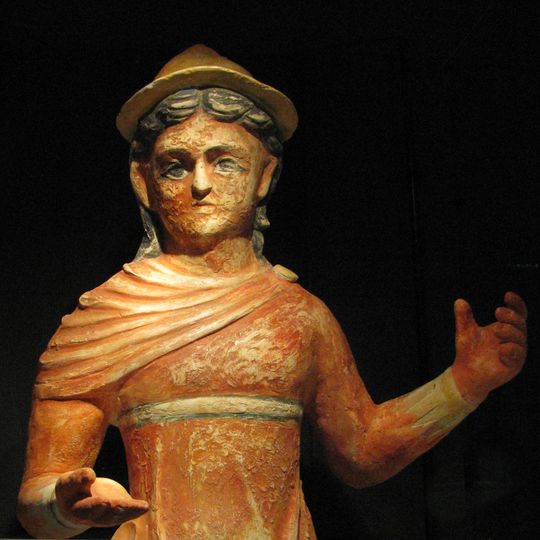
Khalchayan is an archaeological site in the Surchandarja region of southern Uzbekistan, made up of a fortress with defensive walls, water channels, and a palace building. The palace is the best-preserved structure on the site and holds painted terracotta sculptures uncovered during excavations.
The settlement was founded in the mid-1st century BCE and later came under the influence of the Kushan Dynasty. During that period the site was expanded and took on the architectural form that visitors can still trace today.
The main palace has a four-column hall where painted terracotta figures show rulers, deities, and mounted warriors placed at different heights on the walls. This arrangement gives a clear sense of how rank and power were expressed in that era.
The site lies about 10 kilometers from Denau and is most easily reached by private vehicle, as local transport options are limited. Paths on the ground are unpaved and uneven, so sturdy shoes and enough water for a few hours are a good idea.
Some of the terracotta figures found at Khalchayan show individual facial features, which is rare for ancient sculpture in Central Asia. This suggests that some figures may have been intended as portraits of real people rather than generic types.
The community of curious travelers
AroundUs brings together thousands of curated places, local tips, and hidden gems, enriched daily by 91,996 contributors worldwide.