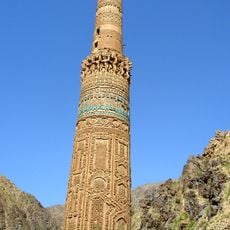
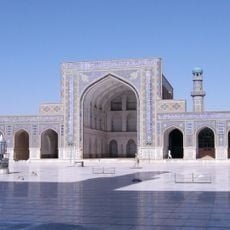
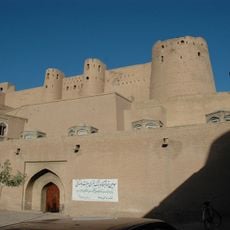
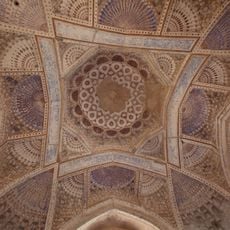
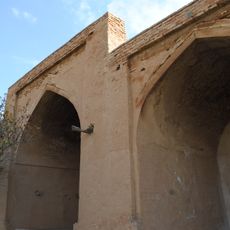
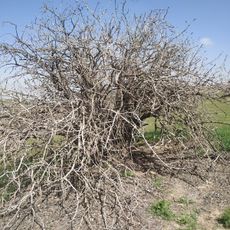
Marw al-Rudh, Archaeological site in Greater Khorasan, Afghanistan
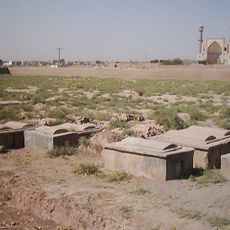
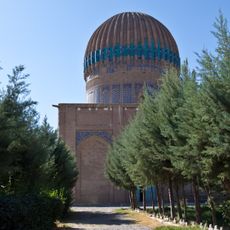
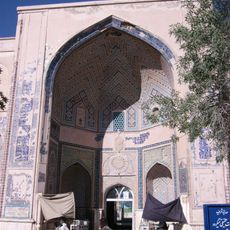
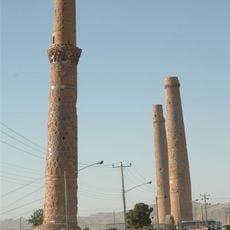
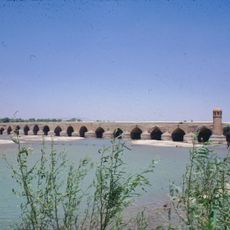
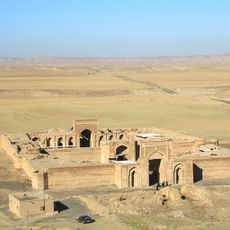
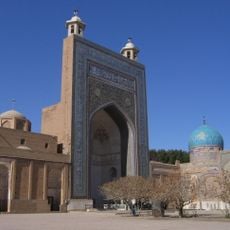
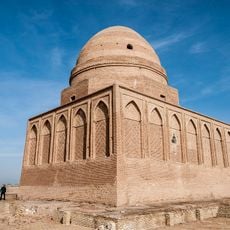
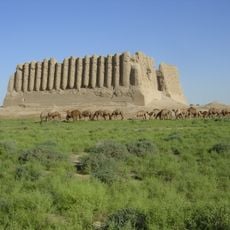
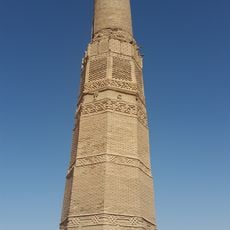
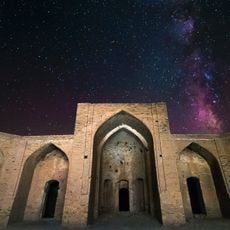
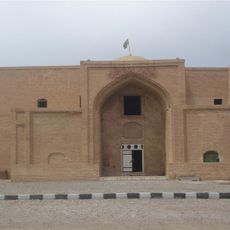
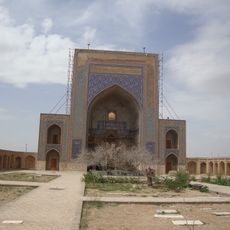
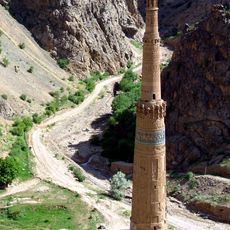
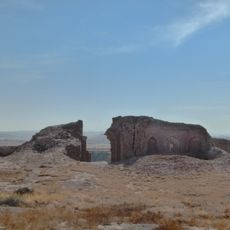
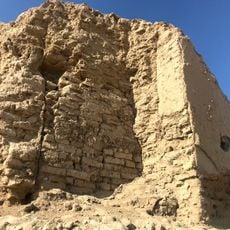
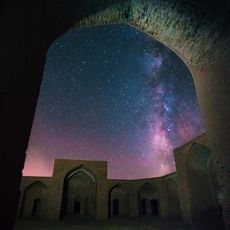
Marw al-Rudh is an archaeological site in Greater Khorasan, in what is now Afghanistan, positioned where the Murghab River exits the mountains and opens onto the desert plain. The ruins still show the outlines of defensive walls, living areas, and religious structures built at different periods over many centuries.
A Persian ruler established this settlement in the early 5th century to serve as a base for trade and governance along a key route. Over the following centuries it passed through the hands of several powers, each leaving traces in the layers of construction still visible today.
The name of this city lives on in Baghdad, where a neighborhood was named after its people as a sign of how far their connections reached. Visitors who know this history can read the ruins differently, seeing them not as an isolated outpost but as part of a wide network.
The site lies far from main roads and is most easily reached by local transport from the nearby town of Bala Murghab. The terrain is open and exposed, so bringing enough water and appropriate clothing for the conditions is strongly advised.
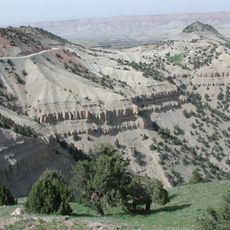
The site sits precisely at the boundary where mountain terrain gives way to open desert, a natural stopping point that travelers on long routes would have been unable to avoid. This geography likely explains why so many different groups left their mark here across such a long span of time.
The community of curious travelers
AroundUs brings together thousands of curated places, local tips, and hidden gems, enriched daily by 90,790 contributors worldwide.