Rapa Nui National Park, National park and UNESCO World Heritage Site on Easter Island, Chile
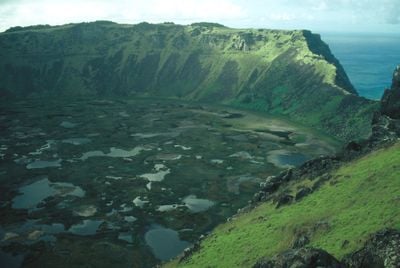
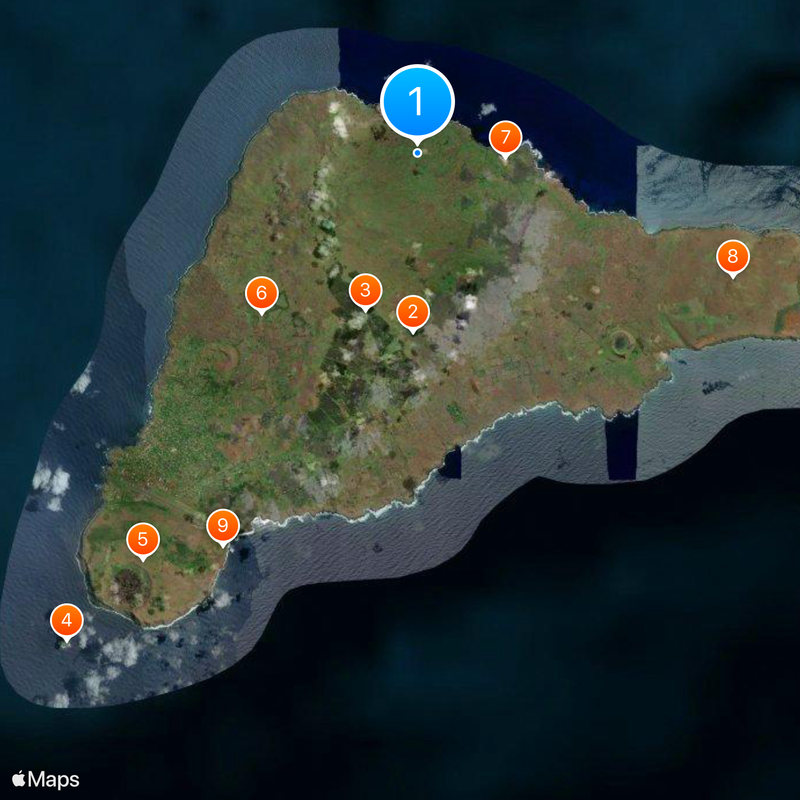
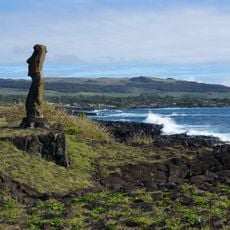
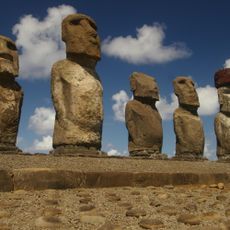
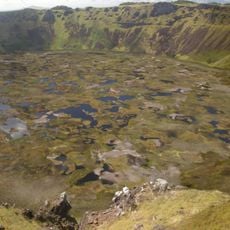
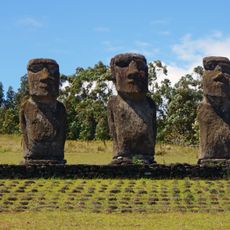
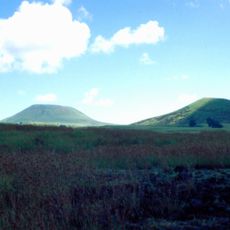
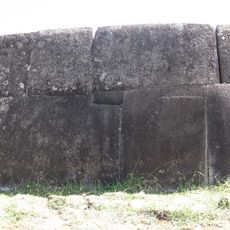
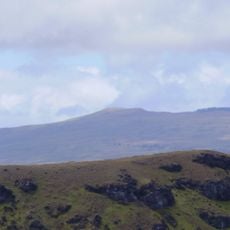
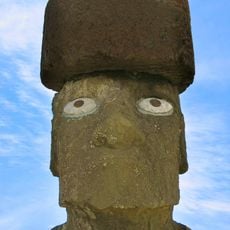
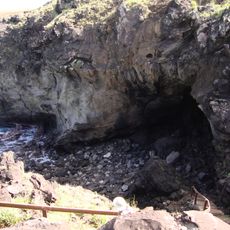
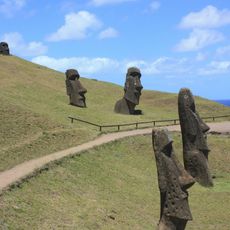
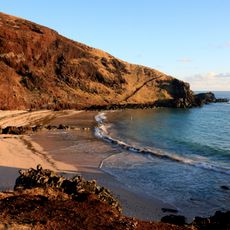
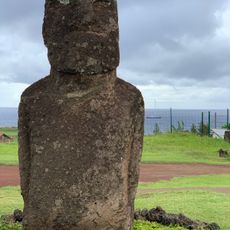
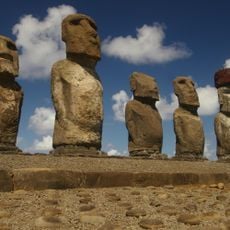
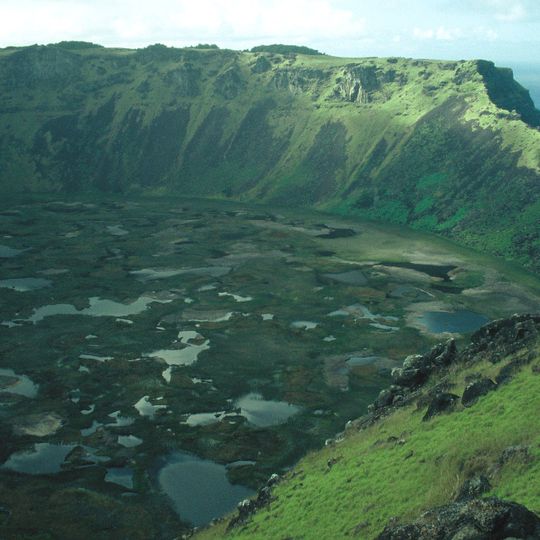
The park protects about 6,800 hectares of Easter Island and contains nearly 900 stone moai figures, multiple volcanic craters, and numerous archaeological sites scattered across the landscape. The statues stand on different slopes and plains, with some facing the ocean and others arranged in ceremonial groupings.
Polynesian settlers arrived on the island around the 4th to 12th century and later carved the moai figures from volcanic stone between the 14th and 17th centuries. The building of statues eventually slowed as the society transformed.
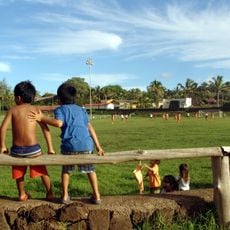
The local Rapa Nui community actively participates in managing the park and maintains traditional ceremonies tied to the land, which visitors can encounter during festivals and local gatherings. These practices remain central to how people on the island understand and interact with their surroundings.
Entry requires a ticket purchased at the park entrance, and visitors must stay on marked trails and within designated areas to protect the sites. Most of the main attractions can be seen over a few hours to a half-day walk, and guides are available to provide context and information.
The Rano Raraku quarry displays nearly 400 unfinished moai at different stages of carving, abandoned as work halted over time. Walking through reveals the ancient craftspeople's techniques, with stone still partially detached from the bedrock or showing tool marks.
The community of curious travelers
AroundUs brings together thousands of curated places, local tips, and hidden gems, enriched daily by 92,513 contributors worldwide.