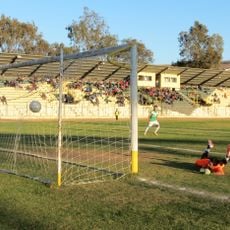
Huasco Bajo, Rural settlement in Atacama Region, Chile
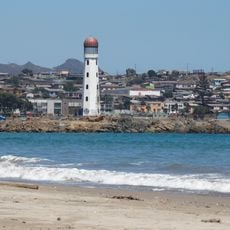
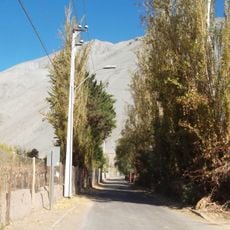
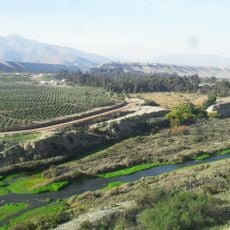
Huasco Bajo is a rural settlement along the southern bank of the Huasco River in the Atacama Region, framed by olive groves. The village lies approximately 4 kilometers from the coastal port city of Huasco.
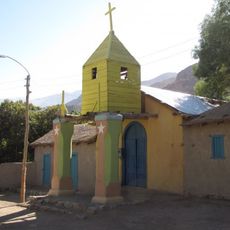
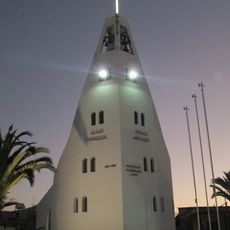
The area was originally known as Pallantume, where Spanish explorer Diego de Almagro encountered a substantial indigenous population in 1536. The valley's first church was constructed here in 1633, later rebuilt as the Church of Our Lady of the Rosary in 1933.
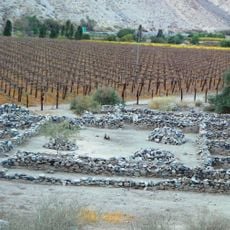
The settlement's identity centers on olive farming, a practice that shapes daily life and connects families across generations. This agricultural tradition has defined the landscape and local economy for centuries.
The settlement is accessible via the coastal route C-46, which connects Vallenar to Huasco and serves as the main transportation link. From here, visitors can easily access regional areas and reach Llanos de Challe National Park.
The settlement combines both family-run orchards and larger commercial operations that produce both table olives and olive oil on a significant scale. This blend of small and large agricultural enterprises makes it a quiet hub of regional farming production.
The community of curious travelers
AroundUs brings together thousands of curated places, local tips, and hidden gems, enriched daily by 90,757 contributors worldwide.