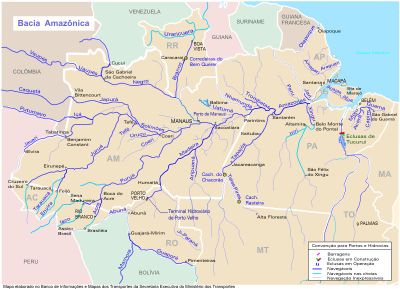
Amazon, South American river system in Northern Brazil.
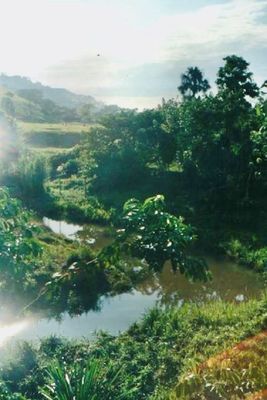
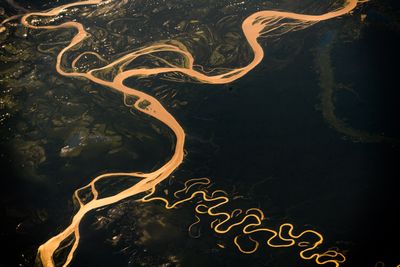
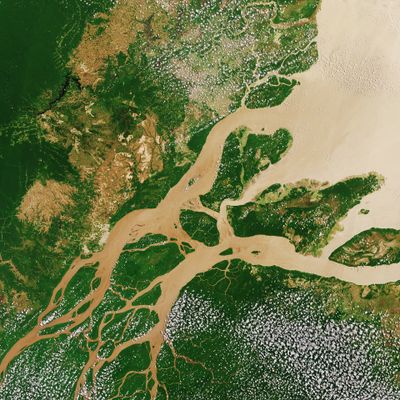
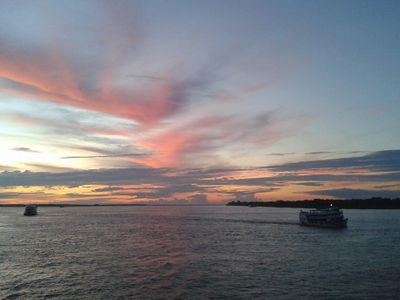
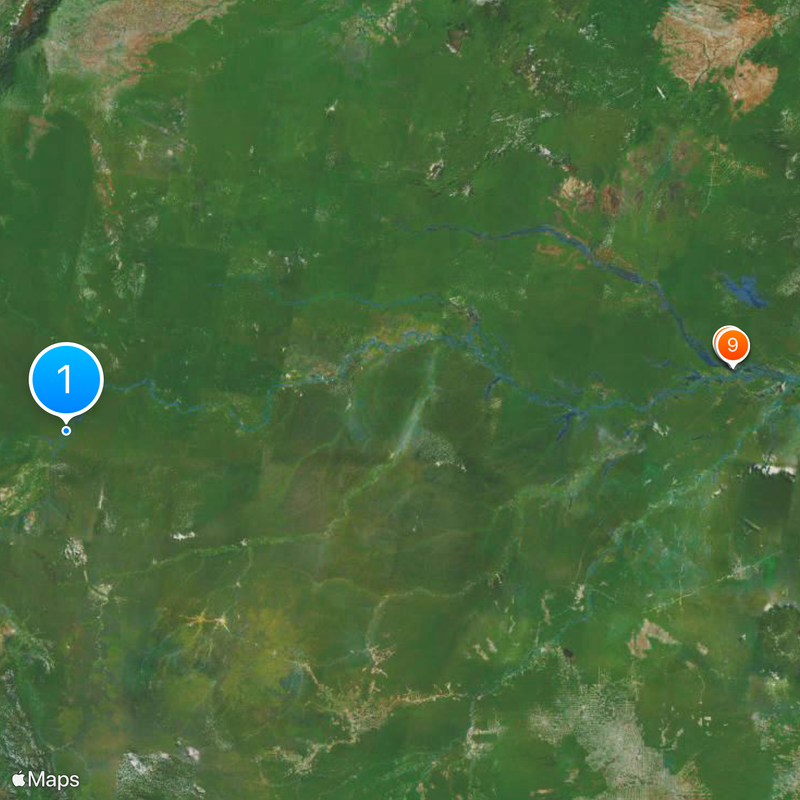
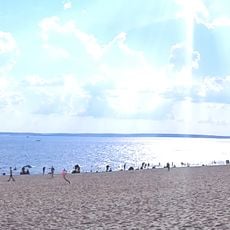
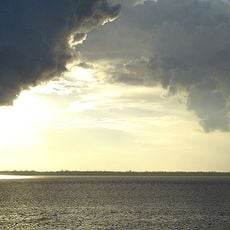
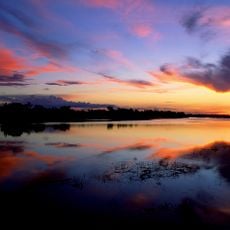
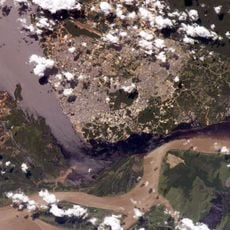
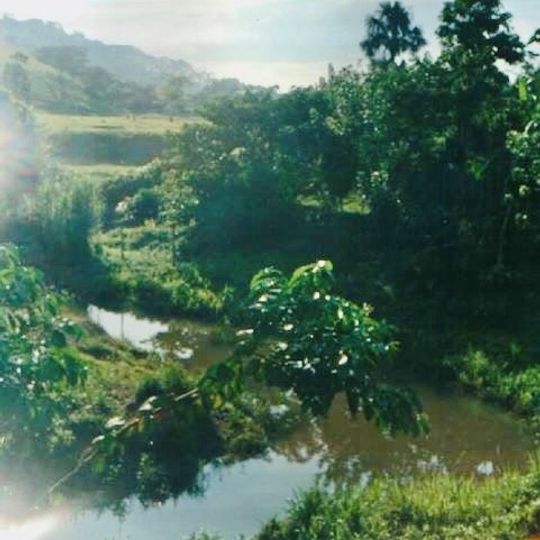
The Amazon is a river system in South America that runs through nine countries and reaches its greatest width on Brazilian territory. At some points it spans over 11 kilometers (7 miles) wide, with parts of the shoreline turning into shallow floodplains during the rainy season.
European explorers reached the river in the 16th century and named it after the warrior women they encountered in legends. For centuries the area remained difficult to access, until steamboats in the 19th century made transport and trade easier.
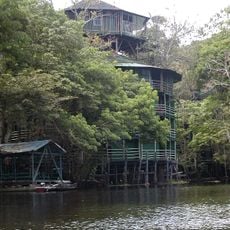
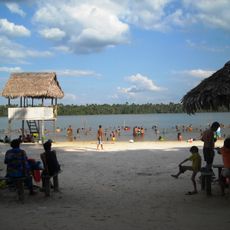
Indigenous communities live in villages along the banks, selling fish, woven baskets, and hand-carved wooden figures at floating markets. Their children paddle canoes to school, while families live in stilt houses and wash clothes and dishes at the river every day.
Access is usually by boat from cities like Manaus or Iquitos, with the rainy and dry seasons changing water levels and the width of channels dramatically. Long sleeves and insect protection are advisable because of the humid climate and many mosquitoes.
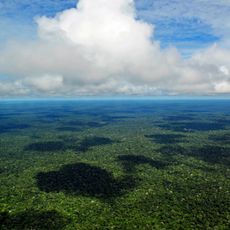
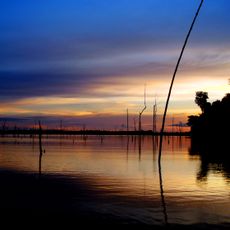
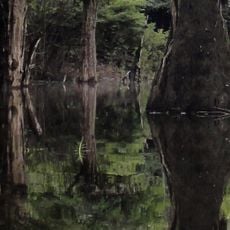
During the rainy season the water overflows its banks and floods the forest on both sides, allowing boats to navigate between tree trunks. Pink-colored dolphins swim in the murky water and are sometimes regarded by locals as bringers of good fortune.
The community of curious travelers
AroundUs brings together thousands of curated places, local tips, and hidden gems, enriched daily by 92,373 contributors worldwide.