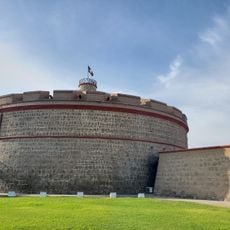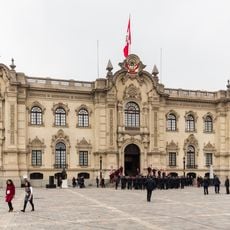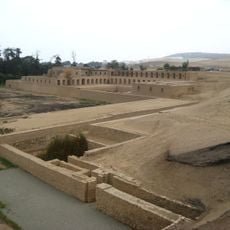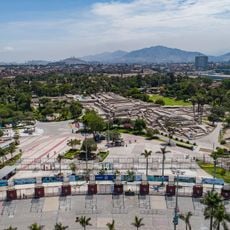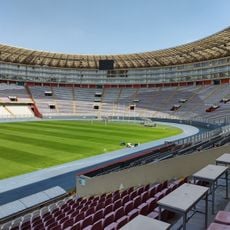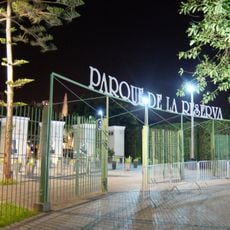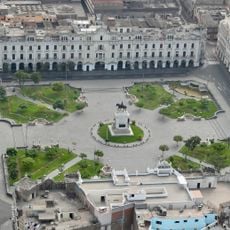
Lima metropolitan, Metropolitan area in coastal Peru
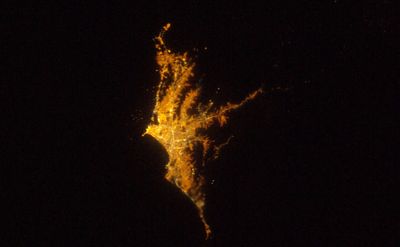
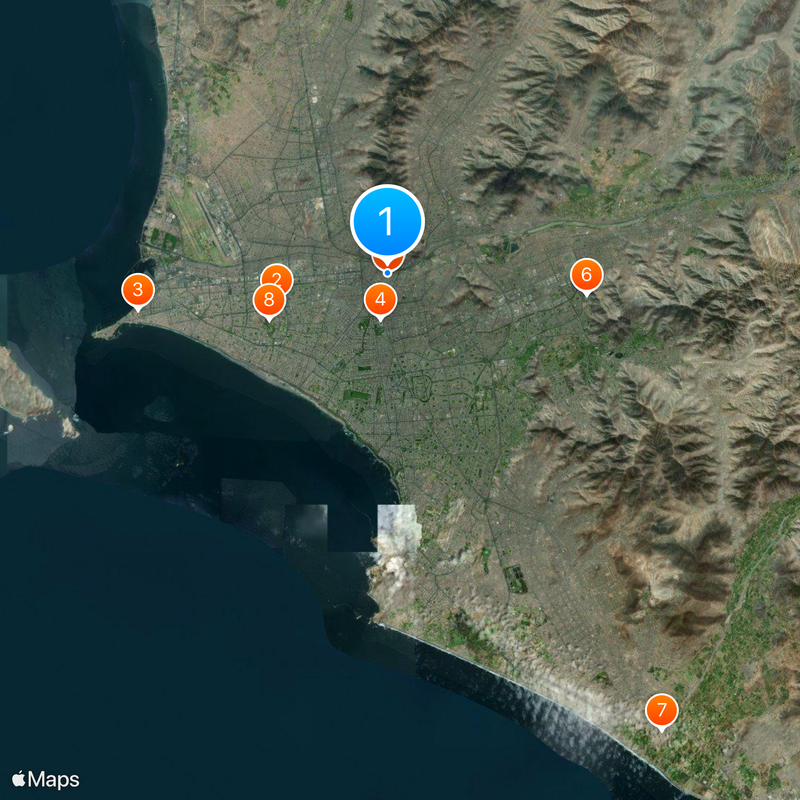
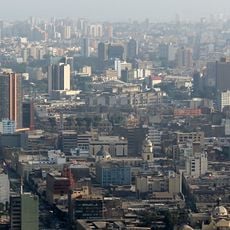
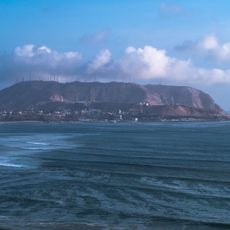
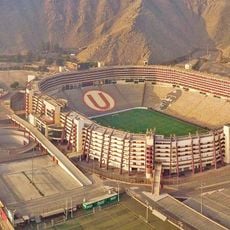
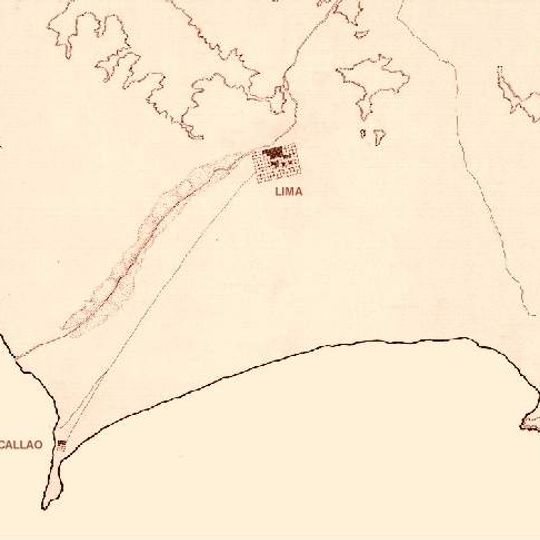
The Lima metropolitan region is an urban zone along the Pacific coast that spans two provinces with a total of fifty administrative districts. The terrain ranges from the coastal plain to the western slopes of the Andes, where lower hills meet flat land.
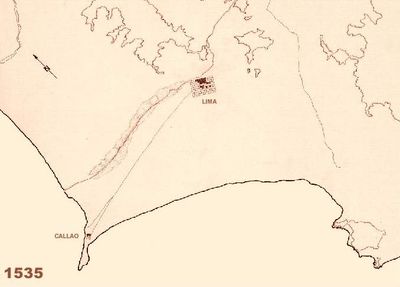
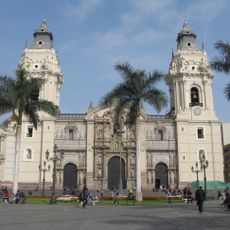
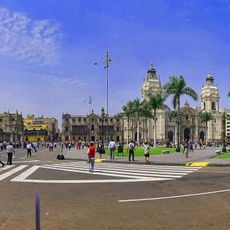
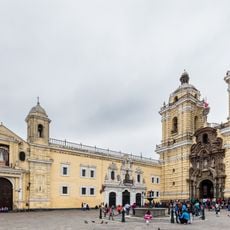
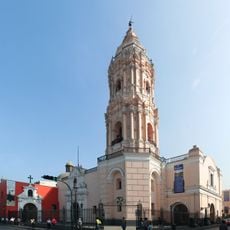
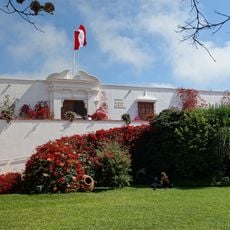
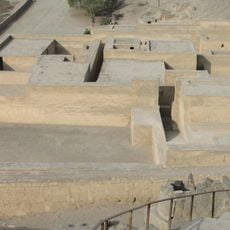
Spanish settlers founded this city in 1535 on the site of indigenous communities and made it the center of colonial administration for all of South America. Independence came in the 19th century, and during the 20th century the area grew rapidly through migration from the mountain regions.
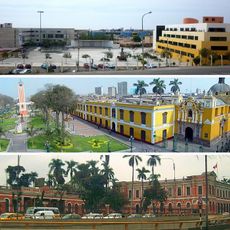
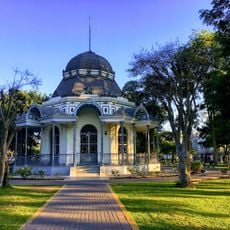
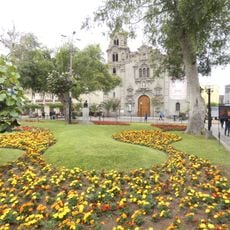
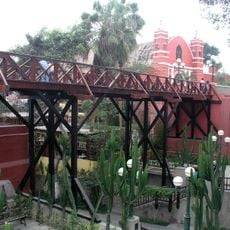
The three historic districts of Barranco, Miraflores, and San Isidro show distinct urban styles, from wooden balconies to glass high-rises. Residents spend weekends in the public parks along the Pacific coast or in the tree-lined squares with seating.
Visitors find public transport in most districts, with the Metropolitano bus line offering a fast route along the main axis. The international airport is on the border between both provinces and is well connected to all city areas.
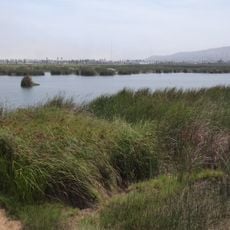
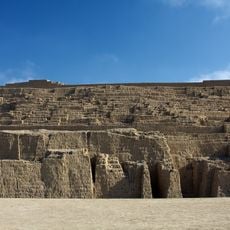
Three rivers cross the area from east to west and flow into the Pacific, with their dry valleys visible throughout the year. After Cairo, this is the second largest desert urban zone in the world, where rainfall occurs only during a few winter months.
The community of curious travelers
AroundUs brings together thousands of curated places, local tips, and hidden gems, enriched daily by 91,857 contributors worldwide.