Laguna de los Padres, Natural lake reserve near Mar del Plata, Argentina
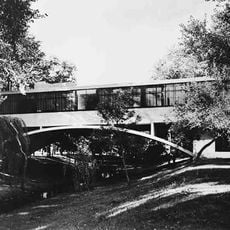
Laguna de los Padres is a shallow lake about 12 miles west of Mar del Plata, measuring 2,065 m long and 1,701 m wide, with a muddy bottom overgrown by algae, rushes and gambarussa. Eucalyptus and pine woods surround it, along with curro shrubs and the southernmost population of tala trees. A causeway links the shore to a small island with a rowing wharf.
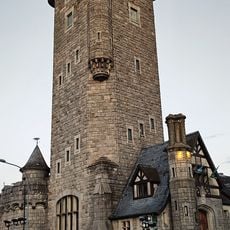
On 13 November 1746 the Jesuits José Cardiel and Tomás Falkner planted a cross beside the lake and founded the mission of Nuestra Señora del Pilar del Vuulcan. By 1 January 1751 about 1,200 indigenous people lived there, which allowed the governor of Buenos Aires to sign the founding act of the Pueblo del Pilar, the first town officially founded south of the Salado. Facing conflict with chieftain Nicolás Cangapol, the priest Matías Stroebel led an exodus that same year. The mission was rebuilt near the main entrance in the 20th century under the direction of historian Guillermo Furlong Cardiff.
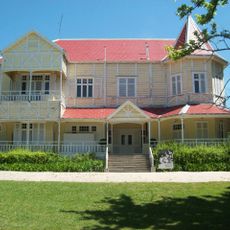
The lake's name comes from the Jesuit padres who founded the Nuestra Señora del Pilar mission here in 1746; Spanish maps of the period instead called it Laguna de las Cabrillas, lake of the goats, though the animals actually abundant were pampas deer. The nearby farmhouse where José Hernández, author of Martín Fierro, lived briefly as a child now houses the Museo Municipal José Hernández.
Access is from km 12.5 of National Route 226, about 12 km from central Mar del Plata. The 687-hectare reserve is split into three zones: an intangible area with no access, a conservation zone open on foot, and intensive-use areas where recreation is allowed. Rowboats launch from a wharf on a small island reached by a causeway; combustion-engine craft are banned.
The lake's name comes from the Jesuit Fathers, but 18th-century Spanish maps labelled it Laguna de las Cabrillas, "lake of the goats", though no goats lived there: the abundant animal was the pampas deer. The reserve also protects the southernmost population of tala trees and some elderberry specimens.
The community of curious travelers
AroundUs brings together thousands of curated places, local tips, and hidden gems, enriched daily by 94,455 contributors worldwide.