Tafí Viejo, town in Tucumán, Argentina
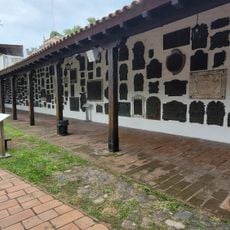
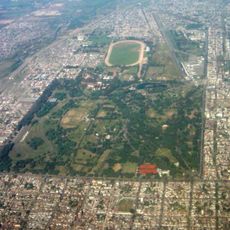
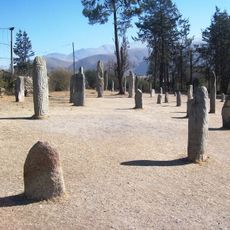
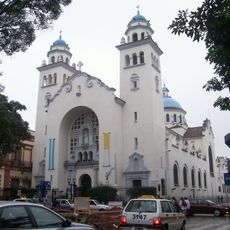
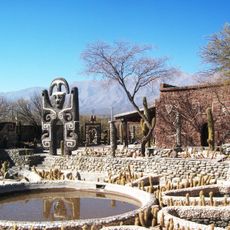
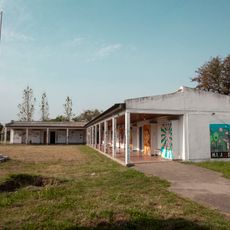
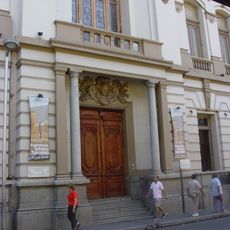
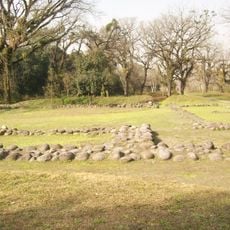
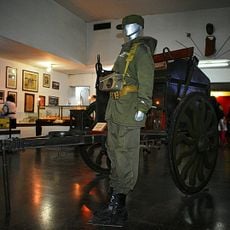
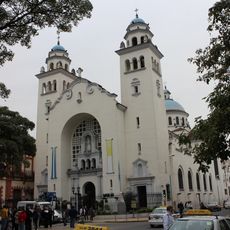
Tafí Viejo is a city in the Tafí Viejo Department near San Miguel de Tucumán and serves as the administrative center of its department. The city forms the heart of the major citrus growing region and has two main visitor centers: the Railway Museum showing historical railway tools and artifacts, and the Thaaui Archaeological Interpretation Center displaying ancient cultural remains and findings.
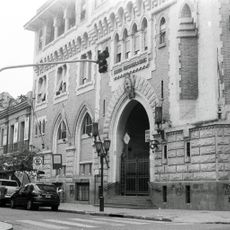
The city started as a summer resort town and grew significantly through the railway workshops called Talleres Ferroviarios, which attracted many workers from outside the region in the early 1900s. In 1939 it became an independent municipality, and in 1976 it became the capital of its newly created department.
The name comes from the 1500s and originally meant "place where cold air blows," derived from an Aymara word. The city shows its identity through the yearly National Lemon Festival, where people celebrate their tradition as the country's main citrus growing area and bring together music, folklore, and regional pride.
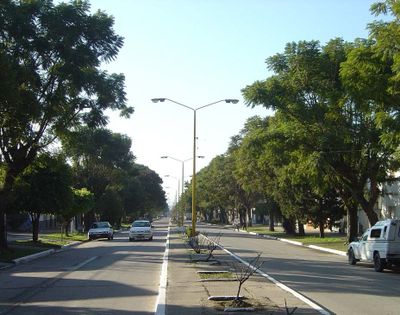
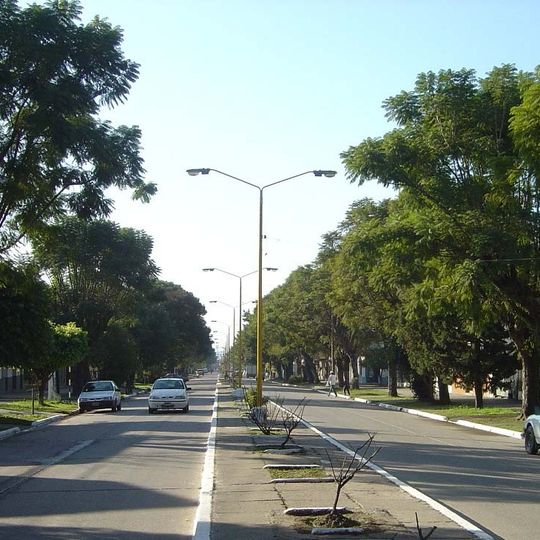
The main social areas of the city are along Avenida Leandro N. Alem with shops and cafes, while the railway workshops are located east of the city center. Key roads such as Route 315 and Avenida Constitución connect the city to Tucumán and nearby towns, making travel easier for visitors.
Inside the Municipal Market stands the Hombre del Reloj, a unique artwork in South America that depicts a person inside a clock showing the passage of time with moving hands. This object creatively symbolizes the link between human life and time, which holds special meaning in a city with such an industrial past.
The community of curious travelers
AroundUs brings together thousands of curated places, local tips, and hidden gems, enriched daily by 60,000 contributors worldwide.