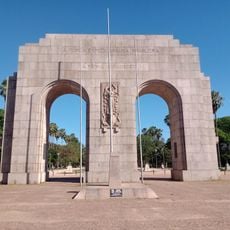
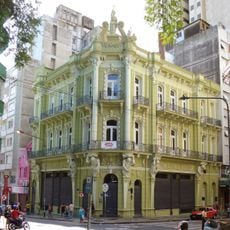
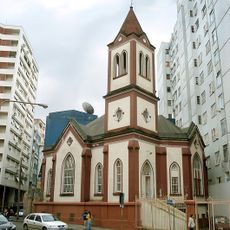
Hidráulica Moinhos de Vento, Water treatment facility in Moinhos de Vento district, Brazil.
Hidráulica Moinhos de Vento is a water treatment facility with eclectic architecture set in Porto Alegre. The grounds span six hectares with French-inspired gardens and decorative statues representing rivers that feed Guaíba Lake.
The Companhia Hidráulica Guaibense, founded in 1886, began distributing untreated water from Lake Guaíba in 1891 to 1,065 homes. In 1899 it built a reservoir in Moinhos de Vento, and the city bought the company on 1 October 1904 for 423 contos de réis. A treatment station designed by Jules Villain began operating in 1907; the Ulen and Company modernization, with engineer Charles Lusk and builder Theo Wiedersphan, was inaugurated on 15 November 1928.
The site has housed the Antonio Klinger Filho Historical-Cultural Center since 1986, offering contemporary art exhibitions and cultural events throughout the year. Visitors experience rotating displays and performances in these spaces.
The complex stands in the Moinhos de Vento neighbourhood, at the site of the reservoir built in 1899 on what was then the edge of the urban area. The gardens, laid out after the Versailles model, connect the treatment buildings, the 1928 elevated tower and the fountain holding the Guaíba tributary statues. The DMAE headquarters still operates here, so some areas are administrative and not open to visitors.
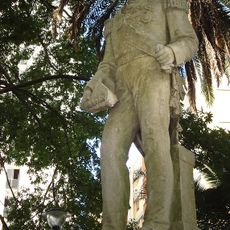
The fountain in the gardens holds the statue group Os Afluentes do Guaíba, moved there in 2014 from Praça Dom Sebastião. The figures were made for a public fountain installed on Praça da Matriz in 1867; missing parts were not recreated after vandalism.
The community of curious travelers
AroundUs brings together thousands of curated places, local tips, and hidden gems, enriched daily by 93,013 contributors worldwide.