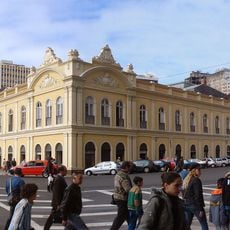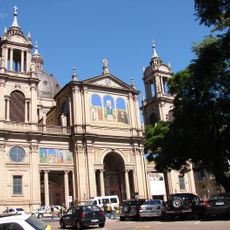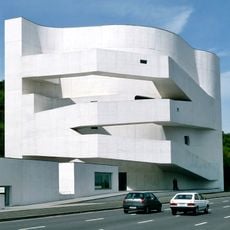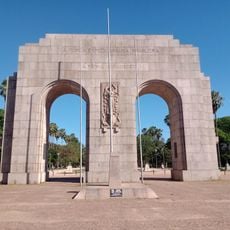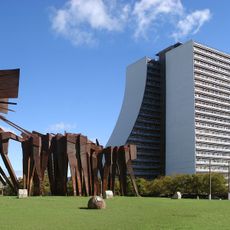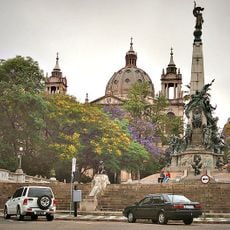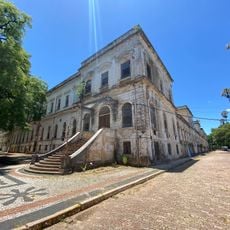
Porto Alegre, Capital city in Rio Grande do Sul, Brazil
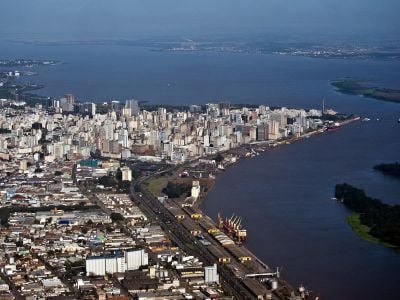
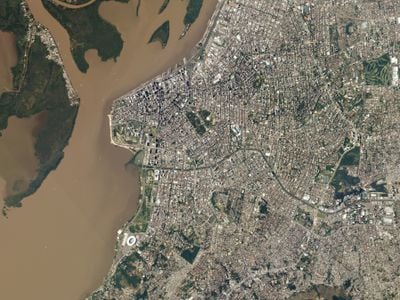
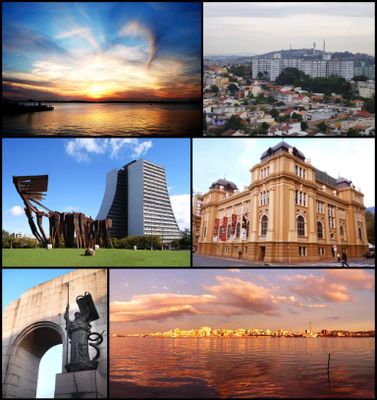
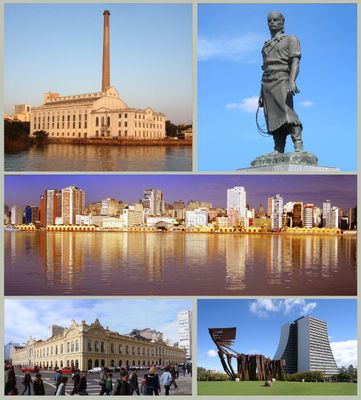
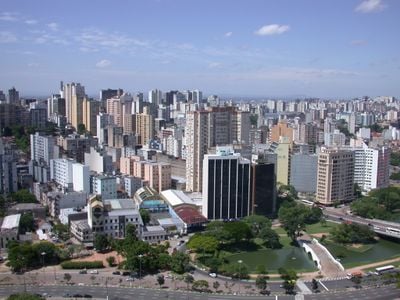
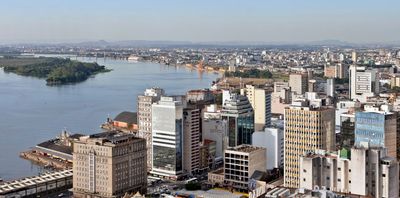
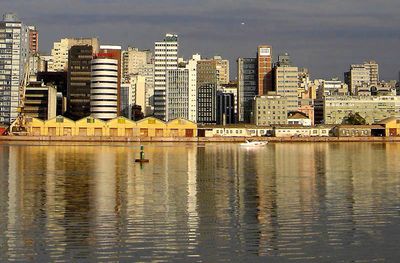
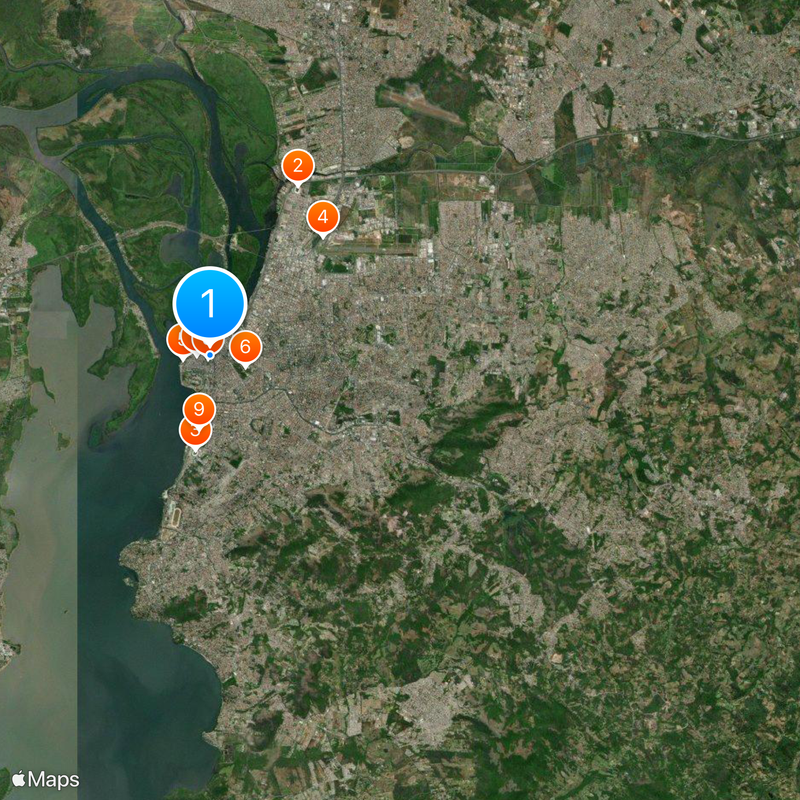
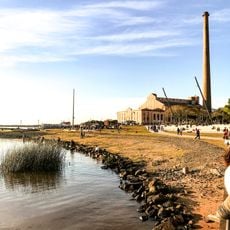
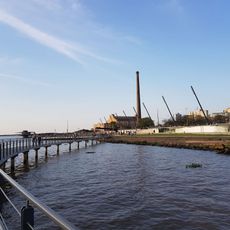
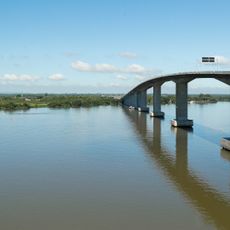
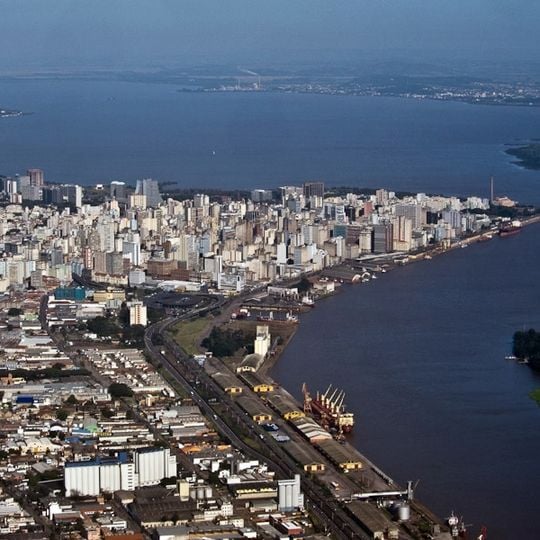
Porto Alegre occupies the eastern shore of Guaíba Lake, where five rivers converge to form a major transportation point in southern Brazil. The municipality divides into more than 80 neighborhoods that spread from the waterfront promenade inland toward residential districts on higher ground to the east.
The area was settled in 1752 by sixty couples from the Azores and officially became a city on March 26, 1772. Waves of European immigration during the 19th century, particularly from Germany and Italy, transformed the settlement into a commercial center for the southern region.
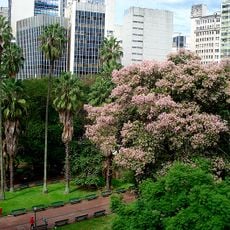
Residents gather in neighborhood parks on Sunday afternoons for chimarrão circles, sharing mate tea while socializing with friends and family. Street markets throughout the week sell fresh produce, handicrafts, and regional products that reflect the agricultural traditions of the surrounding region.
Salgado Filho International Airport connects visitors to major Brazilian cities and offers regular flights to neighboring countries in South America. Public transportation includes buses and suburban trains that link different neighborhoods and reach outlying areas across the metropolitan region.
In 1989, the municipality introduced a participatory budgeting model that lets residents vote on how public funds should be allocated for local projects. This system has since been adopted by more than 1500 cities worldwide and changed how communities manage municipal spending.
The community of curious travelers
AroundUs brings together thousands of curated places, local tips, and hidden gems, enriched daily by 92,046 contributors worldwide.