Aldeia de Carapicuíba, Historic Jesuit settlement in Carapicuíba, Brazil
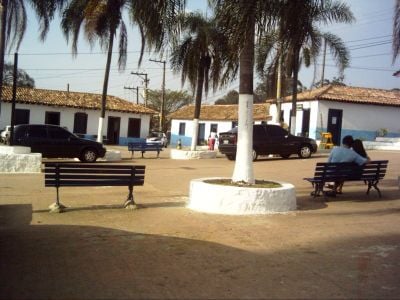
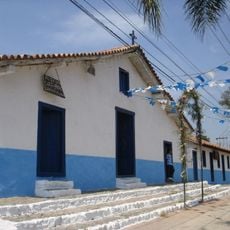
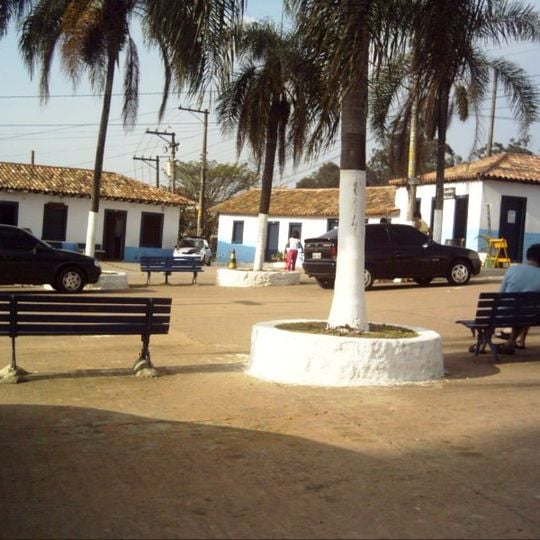
The Aldeia de Carapicuíba is a historic Jesuit settlement from colonial Brazil organized around a rectangular plaza with small attached houses built from rammed earth and topped with double-sloped roofs. The site also includes education facilities and healthcare units that continue to serve residents today.
Jesuit Father José de Anchieta founded this settlement in 1580 as one of twelve villages created to educate indigenous peoples in Catholic faith near São Paulo. It was part of a larger mission effort to establish Christian communities across the region.
The name means "village" in Portuguese, reflecting its purpose as a cohesive community. You can see how Catholic and indigenous traditions blend in the celebrations and daily life of residents who maintain their connection to this shared heritage.
The settlement is easily accessible by public transportation through Inocêncio Seráfico Avenue and has schools and healthcare services within the area. Visiting during daytime hours lets you see the buildings and plaza life in good lighting and observe daily activities.
This is the only preserved Jesuit village from the colonial era among the twelve originally founded near São Paulo de Piratininga. Its survival to today makes it a rare example of how early mission communities were laid out and organized.
The community of curious travelers
AroundUs brings together thousands of curated places, local tips, and hidden gems, enriched daily by 91,240 contributors worldwide.