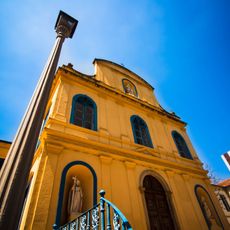
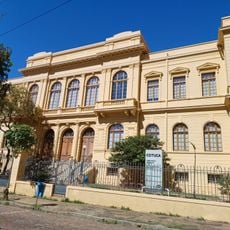
Mercado Municipal de Campinas, Historic market hall in Campinas, Brazil
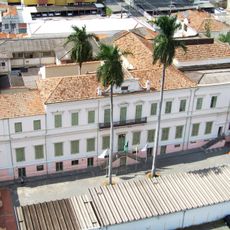
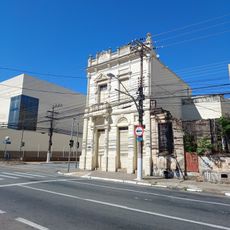
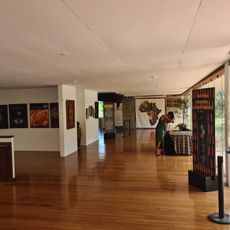
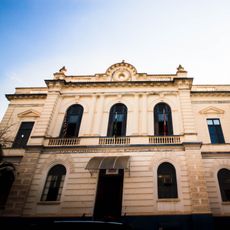
The Mercado Municipal de Campinas is a covered market hall from the early 20th century in central Campinas, built in a Moorish style with high arched ceilings and light entering from above. The interior is divided into rows of stalls where vendors sell fresh produce, spices, flowers, and prepared traditional foods.
In 1905 José Paulino Nogueira Ferraz won the contract to build a market in Campinas, transferring the rights to his father Luiz Nogueira; the foundation stone was laid in 1907 on Praça Correia de Mello. The building, designed by the Escriptorio Technico de Architectura Ramos de Azevedo and executed by the contractors Irmãos Mazzini, opened on 12 April 1908 under mayor Orosimbo Maia. The Nogueira family ran it for 20 years until 1925, when it reverted to municipal ownership and took the name Mercado Municipal de Campinas.
The market has long served as a social meeting place where people from different backgrounds of the city come together to shop and interact with one another. This role as a public gathering space continues to shape how locals use the place today.
The market is open most weekdays and the covered structure makes it a good option in any weather. The interior has several sections worth exploring on foot, so allowing extra time to walk through the different areas is a good idea.
The Carlos Botelho railway station opened beside the market in 1908, the same year the market was inaugurated, on a 1.3 km extension of the Funilense line from Guanabara station. It stopped operating at that spot in 1925, when services moved to the Sorocabana railway's Bonfim station.
The community of curious travelers
AroundUs brings together thousands of curated places, local tips, and hidden gems, enriched daily by 92,785 contributors worldwide.