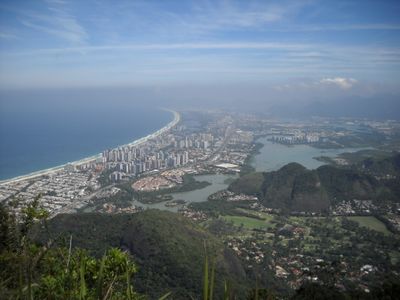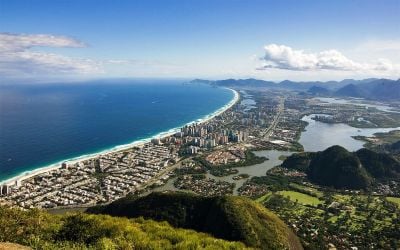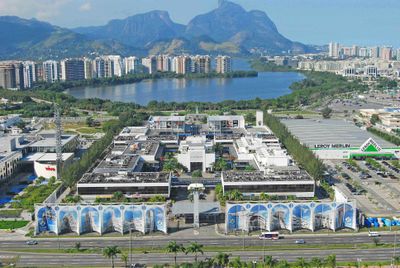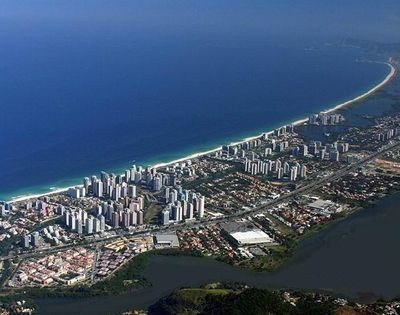
Barra da Tijuca, Modern coastal district in Rio de Janeiro, Brazil.
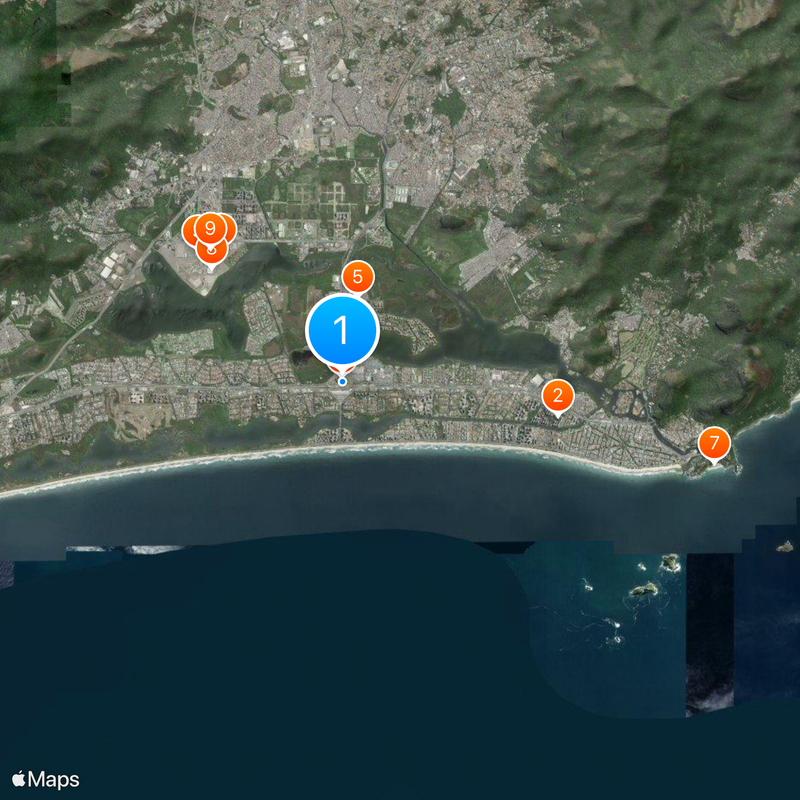
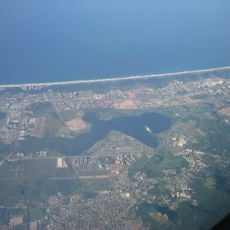
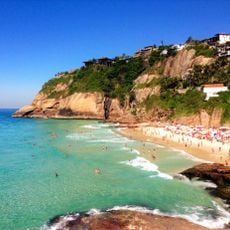
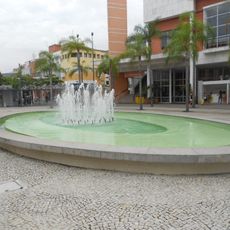
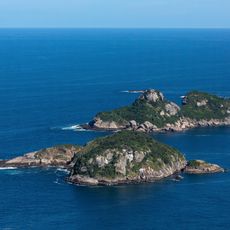
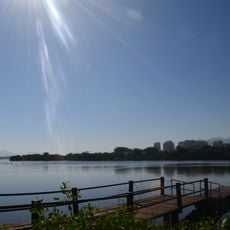
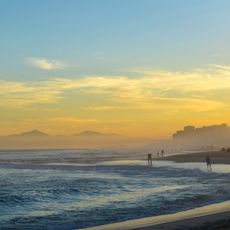
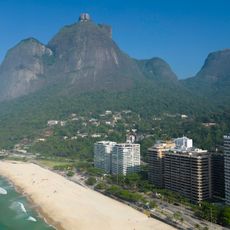
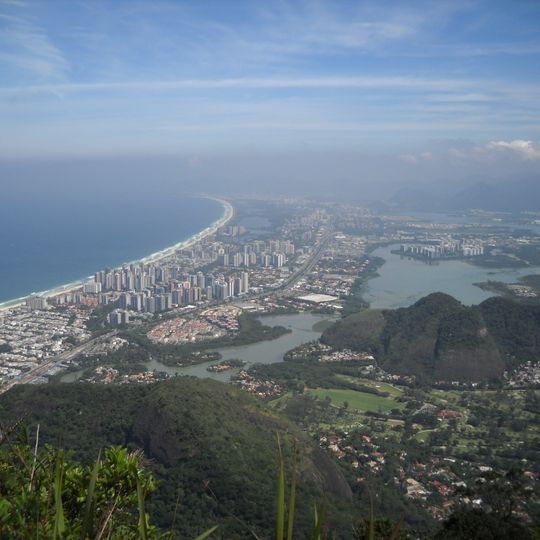
Barra da Tijuca is a modern coastal district in western Rio de Janeiro, extending along a roughly 17-kilometer sandy strip beside the Atlantic Ocean. Wide avenues, residential towers, shopping centers, and entertainment complexes shape the layout of this expansive neighborhood, bordered by lagoons and low mountains in the hinterland.
Until the 1970s, the area remained largely undeveloped and consisted mainly of lagoons, marshes, and stretches of beach. The construction of the Lagoa-Barra expressway created the connection to the city's South Zone and triggered rapid urban expansion from the mid-1970s onward.
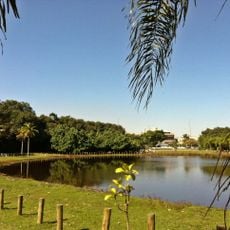
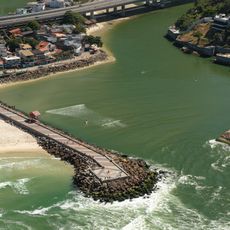
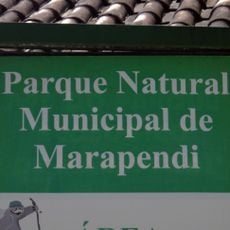
The name refers to the sandbank at the mouth of Jacarepaguá Lagoon, which extends into the sea and once served as a defining geographic feature of the area. Today, the relaxed beach culture is reflected in open plazas, extended green spaces, and wide cycling paths that locals use for jogging, biking, and outdoor sports.
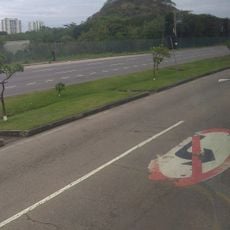
Several bus lines and metro line 4 connect the neighborhood to the center and other districts, while well-maintained roads make access by car easier. For visitors, it helps to keep distances in mind, as routes within the area are often long and renting a bicycle or using taxis and ride services can be helpful.
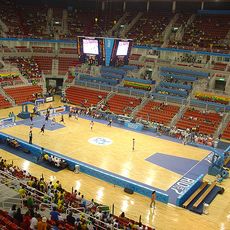
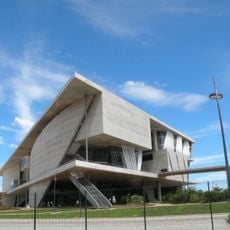
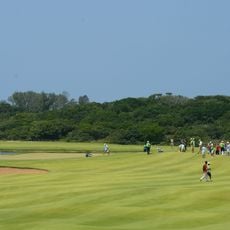
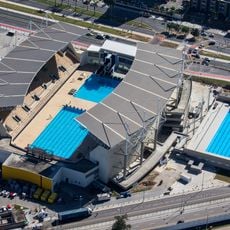
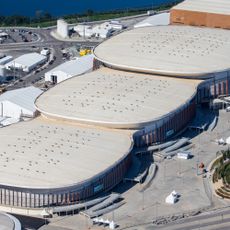
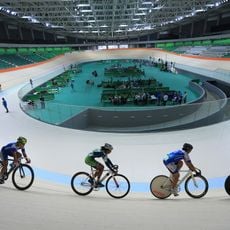
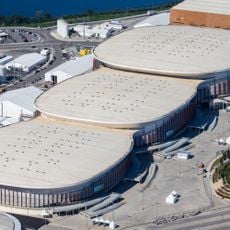
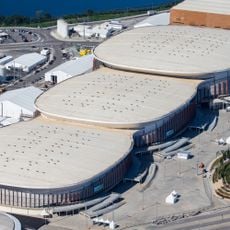
The district hosted numerous sports venues and competition sites during the 2016 Summer Olympics, which led to extensive infrastructure work and the construction of specialized facilities. Many of these installations continue to be used today for training, competitions, and public events and shape the cityscape in some areas.
The community of curious travelers
AroundUs brings together thousands of curated places, local tips, and hidden gems, enriched daily by 90,742 contributors worldwide.