Museu de História e Artes do Estado do Rio de Janeiro, History and art museum in Ingá, Niterói, Brazil
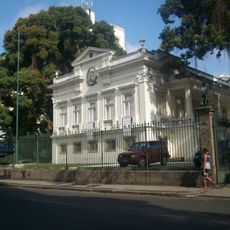
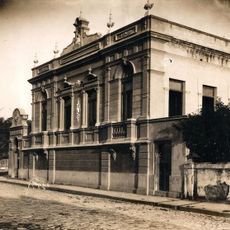
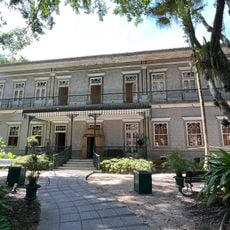
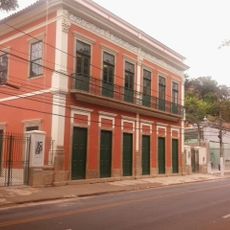
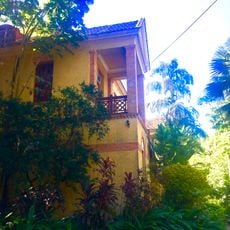
The Museu do Ingá occupies the Palácio Nilo Peçanha, also called Palácio do Ingá, on Rua Presidente Pedreira in the Ingá neighborhood of Niterói. The 19th-century palace was remodeled in 1907 by architect René Badra and received a third floor and a swimming pool in 1967. It houses some 4,800 pieces, including furniture, porcelain, paintings, and works by Mestre Vitalino and Zé Caboclo.
The building was sold in 1896 to José Francisco Correia, Viscount of Sande, who renovated it as the Palacete Sande. In 1903 governor Nilo Peçanha bought it as the seat of the Rio de Janeiro state government. It was remodelled in 1907 and expanded in 1920 and 1967, when it was renamed Palácio Nilo Peçanha. After the 1975 state merger it lost its political role; the museum was created by decree in March 1977 and received its current name in 1991.
The museum displays regional artworks and historical documents that tell stories about how Niterói developed and changed over time. The collections show how people lived, worked, and expressed themselves through art and preserved records that visitors can still see today.
The museum sits on Presidente Pedreira Street in the Ingá neighborhood and opens Wednesday through Saturday. Plan your visit with enough time to view the exhibitions comfortably without rushing through the galleries.
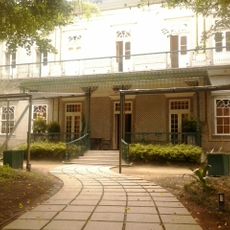
Behind the main building, annexes that once housed the palace staff now hold plastic arts workshops and courses. The garden at the rear keeps part of the layout from its time as the governors' official residence and is open to the public.
The community of curious travelers
AroundUs brings together thousands of curated places, local tips, and hidden gems, enriched daily by 93,578 contributors worldwide.