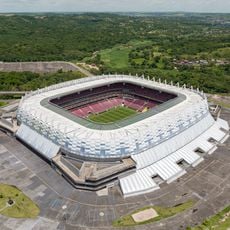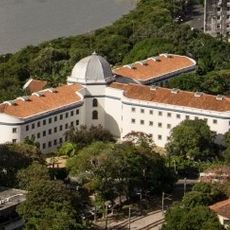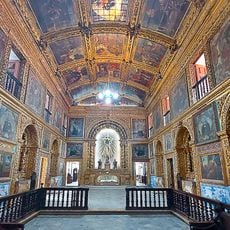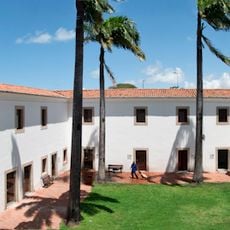
Recife, Port capital city in Pernambuco, Brazil.
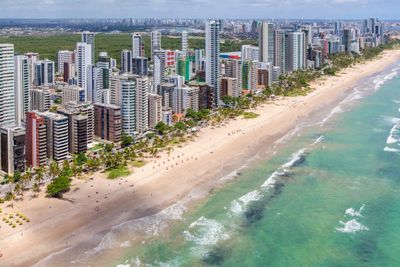
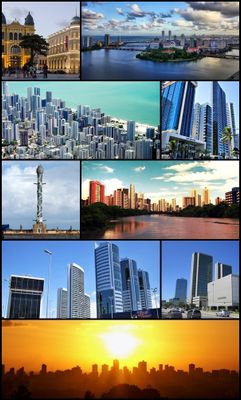
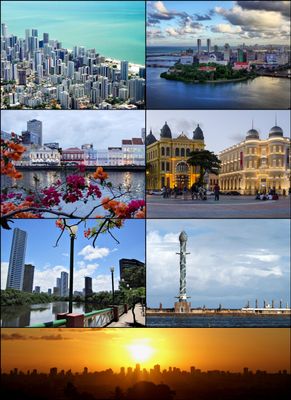
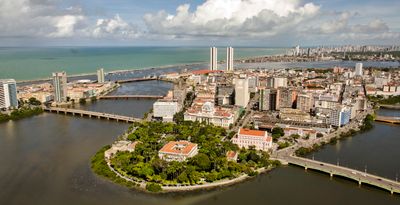
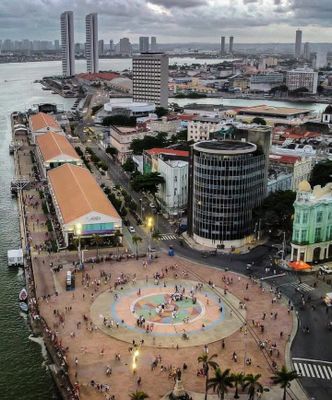
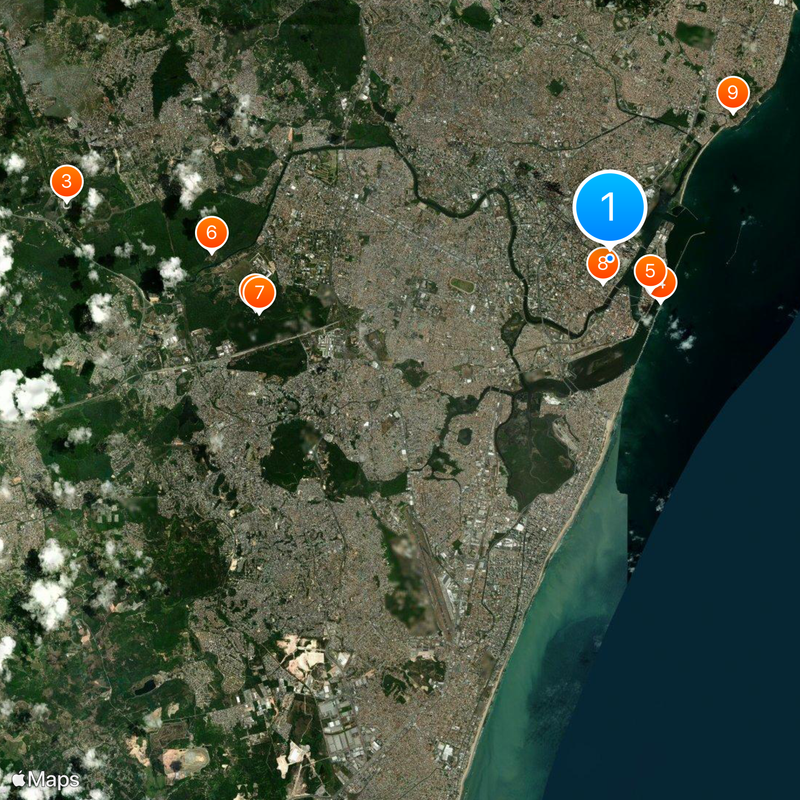
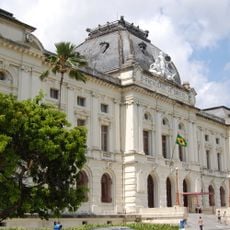
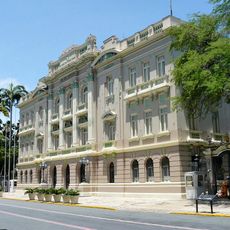
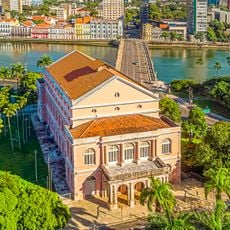
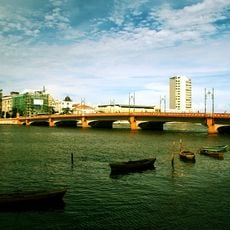
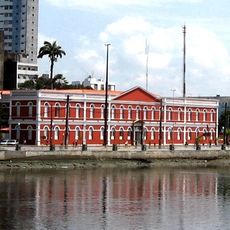
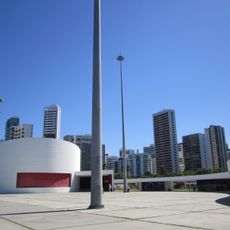
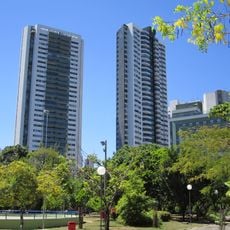
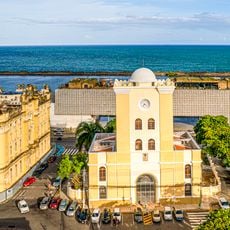
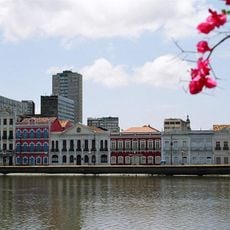
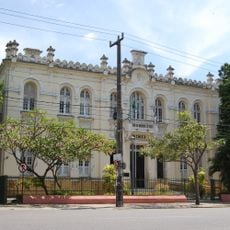
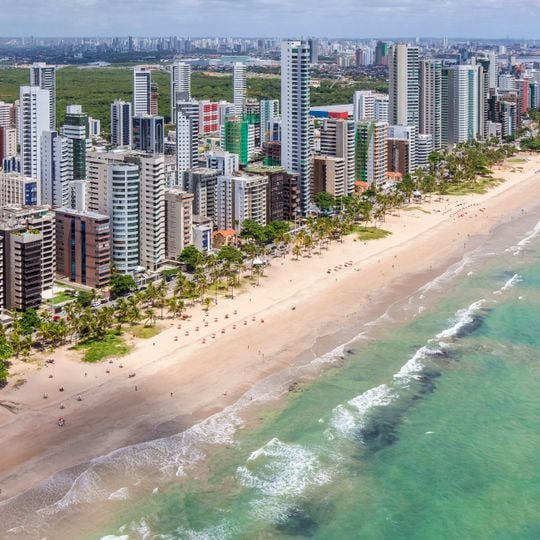
Recife extends across islands and peninsulas at the meeting point of Beberibe and Capibaribe rivers, connected by more than 50 bridges spanning the waterways. The coastline shows sandy beaches next to port basins, while the inner city combines high-rise buildings with low colonial structures in colored plaster.
The city evolved from a 16th-century port handling sugar exports to become the capital of Pernambuco in 1827 after periods of Portuguese and Dutch control. During Dutch occupation between 1630 and 1654, canals, bridges and planning elements emerged that still shape the layout today.
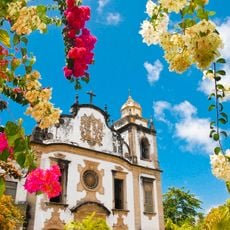
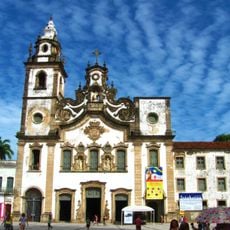
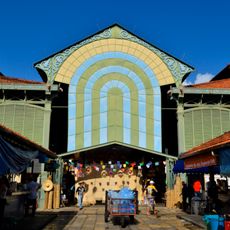
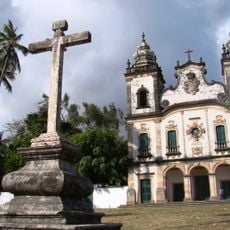
The annual carnival celebrations feature the enormous Galo da Madrugada street parade, accompanied by traditional frevo dance and maracatu drum performances. In the streets of the old town, colonial church facades mix with market halls where vendors offer regional specialties and handmade crafts.
The city is best explored on foot in the central neighborhoods, while taxis and buses serve longer distances between the islands. The summer months from December to March bring frequent rain, so light, quick-drying clothing is useful.
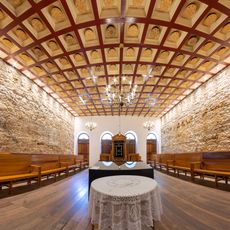
The Kahal Zur Israel Synagogue, constructed during Dutch occupation in the 1640s, remains the oldest Jewish temple in the Americas. Beneath the modern building, archaeologists uncovered layers of the original synagogue that visitors can view through glass floors.
The community of curious travelers
AroundUs brings together thousands of curated places, local tips, and hidden gems, enriched daily by 91,693 contributors worldwide.