Centro Histórico do Recife, Colonial district in Recife, Brazil
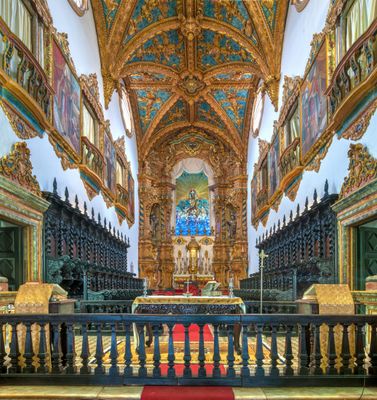
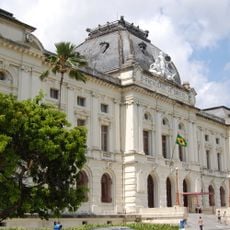
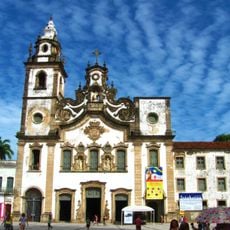
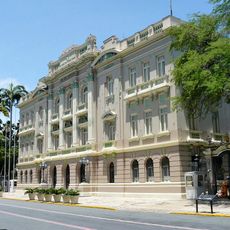
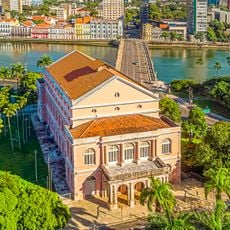
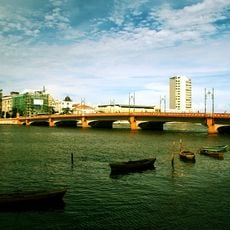
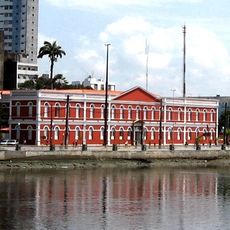
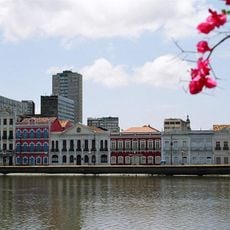
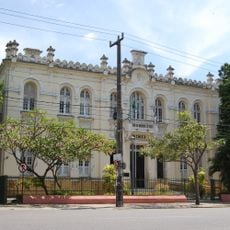
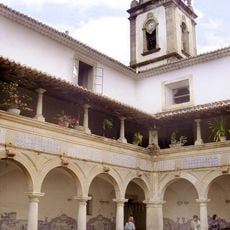
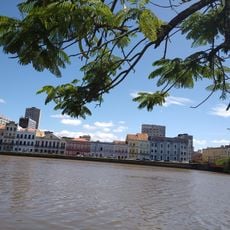
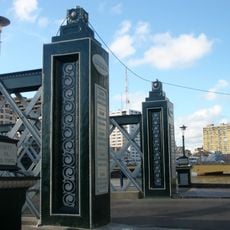
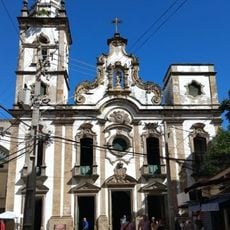
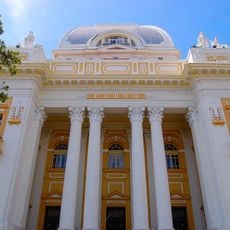
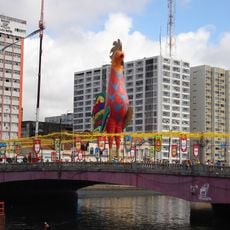
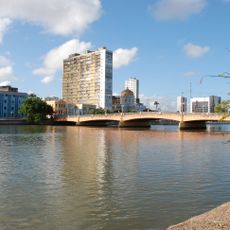
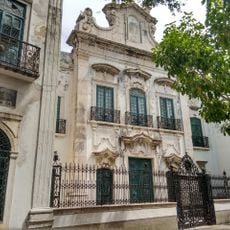
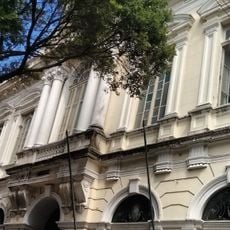
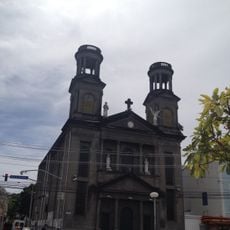
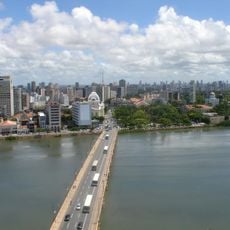
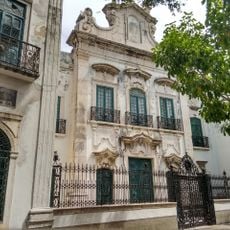
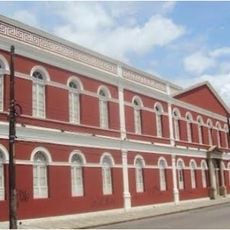
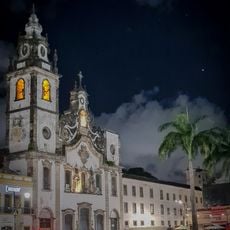
Centro Histórico do Recife is an old district featuring cobblestone streets lined with colonial-era buildings and multiple bridges crossing the Capibaribe River. The structures display Portuguese architectural characteristics from the 1500s, with some Dutch influences visible in the overall urban layout and design.
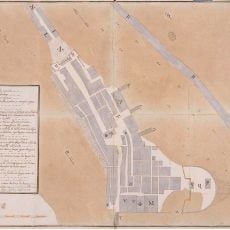
The district was established in 1537 as a major port under Portuguese rule and underwent significant transformation when the Dutch controlled the area from 1630 to 1654. This period left lasting marks on the architecture and urban layout that remain visible in the streets today.
Marco Zero square serves as the meeting point where locals gather for regional music festivals and celebrate frevo dance traditions throughout the year. The streets around it come alive with performances that express the community's connection to these art forms.
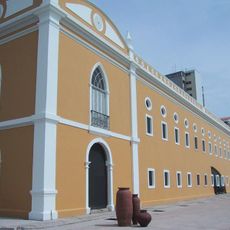
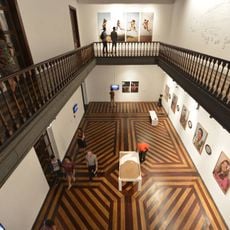
The district is best explored on foot, with cobblestone streets and bridges that are easy to navigate, though comfortable shoes are recommended. A craft center here showcases regional handmade items and provides a good overview of local artisan traditions.
On Rua Bom Jesus stands a synagogue with a remarkable place in the history of the Americas. It was the first structure of its kind built on this continent, making it a site of unexpected historical importance.
The community of curious travelers
AroundUs brings together thousands of curated places, local tips, and hidden gems, enriched daily by 91,781 contributors worldwide.