Ponte Maurício de Nassau, Stone bridge in central Recife, Brazil
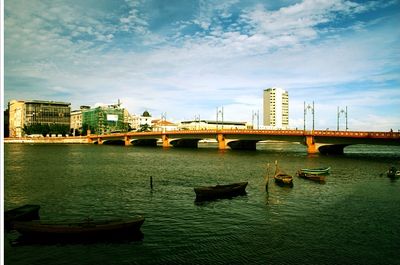
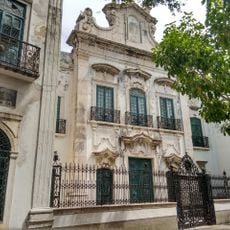
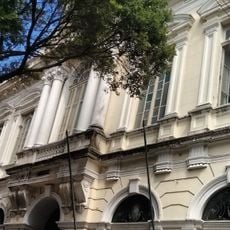
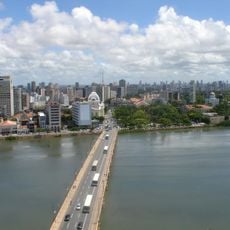
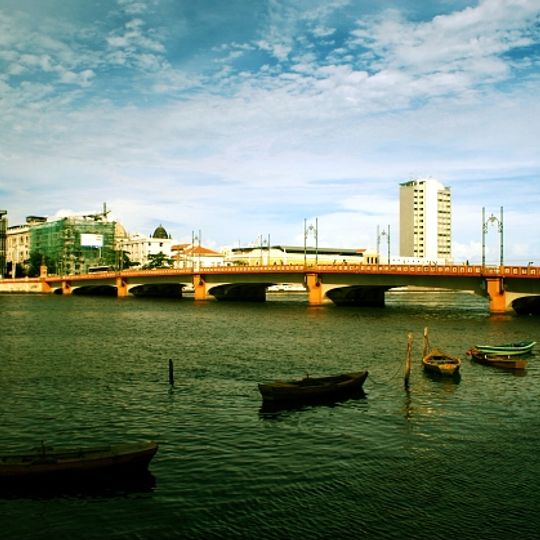
Ponte Maurício de Nassau spans the Capibaribe River and connects the districts of Recife and Santo Antônio with five statues positioned at its ends and center. The structure displays architectural features that reflect different phases of its existence and shape the appearance of the central city area.
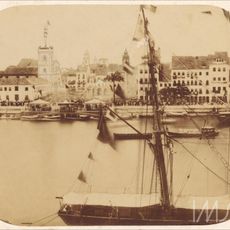
Constructed in 1644 as Brazil's first major bridge, the structure underwent renovations in 1742 and was rebuilt with iron in 1865. The name honoring a Dutch colonial administrator was adopted in 1917 to recognize a significant figure from the region's early modern history.
The arches at both ends display Catholic imagery that reflects the religious importance of crossing the river for the city's residents. Walking across, you notice how this passage has long connected not just districts but also the spiritual life of different communities.
The bridge serves pedestrians and vehicles as a main connection between central neighborhoods, offering access to commercial districts. When crossing, watch for traffic and choose times when the river and surrounding areas are most visible for better views.
A curious story tells of rumors about a flying ox spread during the opening to attract curious crowds and generate toll revenue. This episode shows how creatively early city administrators generated attention and income from the crossing.
The community of curious travelers
AroundUs brings together thousands of curated places, local tips, and hidden gems, enriched daily by 92,367 contributors worldwide.