Palácio do Campo das Princesas, Government palace in Recife, Brazil
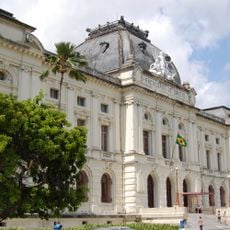
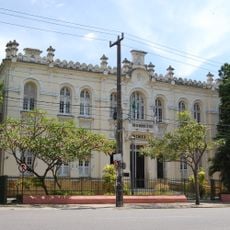
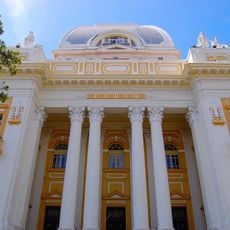
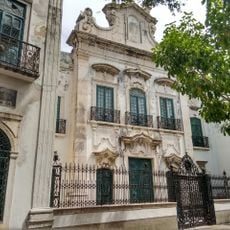
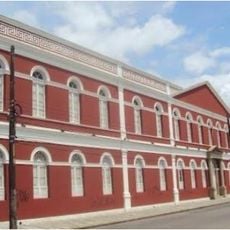
The Palácio do Campo das Princesas is the seat of Pernambuco's executive government, on Praça da República in Santo Antônio, Recife. The 1841 building by engineer Firmino Herculano de Morais Âncora had two floors, a wide central door flanked by four smaller ones, and windows along the front. A floor was added across the whole body in 1920–1922, giving the present eclectic complex, whose 1920s lighting ran through 75,000-candle points in lead conduits.
The idea of a new governors' residence on the site dates to 1786, under governor José César de Menezes, near the ruins of Maurício de Nassau's Palácio de Friburgo. In 1841 governor Francisco do Rego Barros, later Count of Boa Vista, had engineer Firmino Herculano de Morais Âncora build the two-storey Provincial Palace on the site of the Erário Régio. A 1859 renovation to host Emperor Dom Pedro II, Empress Teresa Cristina and their daughters gave the palace the name Campo das Princesas, first used for the garden.
The name comes from the garden created for the 1859 visit of Emperor Dom Pedro II, his wife Teresa Cristina and their daughters, whom Pernambuco residents called the princesses; the name later passed to the palace. The largo in front, once Campo da Honra and then Largo do Paço, was officially renamed Praça da República in 1980, but Campo das Princesas persists.
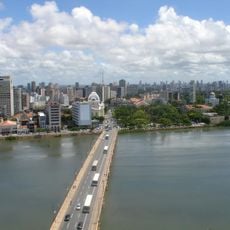
Advance reservations are necessary to tour this building, as access is restricted for administrative purposes. The palace sits centrally in Recife near where the Capibaribe and Beberibe rivers meet, making it accessible from downtown areas.
The building was renamed in 1859 in preparation for a high-level state visit, marking a turning point in its significance. During 1920s renovations, an advanced lighting system was installed throughout, reflecting how the palace adapted to modern conveniences of that era.
The community of curious travelers
AroundUs brings together thousands of curated places, local tips, and hidden gems, enriched daily by 93,775 contributors worldwide.