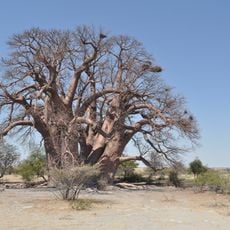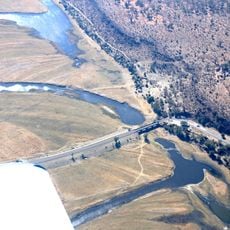
Lake Ngami, Endorheic lake in northern Botswana.
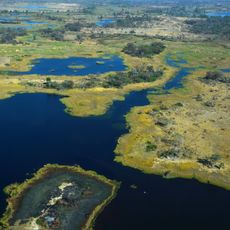
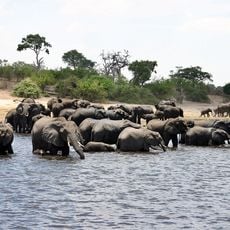
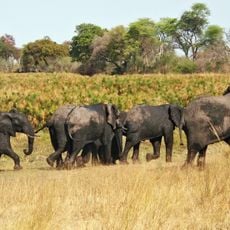
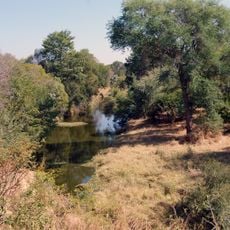
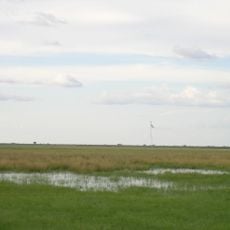
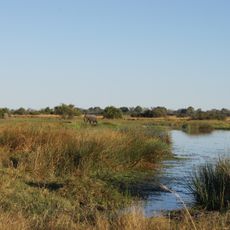
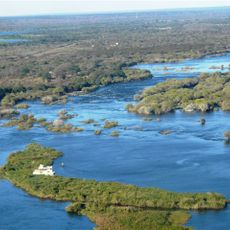
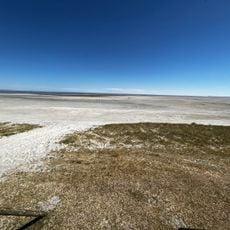
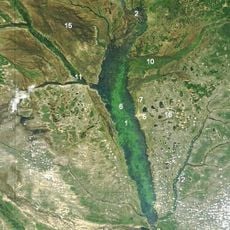
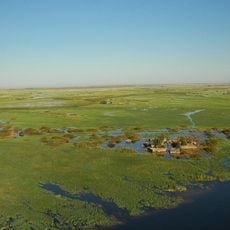
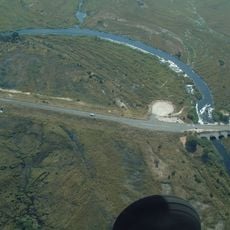
Lake Ngami is a large body of water in northwestern Botswana that receives water from the Okavango River through seasonal flooding. The basin lies at the edge of one of the region's largest wetland areas and changes size significantly depending on water levels.
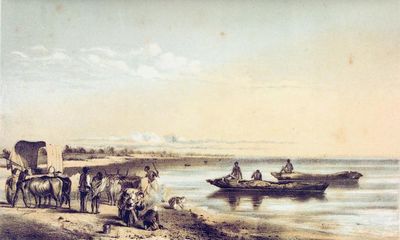
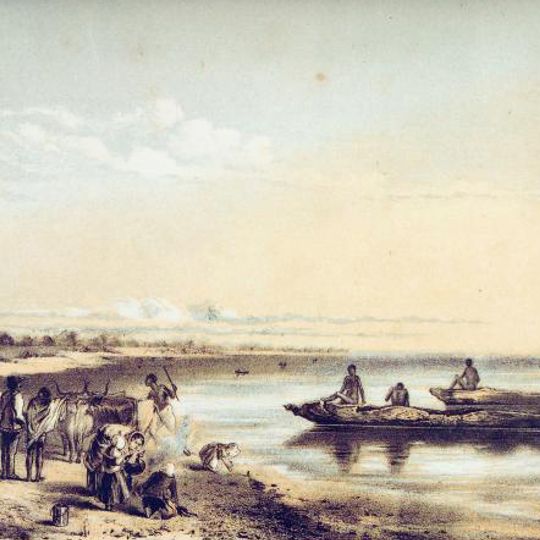
The lake was first documented in 1849 by explorer David Livingstone, who recorded its extent at that time. Since then, the water body has changed significantly due to natural environmental shifts and variations in water supply.
The lake has long been important to local communities who depend on its waters for fishing and daily sustenance. People gather here for fishing activities and community life connected to the shoreline.
The best time to visit is during the dry season when roads are more passable. Water levels change seasonally, so local guides can provide current information about access and conditions.
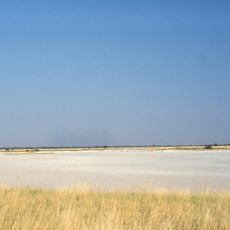
During dry periods, fish like barbels survive by burrowing into mud and waiting for water to return. This survival strategy shows how life has adapted to the lake's harsh conditions.
The community of curious travelers
AroundUs brings together thousands of curated places, local tips, and hidden gems, enriched daily by 60,000 contributors worldwide.