Lilongwe, Capital city in central Malawi
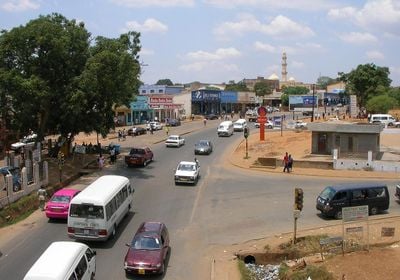
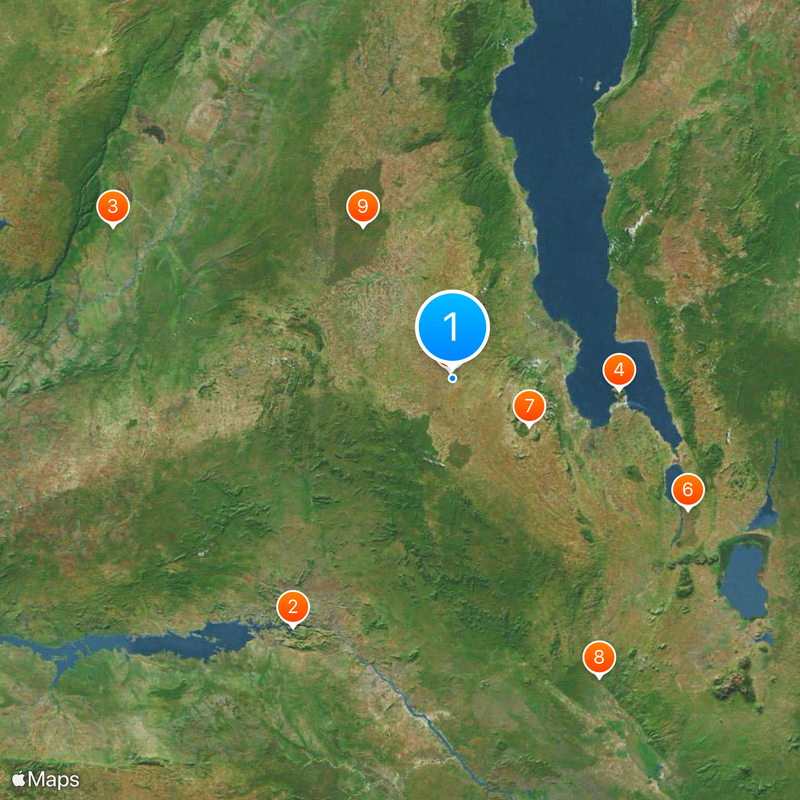
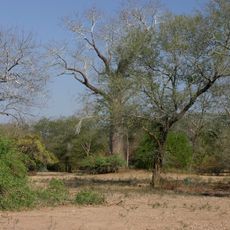
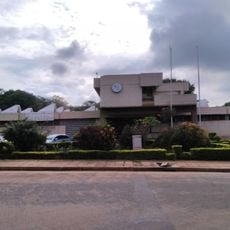
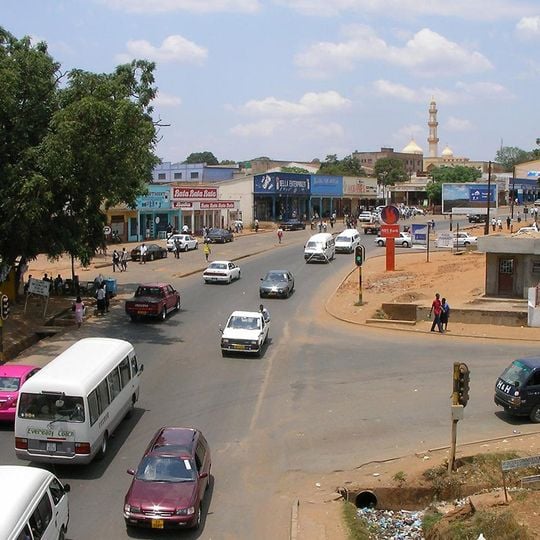
Lilongwe divides into two areas: the New City holds government buildings, embassies and wide streets, while the Old City gathers markets, bus stations and smaller shops. The two parts lie several kilometers apart and are linked by main roads that pass through residential neighborhoods and green spaces.
The town emerged in the early 20th century as an administrative post under British colonial rule. In the mid-seventies it became the capital, replacing the former seat of government in the south of the country.
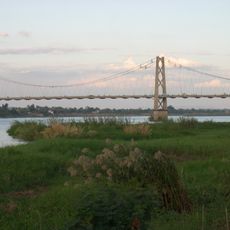
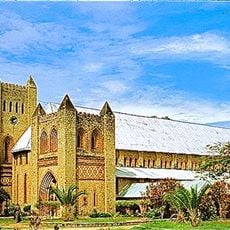
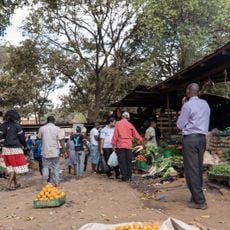
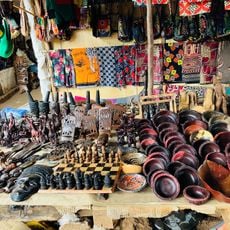
The name comes from the river that runs through the area, whose banks were once lined with Chewa villages. Churches from different denominations shape the cityscape today, while local markets hum with Chichewa and English spoken side by side.
The international airport sits about half an hour north by road and offers connections within the country and to other African nations. Minibuses run on fixed routes within the city, though they circulate less frequently in the New City than in the Old City.
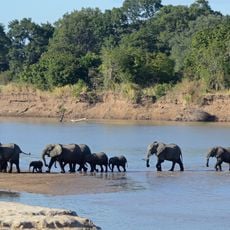
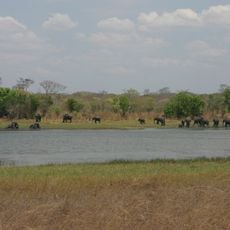
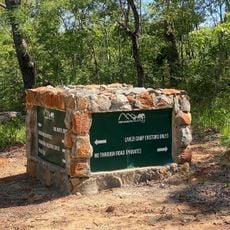
A nature reserve between the two districts takes in injured and orphaned wild animals and prepares them for release when possible. Visitors can observe animals rescued from illegal trade or accidents and learn about local conservation programs.
The community of curious travelers
AroundUs brings together thousands of curated places, local tips, and hidden gems, enriched daily by 60,000 contributors worldwide.