Kelut, Active volcano in East Java, Indonesia
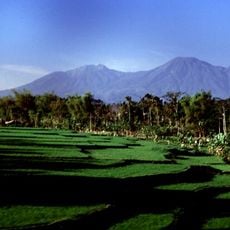
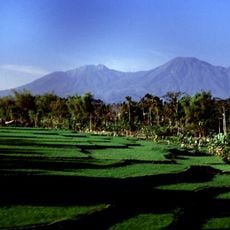
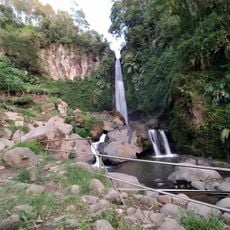
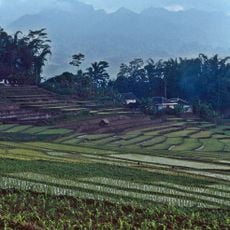
Kelut rises at the border of three regencies in East Java and forms a landscape built from andesite rock. The volcano creates a terrain with several peaks and a crater lake that changes over time.
Kelud has erupted more than thirty times since 1000 AD. Its 1586 eruption killed over 10,000 people, and the 1919 lahar flows killed about 5,000. After 1919, a large-scale lahar diversion system was built in 1926, and the Ampera Tunnels followed the 1966 eruption to lower the crater lake. The 1334 eruption is recorded in the Nagarakretagama, composed by Mpu Prapanca in 1365.
The 1365 Nagarakretagama, by Mpu Prapanca, links Kelud's 1334 eruption to the birth of Majapahit king Hayam Wuruk, read as a divine sign. Javanese communities have long treated eruptions as omens from the gods, and the volcano was formerly called Gunung Kampud.
Monitoring equipment tracks volcanic activity and helps authorities issue warnings when conditions change. Evacuation routes are established for nearby communities and activated when needed.
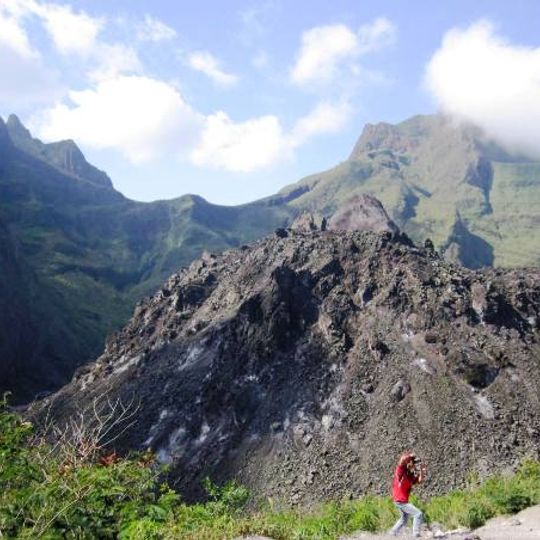
A phreatic eruption in 2007 built a lava dome structure that blocked the crater lake and turned it into a small water pool. This formation remained until 2014 when another eruption reshaped the landscape again.
The community of curious travelers
AroundUs brings together thousands of curated places, local tips, and hidden gems, enriched daily by 92,783 contributors worldwide.