Agung Rai Museum of Art, Art museum in Ubud, Indonesia
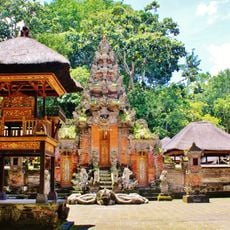
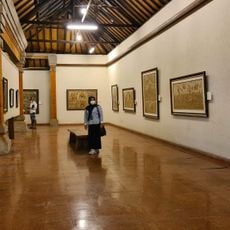
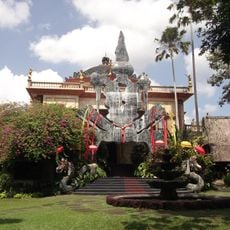
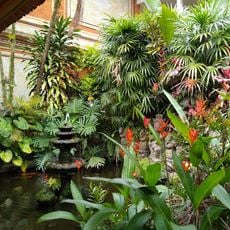
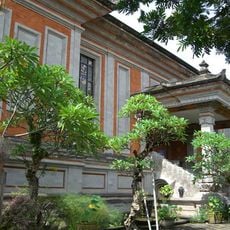
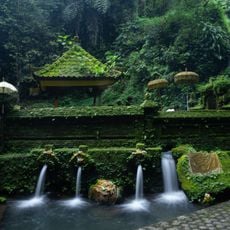
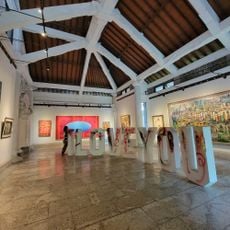
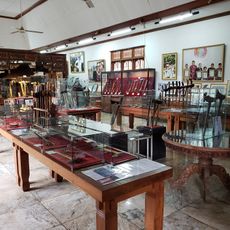
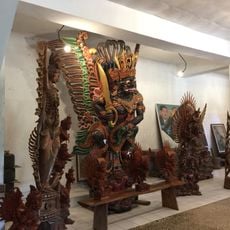
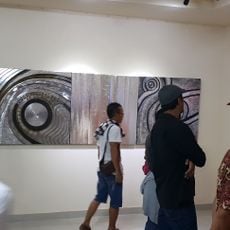
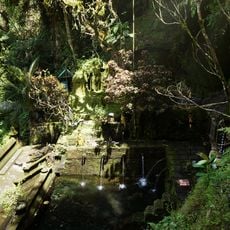
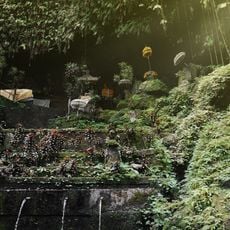
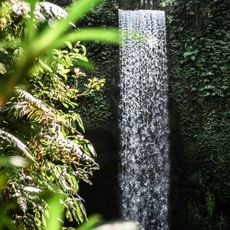
The Agung Rai Museum of Art in Ubud occupies two main buildings in traditional Balinese style: Bale Daja, covering 3,300 square metres, and Bale Dauh, of 1,200 square metres, set among trees, fountains, ponds and rice-field landscape. Its galleries hold classical Kamasan paintings on bark, works by Batuan artists of the 1930s and 1940s, and paintings by Raden Saleh and Walter Spies.
The museum was founded by Anak Agung Gde Rai, known as Agung Rai, a Balinese cultural figure who had worked as a street vendor before becoming an art dealer. Indonesia's Minister of Education and Culture, Wardiman Djojonegoro, officially opened it on 9 June 1996.
The museum's name comes from Anak Agung Gde Rai, known as Agung Rai, a former street vendor who became a cultural figure and founded the collection. Its galleries hold works by I Gusti Nyoman Lempad, Ida Bagus Made, Anak Agung Gede Sobrat and I Gusti Made Deblog, alongside German painter Walter Spies, whose pieces have a dedicated place for his role in developing Balinese art.
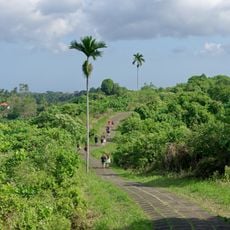
The museum lies on Jalan Raya Pengosekan in Ubud, with two main buildings, Bale Daja (3,300 square metres) and Bale Dauh (1,200 square metres), set among trees, fountains, ponds and rice-field landscape. Visitors can watch artists at work in the cultural workshop and read in the library. Dance, music and theatre performances and temporary exhibitions run alongside the permanent displays.
The museum's name honours Anak Agung Gde Rai, known as Agung Rai, who once worked as a street peddler of paintings before dedicating himself to Balinese art. He founded the museum, which opened on 9 June 1996, inaugurated by education and culture minister Wardiman Djojonegoro.
The community of curious travelers
AroundUs brings together thousands of curated places, local tips, and hidden gems, enriched daily by 93,354 contributors worldwide.