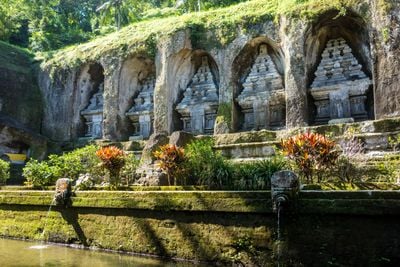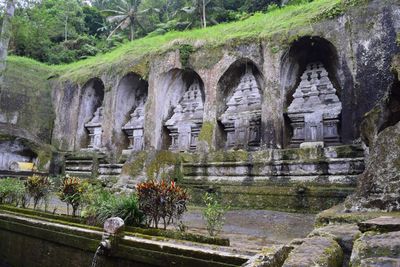
Gunung Kawi, 11th-century temple complex in Tampaksiring, Indonesia
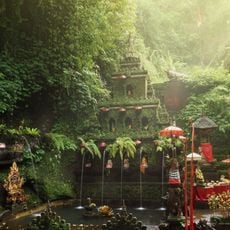
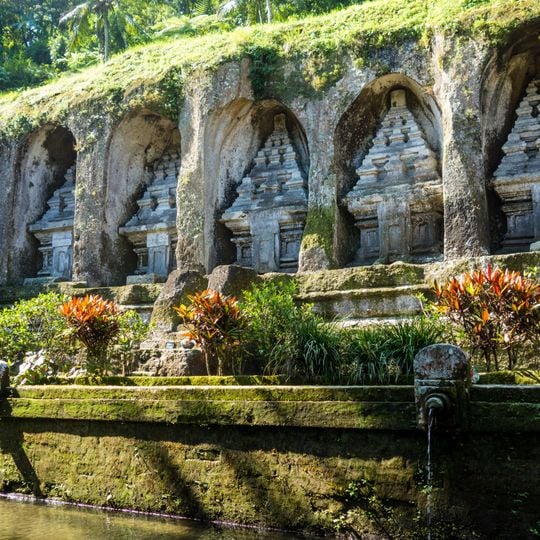
Gunung Kawi is an 11th-century temple complex in Tampaksiring, Indonesia, featuring rock-cut shrines along both banks of the Pakerisan river. The ten monuments stand within rectangular niches carved roughly 7 meters (23 feet) high into the cliffsides.
King Anak Wungsu commissioned the site around 1077 as memorial monuments for members of the royal family. Five shrines on the eastern side honor his father King Udayana, his mother Queen Mahendradatta, and his brothers.
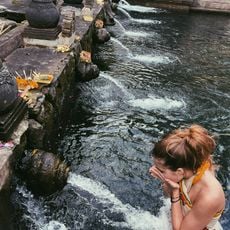
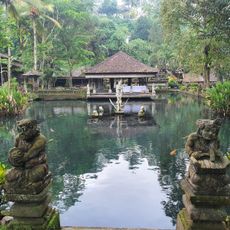
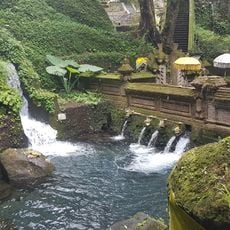
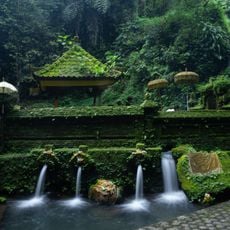
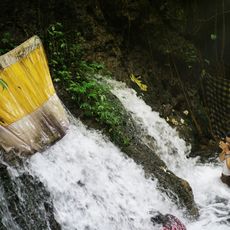
The name translates from Balinese as "Mountain of Poetry" and reflects how locals describe places where stone meets flowing water in harmony. Pilgrims still leave offerings at the base of each carved monument during monthly ceremonies.
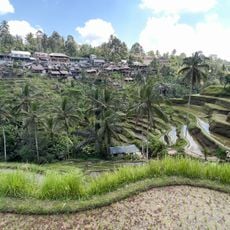
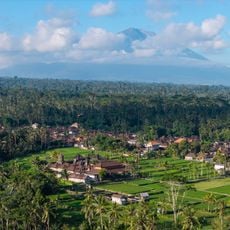
Visitors descend more than 300 steps through terraced rice fields and past smaller shrines to reach the main complex at the riverbank. Traditional sarongs are available at the entrance, and the full walk typically takes around two hours.
An inscription on the northern shrine reads Haji Lumahing Jalu, a phrase that suggests the ruler personally oversaw the carving process. The western shrines likely honor lesser consorts, as their niches are slightly smaller than those across the river.
The community of curious travelers
AroundUs brings together thousands of curated places, local tips, and hidden gems, enriched daily by 92,608 contributors worldwide.