South Island, Southern main island in New Zealand
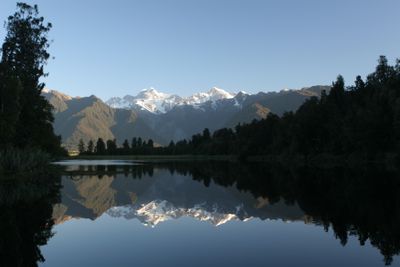
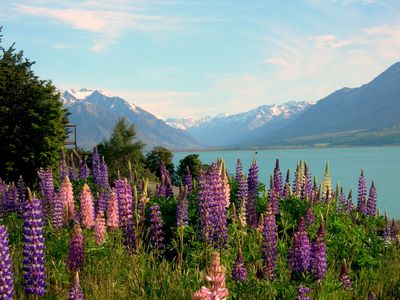
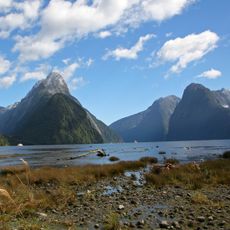
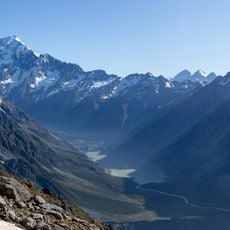
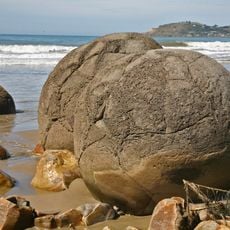
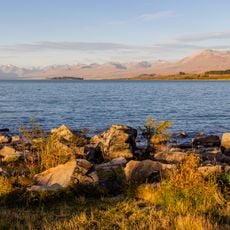
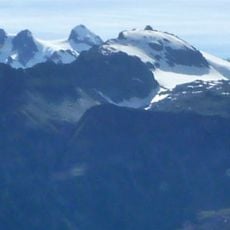
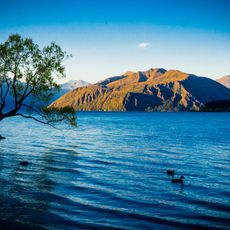
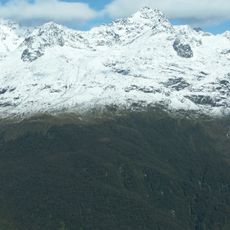
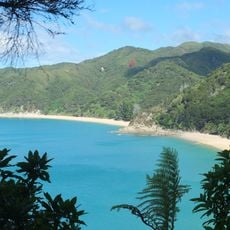
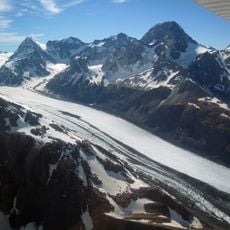
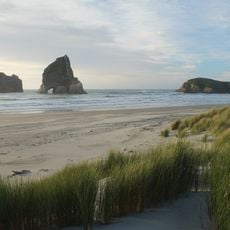
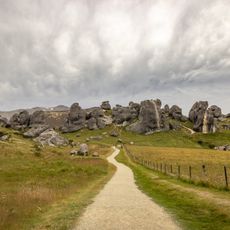
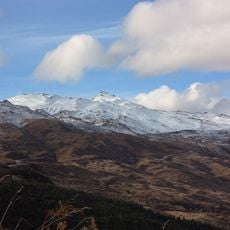
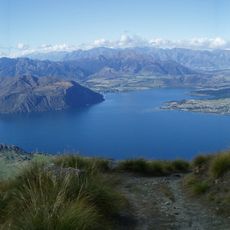
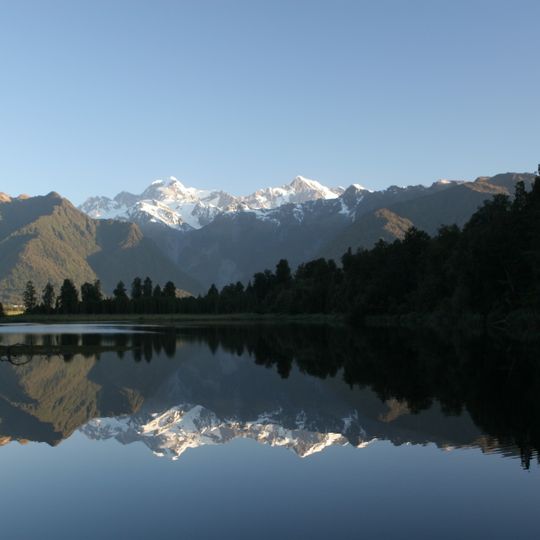
South Island is the larger of New Zealand's two main islands, extending roughly 1200 kilometers from Cook Strait in the north to Fiordland in the south. The island contains the Southern Alps running along its western side, numerous glacial lakes, and a varied coastline with bays and peninsulas.
Māori tribes settled the island several centuries before European explorers arrived in the 18th century. The Otago gold rush beginning in 1861 accelerated European settlement and led to the founding of many inland and coastal towns.
The name reflects its position below the North Island, while Māori call it Te Waipounamu, meaning the waters of greenstone. Visitors notice how small coastal towns preserve fishing and farming traditions that shaped settlement patterns across generations.
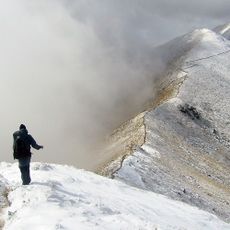
The large distances between cities require careful planning, as drives between locations often take several hours. Weather can shift rapidly, especially in mountain regions, where visitors should prepare for changing conditions.
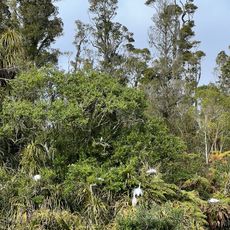
The southern end sits closer to Antarctica than to Australia's northern coast, creating a noticeably cooler climate than northern regions. Some remote valleys shelter bird species found nowhere else on Earth, descendants of prehistoric fauna.
The community of curious travelers
AroundUs brings together thousands of curated places, local tips, and hidden gems, enriched daily by 60,000 contributors worldwide.