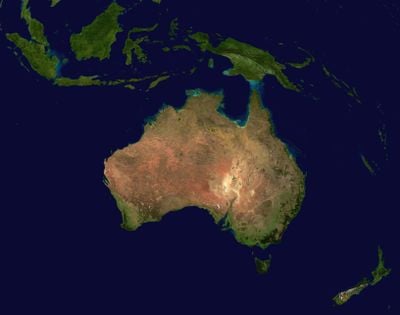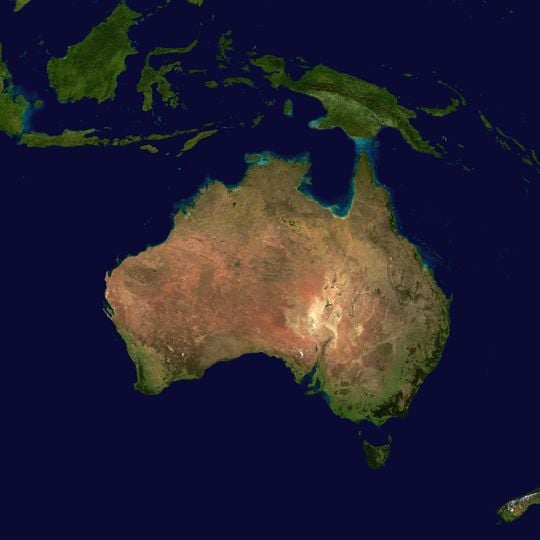
Australian continent, Continental landmass in Southern Hemisphere, Australia.
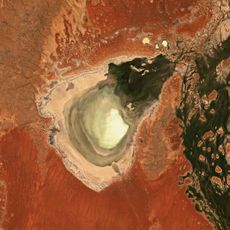
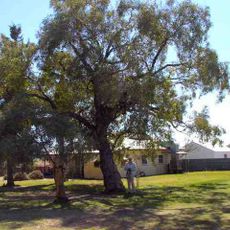
The Australian continent includes the mainland, Tasmania, and surrounding islands, stretching between the Pacific and Indian oceans across a vast territory. The landscape ranges from tropical rainforests in the north through expansive deserts in the center to temperate coastal areas in the south and east.
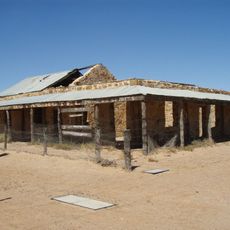
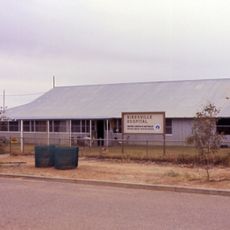
Aboriginal peoples lived on the continent for more than 50,000 years, developing distinct societies adapted to different landscapes and climates. European settlement began in the late 18th century, fundamentally changing the social and natural structures across the landmass.
Indigenous communities continue to maintain their connection to the land through ceremonies, artwork, and oral traditions that travelers can experience across many regions. This living cultural practice appears in galleries, guided walks, and local events that offer insight into traditions stretching back thousands of years.
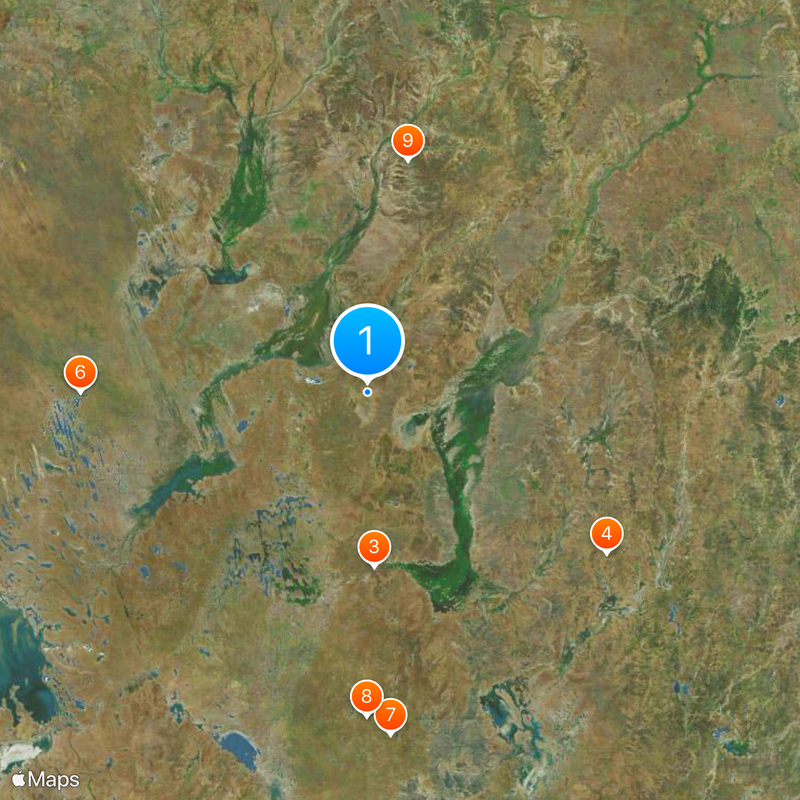
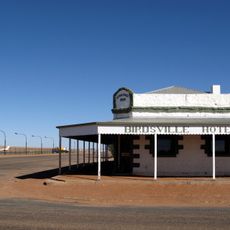
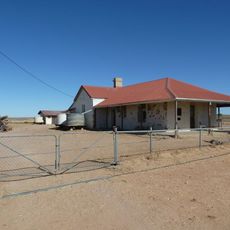
Most of the population lives along the coast, particularly in the east and southeast, while the interior remains thinly settled. Travelers should account for the enormous distances between locations and prepare for different climate conditions from one region to another.
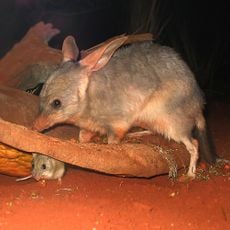
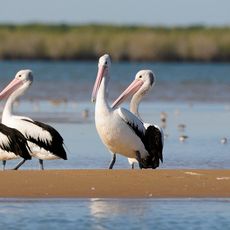
The landmass supports numerous animal species found nowhere else, including egg-laying mammals and marsupials that evolved in isolation over millions of years. The plant life also shows remarkable adaptations to drought, fire, and nutrient-poor soils rarely seen elsewhere.
The community of curious travelers
AroundUs brings together thousands of curated places, local tips, and hidden gems, enriched daily by 92,751 contributors worldwide.