Ku-ring-gai Chase National Park, National park in northern Sydney, Australia
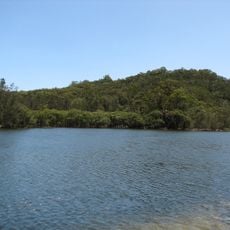
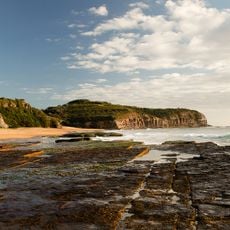
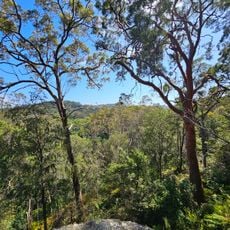
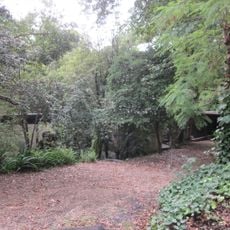
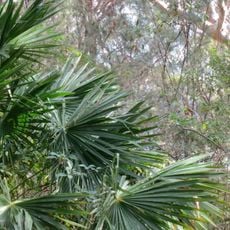
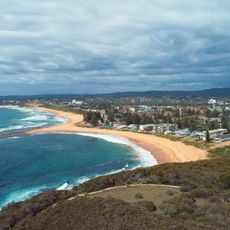
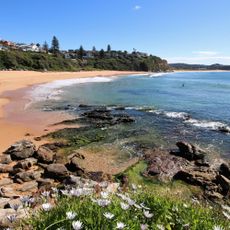
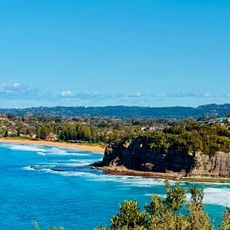
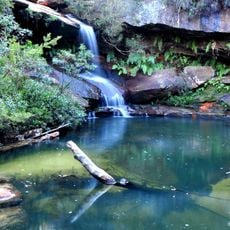
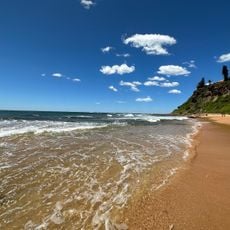
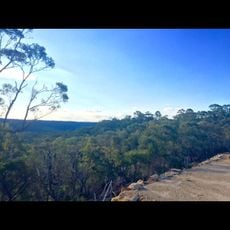
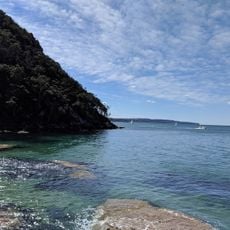
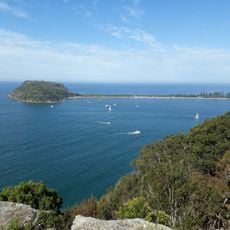
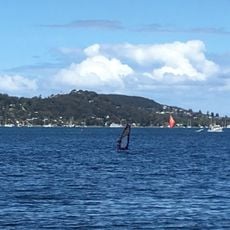
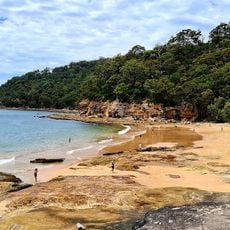
Ku-ring-gai Chase is a national park in northern Sydney with sandstone cliffs, eucalyptus forests, mangrove swamps and sheltered coves along the Hawkesbury River and Pittwater waterways. The landscape extends across wide areas with deep valleys, rocky coastal sections and quiet waterways that sit between forested hills.
The area became a national park in 1894, making it the third in Australia after Berowra Waters and Royal. The protection was declared at a time when access to Sydney still relied mostly on boat travel through the waterways.
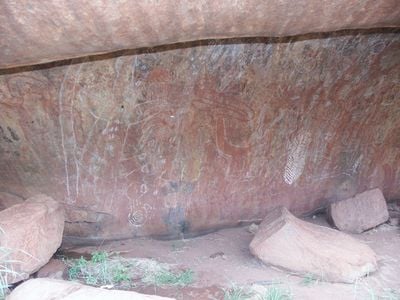
The name comes from the Guringai people, who lived here for thousands of years and left behind more than 800 sites with rock engravings. Visitors can see images of animals, humans and geometric patterns on red sandstone walls that remain clearly visible today.
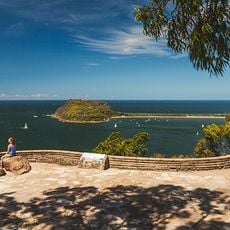
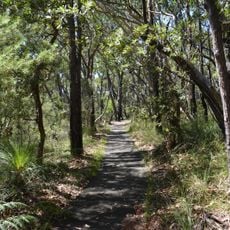
Several walking tracks lead through the grounds, some with lookout points over the bay, others to rock engravings or beaches. Those arriving by boat will find several ramps and mooring spots along the coast that allow access to quieter zones.
The park holds more than 800 recorded Aboriginal sites, including rock engravings, cave drawings, paintings, stencils, axe grinding grooves and middens left by the Guringai people. Engravings were cut into flat sandstone outcrops, and tessellated pavements with chequered patterns form naturally along fault lines in the stone.
The community of curious travelers
AroundUs brings together thousands of curated places, local tips, and hidden gems, enriched daily by 94,366 contributors worldwide.